tinyBuild • 2018 • PlayStation 4, PC (Microsoft Windows), Mac, Xbox One, Android, iOS, Nintendo Switch, Linux
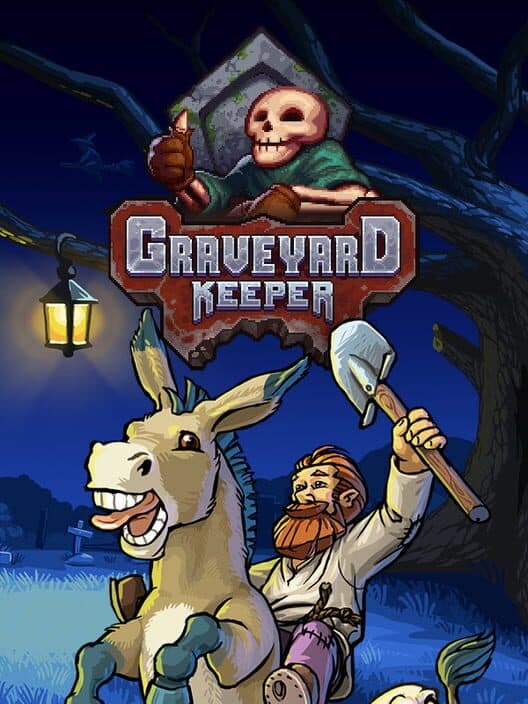
Graveyard Keeper is worth it if you enjoy turning messy systems into smooth routines and don't mind a little friction getting there. Its big selling point is the strange mix of cozy management and morbid comedy. Few games make chopping wood, preparing sermons, and handling corpses feel this oddly charming. The reward is steady and satisfying: your graveyard improves, your church opens up, your workshop becomes more capable, and what starts as confusion slowly becomes a working routine. The catch is that the game can be stubborn. It explains itself poorly, sends you across the map often, and sometimes makes a simple goal feel three steps farther away than expected. If you love optimization, you'll probably forgive that and get hooked by the one-more-task loop. If you want a smooth, intuitive life sim that always tells you what to do next, waiting for a sale is smarter. Skip it if weak tutorials and grindy backtracking usually kill your interest fast. Buy at full price if the setting and systems already sound like your kind of weird.

tinyBuild • 2018 • PlayStation 4, PC (Microsoft Windows), Mac, Xbox One, Android, iOS, Nintendo Switch, Linux
Graveyard Keeper is worth it if you enjoy turning messy systems into smooth routines and don't mind a little friction getting there. Its big selling point is the strange mix of cozy management and morbid comedy. Few games make chopping wood, preparing sermons, and handling corpses feel this oddly charming. The reward is steady and satisfying: your graveyard improves, your church opens up, your workshop becomes more capable, and what starts as confusion slowly becomes a working routine. The catch is that the game can be stubborn. It explains itself poorly, sends you across the map often, and sometimes makes a simple goal feel three steps farther away than expected. If you love optimization, you'll probably forgive that and get hooked by the one-more-task loop. If you want a smooth, intuitive life sim that always tells you what to do next, waiting for a sale is smarter. Skip it if weak tutorials and grindy backtracking usually kill your interest fast. Buy at full price if the setting and systems already sound like your kind of weird.
Players often say the game becomes hard to put down once workshop, church, and graveyard upgrades start feeding each other and every task improves something.
Many players struggle with vague quest steps, confusing tech colors, and systems the game barely explains, especially in the opening hours when momentum matters most.
Some players like planning their week around specific visitors because it gives sessions structure. Others feel it stretches progress and adds delay to already long errands.
The talking skulls, cynical writing, and absurd body-business premise help the repeated gathering and crafting feel distinct instead of like another cozy checklist.
Hauling materials, backtracking across the map, and juggling limited inventory space are common complaints, even from players who otherwise enjoy the management loop.
Players often say the game becomes hard to put down once workshop, church, and graveyard upgrades start feeding each other and every task improves something.
The talking skulls, cynical writing, and absurd body-business premise help the repeated gathering and crafting feel distinct instead of like another cozy checklist.
Many players struggle with vague quest steps, confusing tech colors, and systems the game barely explains, especially in the opening hours when momentum matters most.
Hauling materials, backtracking across the map, and juggling limited inventory space are common complaints, even from players who otherwise enjoy the management loop.
Some players like planning their week around specific visitors because it gives sessions structure. Others feel it stretches progress and adds delay to already long errands.
Best in regular weeknight chunks. It's fully pauseable and solo, but sleep-based saving and fuzzy return sessions make long breaks awkward.
Expect this to work best in steady chunks over several weeks. A typical session is easy to stretch into 60 to 90 minutes because one finished task usually reveals two more. The game is fully solo and fully pauseable, so real-life interruptions are fine in the moment. The bigger scheduling catch is saving. Since progress is mainly locked in by sleeping, cleanly ending a session can take a few extra minutes while you walk home, tidy your inventory, and get to bed. The broader arc is also substantial. To reach the ending and feel like you've really seen what the base game offers, most players will need a good number of evenings, not just a weekend. Coming back after a long break can be awkward too, because half-finished crafting chains and weekday NPC schedules are easy to forget. In return, the game gives strong long-form satisfaction. Even short nights usually produce a visible upgrade, new unlock, or meaningful quest step.
Mostly calm hands, busy head. You'll trace recipe chains, remember weekday visitors, and choose which bottleneck deserves tonight's limited energy.
This game asks for a busy head more than fast hands. Most of your attention goes into tracing recipe chains, remembering which villager appears on which weekday, and deciding whether today's energy should go into graves, church upgrades, or one more missing quest item. The controls themselves are easy, and there's very little pressure to react in a split second. You can pause anytime, and brief distractions rarely ruin anything. The catch is that divided attention often costs clarity. If you half-watch TV while playing, you'll probably forget why you needed that iron part or which tech color blocked your next unlock. In return for that steady planning load, the game delivers a satisfying sense of order. Sessions feel like turning a messy workshop notebook into a working system. It's a good fit when you want something thoughtful and methodical, but not when you want to fully switch your brain off.
Easy to control, slower to truly understand. The hard part is learning hidden connections, unclear requirements, and what the game forgot to explain.
Getting started is easy. Understanding the game well is the real hurdle. In your first hour, you'll grasp chopping wood, burying bodies, and placing simple stations. What takes longer is learning how all the hidden connections fit together: tech point colors, corpse quality, church progression, multi-step item chains, and quest lines tied to specific weekdays. The game often explains just enough to get you moving, then leaves you to figure out the rest through trial and error. That's why many players bounce off early or keep a guide nearby. The good news is that it rarely punishes experimentation harshly. You can recover from most mistakes with more materials and more time, rather than restarting huge sections. What it asks from you is patience and a willingness to learn by untangling systems. What it gives back is the very specific pleasure of going from 'Why is this blocked?' to 'Okay, now the whole machine makes sense.'
Your pulse stays low, but your patience may not. The game trades danger for slow-burn friction, dark jokes, and satisfying little upgrades.
Graveyard Keeper is low on panic and fairly low on punishment. It almost never feels like a survival game, horror game, or precision action game, even though you're handling corpses and joking about grim medieval business. Most of the emotional weight comes from dark humor and mild frustration, not fear. A bad choice usually costs you time, stamina, or a slower route to progress, not a major loss. That makes the moment-to-moment experience easy on the nerves after a long day. The main thing that can wear you down is friction. You may walk across the map, realize an NPC only appears tomorrow, or discover that a simple upgrade actually needs three missing materials. That's annoying stress, not heart-pounding stress. In return, the game gives a cozy kind of momentum: small upgrades, a better workshop, a nicer graveyard, and the feeling that your weird little operation is finally running properly. Play it when you want calm progress with a side of gallows humor, not when you're already short on patience.
Games with a similar rhythm and feel, even if they look different