Powered by IGDB•Privacy•Terms

© 2026 Slated.gg

Slated.gg
Popular GamesAbout

Grand Theft Auto: Vice City

Rockstar Games • 2002 • Xbox, PC (Microsoft Windows), Mac, PlayStation 2
Satisfying to complete

Is Grand Theft Auto: Vice City Worth It?

Grand Theft Auto: Vice City is worth playing today if you enjoy open worlds, crime stories, and strong vibes more than cutting-edge mechanics. The biggest draw is the mood: neon-soaked streets, one of the best licensed soundtracks in games, and a clean rise-from-nobody-to-boss story arc. In exchange, you have to accept dated controls, clunky shooting, and an old-fashioned save system that can waste time when you fail a mission. What you get back is a flexible sandbox you can dip into for an hour at a time, mixing straightforward missions with aimless cruising and spontaneous chaos. Busy adults who grew up with PS2-era games or who love ’80s aesthetics will get the most from it, especially now that it’s usually inexpensive. If you demand modern polish, deep character builds, or branching choices, you may want to skip it or wait until you’re specifically craving a retro throwback. For everyone else, it’s easy to recommend on sale and still a solid buy at full price if nostalgia is strong.

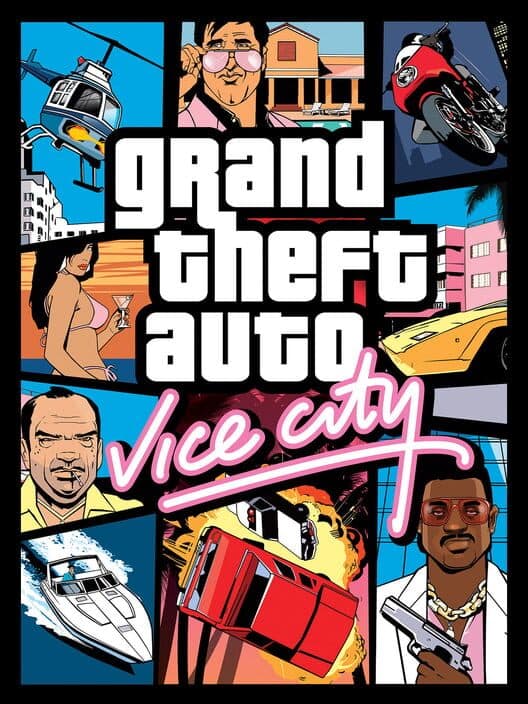
Grand Theft Auto: Vice City cover art

Grand Theft Auto: Vice City

Rockstar Games • 2002 • Xbox, PC (Microsoft Windows), Mac, PlayStation 2

Satisfying to complete

Is Grand Theft Auto: Vice City Worth It?

Grand Theft Auto: Vice City is worth playing today if you enjoy open worlds, crime stories, and strong vibes more than cutting-edge mechanics. The biggest draw is the mood: neon-soaked streets, one of the best licensed soundtracks in games, and a clean rise-from-nobody-to-boss story arc. In exchange, you have to accept dated controls, clunky shooting, and an old-fashioned save system that can waste time when you fail a mission. What you get back is a flexible sandbox you can dip into for an hour at a time, mixing straightforward missions with aimless cruising and spontaneous chaos. Busy adults who grew up with PS2-era games or who love ’80s aesthetics will get the most from it, especially now that it’s usually inexpensive. If you demand modern polish, deep character builds, or branching choices, you may want to skip it or wait until you’re specifically craving a retro throwback. For everyone else, it’s easy to recommend on sale and still a solid buy at full price if nostalgia is strong.

What is Grand Theft Auto: Vice City like?

What does Grand Theft Auto: Vice City demand from you?

Commitment

MODERATE

Commitment

A finite 20–30 hour crime story you can chip away at in short missions, though old-school saving needs slightly longer sessions.

MODERATE

Vice City asks for a moderate, finite time investment that fits reasonably well around adult life. Seeing the main story through and sampling a healthy slice of side content usually takes about 20–30 hours. You’re looking at a few weeks of play if you hop in for a couple of evenings each week, not a multi-month lifestyle commitment. Individual missions are short enough that you can often clear one or two in a 45–90 minute session, then drive back to a safehouse to save. The main friction is that older save design: you can’t save mid-mission, and failing near the end means replaying the whole thing. That makes very short “ten-minute” sessions less effective for story progress. On the plus side, the game runs fully offline, pauses cleanly, and has no daily quests or login streaks pushing you to play more than you want. If you can regularly carve out hour-long blocks, you can comfortably experience the full arc without it turning into a second job.

Tips

  • Try to end each session at a safehouse after finishing a mission so you rarely lose more than 10–15 minutes of progress.
  • On nights with only 30 minutes free, focus on nearby side jobs or exploration instead of starting longer, multi-stage story missions.
  • Keep a short note of which contact you were working for last; it makes jumping back in after a week away much easier.

Focus

MODERATE

Focus

Mostly real-time driving and shooting that keeps you engaged, with light planning between missions rather than deep, pause-and-think strategy.

MODERATE

In Vice City, your attention is split between the road, your radar, and straightforward mission goals. Most of the thinking happens on the fly: weaving through traffic, watching your wanted level, lining up auto‑aim shots, and keeping an eye on health and armor. Between missions you make small plans—who to visit next, whether to grab body armor, which safehouse to save at—but you’re not drawing flowcharts or min-maxing builds. The systems are simple enough that once you learn the city layout, much of the basic driving becomes pleasantly semi-automatic, especially during relaxed cruising. That said, any serious chase or shootout pulls your eyes back to the screen quickly; this isn’t something to play while half-watching a show. For a tired adult, it’s a nice middle ground: engaging enough that you won’t get bored, but not so mentally demanding that you feel drained afterward. Challenging missions do ask for focused attention, yet most of the time the game feels like energetic, manageable multitasking.

Tips

  • Do story missions when you’re alert; save free-roam cruising and side jobs for nights when your brain feels a bit fried.
  • Use the pause-map to sketch routes before tough missions so you’re not constantly checking the minimap while driving.
  • Lower radio volume slightly during tricky missions; cutting audio clutter can make enemies and police sirens easier to track.

Mastery

LOW

Mastery

Easy to pick up in an evening, with noticeable rewards for getting smoother at driving, shooting, and using the city layout to your advantage.

LOW

Learning Vice City is quick. Within the first couple of hours, most players feel comfortable driving, using auto‑aim, and reading the minimap, even if the early-2000s controls feel a bit stiff. There aren’t deep skill trees or complex combo systems to memorize, so basic competence arrives fast. After that, improvement is more about refinement than discovery: cleaner handbrake turns, smarter use of alleys and side streets, better awareness of where to find armor and weapons. These gains matter. Missions that once felt annoying become smooth, and escaping high wanted levels starts to feel stylish rather than lucky. That said, the game never demands high mastery; persistence and a few retries can carry you through most of the story. For a busy adult, this is appealing: you see clear benefits from getting better without needing to practice like it’s a competitive game. If you enjoy feeling your skills sharpen in a low-pressure environment, Vice City offers a satisfying, informal path to improvement.

Tips

  • Practice tight turns and quick stops during relaxed free-roam so tricky driving sections in missions feel more natural later.
  • Replay a couple of early, easy missions after long breaks to rebuild comfort with the controls before tackling tougher late-game jobs.
  • Figure out which weapon types feel best to you and stick to a familiar small set instead of constantly swapping just because you can.

Intensity

MODERATE

Intensity

Lively action and police chases bring excitement and occasional frustration, but light consequences and a cartoonish tone keep things from feeling brutally punishing.

MODERATE

Vice City’s emotional tone sits in the middle: exciting and occasionally irritating, but rarely overwhelming. You’ll get into plenty of gunfights, timed runs, and frantic escapes from the police, and those moments can definitely spike your pulse. However, the game treats failure lightly—you lose some cash and maybe weapons, then simply respawn at a hospital or police station and try again. There’s no permanent character death, no ranking to protect, and no online teammates to disappoint. The exaggerated ’80s style, loud soundtrack, and satirical writing also take the edge off; it feels more like an R-rated cartoon than a grim crime story. Most of the “bad” stress comes from replaying long missions because of a late failure or wrestling with clunky controls, not from fearing heavy long-term losses. For busy adults, this lands as moderate-intensity action: lively enough to wake you up after work, but not so punishing that you’ll dread booting it up. It’s better for nights when you want some chaos, not when you’re craving something totally soothing.

Tips

  • If repeated failures raise your blood pressure, switch to low-stakes side jobs or relaxed cruising before retrying the tougher mission.
  • Avoid deliberately maxing your wanted level on busy nights; big police chases are fun but can quickly ramp up stress and frustration.
  • Tackle notoriously tricky missions early in a session, when your patience is freshest and you can comfortably afford a few retries.

Frequently Asked Questions

You Might Also Like

Games with a similar rhythm and feel, even if they look different
Grand Theft Auto IV game cover art
Satisfying to complete

Grand Theft Auto IV

Commitment
MODERATE
Focus
MODERATE
Mastery
LOW
Intensity
MODERATE
Grand Theft Auto III game cover art

Grand Theft Auto III

Commitment
MODERATE
Focus
MODERATE
Mastery
LOW
Intensity
MODERATE
Control game cover art
Satisfying to complete

Control

Commitment
LOW
Focus
MODERATE
Mastery
MODERATE
Intensity
MODERATE
Grand Theft Auto V game cover art

Grand Theft Auto V

Commitment
MODERATE
Focus
MODERATE
Mastery
LOW
Intensity
MODERATE
Star Wars Jedi: Survivor game cover art
Satisfying to complete

Star Wars Jedi: Survivor

Commitment
MODERATE
Focus
MODERATE
Mastery
MODERATE
Intensity
MODERATE
Tomb Raider game cover art

Tomb Raider

Commitment
LOW
Focus
MODERATE
Mastery
LOW
Intensity
MODERATE
← Back to Home