Take-Two Interactive • 2001 • Xbox, PlayStation 4, Android, PC (Microsoft Windows), iOS, Mac, PlayStation 2
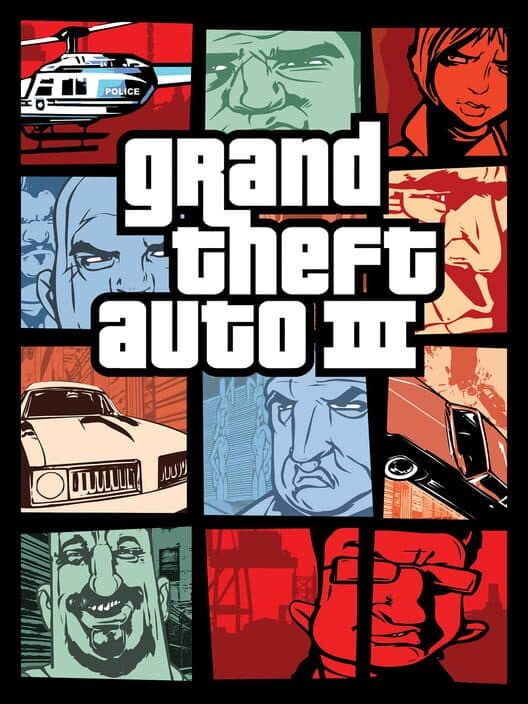
Open-world crime sandbox in Liberty City
Short missions fit 60–90 minute sessions
Story-light, focused on chaotic emergent action
Grand Theft Auto III is worth playing today if you enjoy open-world sandboxes and can tolerate early-2000s rough edges. It offers a still-compelling mix of short missions, freeform driving, and chaotic police chases in a city that feels alive despite its age. You’ll get the most value if you like making your own fun: testing cars, provoking cops, and discovering odd corners of Liberty City between story jobs. What it asks from you is patience with dated visuals, clunky aiming, and manual saving at safehouses. Some missions are notoriously spiky and expect you to replay them from the start after mistakes. In return, you get a strong sense of freedom, a great radio-fueled atmosphere, and plenty of memorable “I can’t believe that just happened” moments. If you’re looking for a modern-feeling game with a deep story and slick controls, you may want to skip it or grab it cheaply out of curiosity. But for adults who enjoy open-world chaos and gaming history, it’s still an entertaining, low-cost ride.

Take-Two Interactive • 2001 • Xbox, PlayStation 4, Android, PC (Microsoft Windows), iOS, Mac, PlayStation 2
Open-world crime sandbox in Liberty City
Short missions fit 60–90 minute sessions
Story-light, focused on chaotic emergent action
Grand Theft Auto III is worth playing today if you enjoy open-world sandboxes and can tolerate early-2000s rough edges. It offers a still-compelling mix of short missions, freeform driving, and chaotic police chases in a city that feels alive despite its age. You’ll get the most value if you like making your own fun: testing cars, provoking cops, and discovering odd corners of Liberty City between story jobs. What it asks from you is patience with dated visuals, clunky aiming, and manual saving at safehouses. Some missions are notoriously spiky and expect you to replay them from the start after mistakes. In return, you get a strong sense of freedom, a great radio-fueled atmosphere, and plenty of memorable “I can’t believe that just happened” moments. If you’re looking for a modern-feeling game with a deep story and slick controls, you may want to skip it or grab it cheaply out of curiosity. But for adults who enjoy open-world chaos and gaming history, it’s still an entertaining, low-cost ride.
When you have about an hour in the evening, enough focus to handle driving and shooting, and you want to blow off steam in a lawless city without heavy reading or dialogue.
On a weekend afternoon when you can chain a few missions together, then unwind by just cruising, listening to the radio, and poking into new corners of Liberty City.
When you’re in the mood to explore a piece of gaming history and don’t mind dated graphics or controls in exchange for a playful, freeform crime sandbox that you control at your own pace.
Best as a 15–30 hour project in 60–90 minute chunks, with some planning around manual saves and slightly clunky returns after time away.
For a busy adult, GTA III is a medium-commitment game. Seeing the main story and a sampling of side content typically takes 15–30 hours, so you’re looking at a couple of weeks if you play most nights. Individual missions are short, which works well with 60–90 minute sessions: you can knock out a few jobs, cause some chaos, and still wrap up at a safehouse to save. Where the game is less flexible is saving and returning. You must visit safehouses to save, and there are no mid-mission checkpoints in the classic versions. That makes five-minute “coffee break” sessions feel risky and often wasteful. Coming back after a long gap also takes a bit of work, since the game doesn’t recap objectives very clearly and the controls feel old-school. On the plus side, it’s entirely single-player, fully offline, and you can stop and pause whenever you like. If you can regularly carve out an hour at a time, it fits adult schedules reasonably well.
Driving, gunfights, and the minimap keep you paying attention, but relaxed cruising means you’re not locked into constant, exhausting concentration every second.
Moment to moment, this game asks for a moderate amount of attention. During missions you’re watching traffic, corners, enemy positions, and the minimap while listening for sirens and gunfire. That means you shouldn’t expect to half-watch TV or carry on deep conversations during tougher jobs, especially later in the story. At the same time, the underlying mechanics are fairly simple: drive, shoot, watch your wanted level, and follow the radar. There are no complex combo systems, skill rotations, or deep menus demanding mental bookkeeping. Outside missions, focus demands drop quite a bit. You can happily cruise the city, do a taxi run, or explore new routes while chatting with someone on the couch or listening to a podcast. For a busy adult, that mix is valuable: when you’ve got energy, you can tackle tricky missions; when you’re drained, you can still enjoy low-stakes driving and radio. Overall, it’s engaging without being mentally overwhelming.
Simple to pick up, with enough depth in driving, aiming, and route choice that improving your skills makes missions and chases feel noticeably smoother.
Learning to play GTA III is fairly quick. Within an hour or two you’ll understand how driving feels, how shooting works, what the wanted stars mean, and how to follow the minimap. The main friction for modern players is the age of the controls and camera, not system complexity. Once you adjust to that early-2000s feel, you’ll be able to handle most early and mid-game missions without deep study or practice. Where mastery pays off is in subtle ways. You’ll learn which cars are worth stealing, how to take corners without wiping out, where to pick safe routes through gang turf, and when to bail on a damaged vehicle. Familiarity with the city layout also trims wasted time and makes high-wanted-level escapes more thrilling than stressful. The game doesn’t shower you with medals or ranks for this, but you’ll feel the difference in reduced frustration and more stylish, confident play. Skill matters, yet it doesn’t demand a long-term grind.
Stress spikes during police chases and tough missions, but long, aimless cruises and low narrative stakes keep overall tension squarely in the middle.
Emotionally, GTA III sits in a moderate band. When things heat up—a mission timer is ticking, your car is on fire, and sirens are blaring—your heart rate will climb. The game punishes failure with lost weapons and mission restarts, which can be frustrating after a long drive or tricky gunfight. There are also a few notoriously unforgiving missions that can raise your blood pressure if you’re short on patience. On the other hand, there’s no horror, no social embarrassment, and no need to coordinate with strangers. The tone is cartoonishly dark rather than emotionally heavy. Many sessions will include long stretches of relaxed driving, listening to the radio, and low-stress side jobs. For a time-crunched adult, that means you can choose your own stress level: go pick a fight with the cops when you want adrenaline, or just cruise and explore when you’d rather decompress. It’s not a pure chill-out game, but it’s far from the most punishing or nerve-wracking experience.
Games with a similar rhythm and feel, even if they look different