Take-Two Interactive • 1999 • PC (Microsoft Windows), Dreamcast
Top‑down open‑world crime sandbox
Short missions, ideal for hour‑long bursts
Moderate challenge, dated but still thrilling
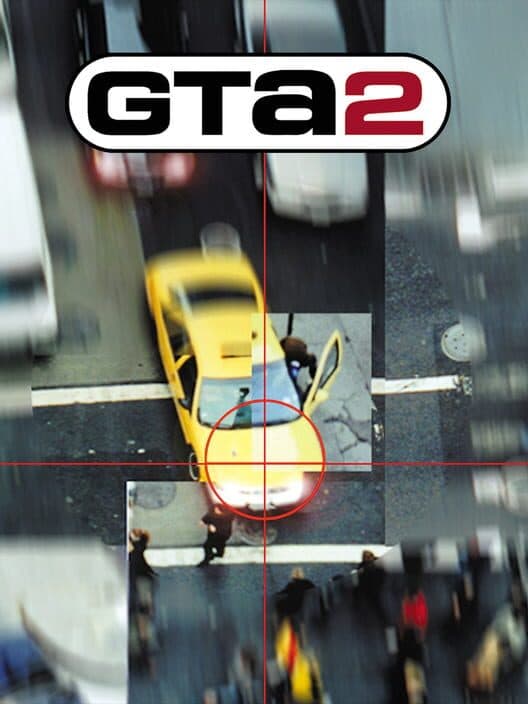
Grand Theft Auto 2 is worth it today mainly if you enjoy retro action or are curious about the roots of the series. It delivers a fast, chaotic sandbox with short missions, frequent rewards, and plenty of “I can’t believe that just happened” car‑crash moments. If you grew up on late‑90s PC or PlayStation games, the look and feel will probably hit a nostalgic sweet spot. You do have to accept some rough edges. The top‑down camera and floaty controls feel dated, the story is paper‑thin, and the save system can be frustrating when you lose 10–20 minutes of progress. It’s also very much about crime and running over pedestrians, so it’s not ideal for playing around kids. Buy at full price only if it’s already cheap on your platform and you know you like older games. Otherwise, it’s a great sale or bundle pickup: a fun, compact side game rather than a main, months‑long obsession.

Take-Two Interactive • 1999 • PC (Microsoft Windows), Dreamcast
Top‑down open‑world crime sandbox
Short missions, ideal for hour‑long bursts
Moderate challenge, dated but still thrilling
Grand Theft Auto 2 is worth it today mainly if you enjoy retro action or are curious about the roots of the series. It delivers a fast, chaotic sandbox with short missions, frequent rewards, and plenty of “I can’t believe that just happened” car‑crash moments. If you grew up on late‑90s PC or PlayStation games, the look and feel will probably hit a nostalgic sweet spot. You do have to accept some rough edges. The top‑down camera and floaty controls feel dated, the story is paper‑thin, and the save system can be frustrating when you lose 10–20 minutes of progress. It’s also very much about crime and running over pedestrians, so it’s not ideal for playing around kids. Buy at full price only if it’s already cheap on your platform and you know you like older games. Otherwise, it’s a great sale or bundle pickup: a fun, compact side game rather than a main, months‑long obsession.
When you have about an hour in the evening, want loud, low‑commitment chaos, and don’t mind replaying the odd failed mission before banking progress at a church.
On a weekend afternoon where you can spare 90 minutes to push through several missions, raise some mayhem, and comfortably reach a save point without rushing.
As a break from a heavy, story‑driven game, on nights when you’d rather improvise silly police chases and car thefts than sit through long cutscenes or make big narrative choices.
A compact 8–15 hour sandbox built around 60–90 minute solo sessions, with limited save points but no social scheduling demands.
For a modern adult, Grand Theft Auto 2 is best treated as a short‑to‑mid‑length side project rather than a huge time sink. Seeing all three districts once and getting a real sense of its systems takes roughly 8–15 hours, depending on how often you fail missions and how much you just cruise around causing trouble. Sessions naturally fall into 60–90 minute chunks where you clear a few jobs, trigger a big chase or two, then swing by a church to lock in your progress. The main scheduling catch is the save system: you can pause at any time, but you can only save at churches, and that costs cash. If family or work might pull you away suddenly, you’ll want to plan a bit so you can hit a save point before quitting. On the upside, there’s zero need to coordinate with other players, no dailies, and no fear of falling behind a meta. You can play it sporadically across weeks without worrying that anything in the game has changed.
Fast, top‑down driving and shooting keep your eyes and hands busy, while simple objectives stop it feeling like homework after a long day.
Playing Grand Theft Auto 2 asks for a steady, moderate level of attention rather than deep, strategic thinking. You’re almost always juggling car control, traffic, nearby enemies, and the minimap, especially during missions and high wanted levels. Objectives themselves are straightforward—steal this car, escort this person, cause trouble over there—so you’re rarely pausing to plan complex routes or builds. Instead, your brain stays in a reactive, arcade‑style groove. This makes the game a good fit when you have energy for fast action but not for heavy reading or elaborate decision‑making. It’s less suited to background multitasking: looking away from the screen during a chase or tight mission can quickly get you arrested or blown up. In quieter moments you can coast around, but the game’s best bits happen when you’re focused. For a busy adult, it’s a nice “switch your brain into action mode” game, as long as you can give it most of your attention for the session.
Easy to learn in a few evenings, but smoother driving, aim, and police management noticeably reward anyone willing to practice a little.
Getting comfortable with Grand Theft Auto 2 doesn’t take long. Within a couple of nights you’ll understand how missions work, what gangs want, and the basics of driving and shooting from a top‑down view. The main hill to climb is adapting to late‑90s controls: floaty cars, chunky turning, and aiming that feels imprecise compared with modern third‑person shooters. Once that clicks, the game stops feeling unfair and starts feeling like an old arcade cabinet that you’re gradually taming. Improving your skill really does change the experience. Better map knowledge, sharper escape routes, and smarter management of wanted levels mean fewer deaths and less time lost redoing missions. However, the game doesn’t formally celebrate mastery with ranks, unlock trees, or special challenges. The reward is mostly internal: seeing yourself glide through jobs that used to be messy. For a busy adult, that makes it a nice “low‑pressure mastery” game—satisfying to get better at, but not something you need to grind for weeks.
Old‑school difficulty, fragile cars, and chaotic chases create real tension, but deaths are common enough that the stress rarely becomes overwhelming.
The game’s intensity comes more from arcade challenge than from horror or heavy drama. Cars can explode quickly, police pile on fast, and some missions use timers or awkward angles that punish small mistakes. For a modern player, this feels tougher and spikier than many cinematic action games where checkpoints are generous. At the same time, the tone is darkly comedic and deaths are expected, so failure feels like part of the slapstick rather than a serious loss. Emotionally, that means your heart rate will rise during chases and desperate escapes, but you’re not dealing with dread or big moral stakes. It’s tense in a “one more try” arcade way, not a soul‑crushing way. Busy adults who dislike frustration should know there will be evenings of repeating the same mission, yet each attempt is short and you quickly get back into the action. It’s engaging and occasionally spicy, but not something that will leave you drained for the rest of the night.
Games with a similar rhythm and feel, even if they look different