BMG Interactive • 1997 • Nintendo 64, PC (Microsoft Windows), DOS, PlayStation
Top-down open-city crime sandbox chaos
Short missions inside long unforgiving levels
Best for retro action nostalgia fans
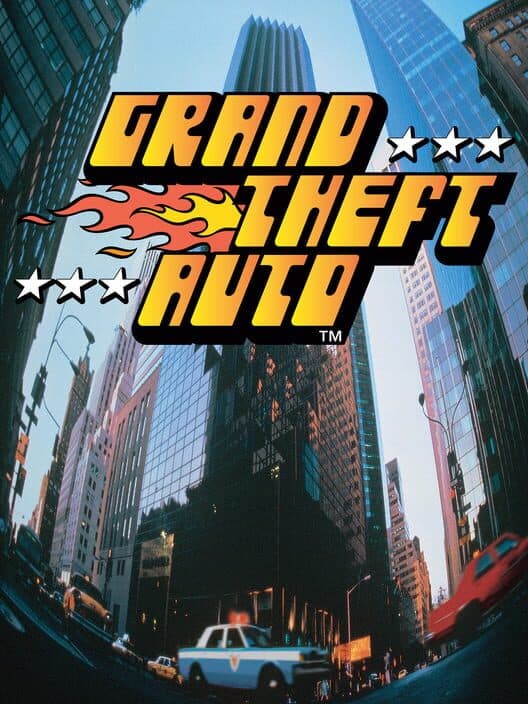
Grand Theft Auto (1997) is worth it today if you enjoy retro action games, are curious about the series’ origins, and can handle old-school difficulty. The core appeal is simple but strong: cruise around top-down cities, steal any car you see, answer payphones for short missions, and turn the streets into a chaotic playground while chasing big scores. It’s fast to pick up and doesn’t bury you in systems or story. What it asks from you is tolerance for rough edges: limited saving, uneven mission design, and controls that feel dated compared to modern GTAs. You’ll likely lose full cities to a bad streak, and some objectives will feel unfair until you learn better routes. In return, you get pure, focused chaos with a very ’90s sense of humor and plenty of “I can’t believe that just happened” moments. Buy at full price if you specifically want a history piece or love retro sandboxes. Otherwise, it’s a good curiosity or nostalgia hit to grab on sale or in a bundle.

BMG Interactive • 1997 • Nintendo 64, PC (Microsoft Windows), DOS, PlayStation
Top-down open-city crime sandbox chaos
Short missions inside long unforgiving levels
Best for retro action nostalgia fans
Grand Theft Auto (1997) is worth it today if you enjoy retro action games, are curious about the series’ origins, and can handle old-school difficulty. The core appeal is simple but strong: cruise around top-down cities, steal any car you see, answer payphones for short missions, and turn the streets into a chaotic playground while chasing big scores. It’s fast to pick up and doesn’t bury you in systems or story. What it asks from you is tolerance for rough edges: limited saving, uneven mission design, and controls that feel dated compared to modern GTAs. You’ll likely lose full cities to a bad streak, and some objectives will feel unfair until you learn better routes. In return, you get pure, focused chaos with a very ’90s sense of humor and plenty of “I can’t believe that just happened” moments. Buy at full price if you specifically want a history piece or love retro sandboxes. Otherwise, it’s a good curiosity or nostalgia hit to grab on sale or in a bundle.
When you have a free evening with 60–90 minutes to focus and want a retro, slightly punishing action game that doesn’t demand keeping up with a long story.
When you’re in the mood for mindless-but-fun chaos, happy to just steal cars, start police chases, and laugh at disasters without caring whether you actually clear a level.
When you’re curious about the roots of the GTA series and can tolerate old-school difficulty and limited saves to experience the original open-city crime sandbox firsthand.
Compact overall campaign but long, unforgiving levels; great for 60–90 minute sessions, less friendly if you only have tiny windows.
Commitment is where the original GTA is both appealing and tricky for busy adults. Overall, the game isn’t huge: finishing all three cities and playing around a bit more might take 15–25 hours, which is reasonable over a few weeks at 5–10 hours per week. You’ll feel like you’ve “done the thing” after one full campaign. The catch is the level structure. Each city is a long, life-limited run with no mid-level saves, so meaningful progress is most efficient when you can sit for at least 60–90 minutes. Losing all five lives late in a level can erase an evening’s advancement, even if the moment-to-moment play was fun. On the plus side, you can pause instantly and walk away for real-life interruptions, and it’s easy to remember the basics after a break. The game is totally solo, with no social scheduling pressure. It works best when you can carve out a decent chunk of focused time, but you can still enjoy shorter, purely chaotic sessions that ignore progression.
Fast driving and chaotic chases keep you alert, but the simple mechanics prevent it from becoming mentally exhausting or strategy-heavy.
In terms of focus, the original Grand Theft Auto asks for steady, real-time attention without overwhelming you. While you’re driving or running from police, you really do need to watch the screen: traffic, pedestrians, and cops all move constantly, and a brief glance away can mean a wreck or an arrest. There’s some light reading when you pick up missions at payphones, but nothing like the dialog-heavy scenes in modern story games. However, the underlying systems are simple. You’re not juggling inventories, complex skill trees, or deep puzzles. Most of your choices are concrete and immediate: which car to steal, which street to turn down, whether to risk a shortcut for a higher score chain. It keeps your attention in a direct, arcade-like way. For a busy adult, this means you should play when you can give the game your eyes and hands, but you don’t need to be in a super-sharp, spreadsheet-planning mindset to enjoy it.
Easy to pick up in a session or two, but getting truly comfortable with cities and tight missions gives a noticeable, satisfying edge.
Learning the original Grand Theft Auto is straightforward, but mastering it still feels rewarding. You’ll pick up the basics quickly: steal a car, drive with the top-down camera, answer ringing phones for missions, and watch your lives and score. Within a couple of hours, most adults will understand how the game works and be able to clear easier jobs. Where the game pays you back is in city knowledge and driving skill. As you learn shortcuts, safer routes, and how police react at different wanted levels, missions that once felt unfair start to feel manageable. Combining that knowledge with smoother driving lets you chain score multipliers and survive longer with your limited lives. There’s no deep buildcrafting or late-game ladder to climb, so the mastery curve eventually flattens out. Still, for someone who enjoys feeling tangible improvement over a few weeks—without needing to study guides or systems—the game offers a solid sense of growth from raw clumsiness to confident chaos.
Brief spikes of tension from timers and police chases, wrapped in an irreverent arcade tone that stops it feeling brutally stressful.
On the intensity side, Grand Theft Auto (1997) sits in a middle zone. It’s more stressful than a cozy farming sim but far calmer than horror games or sweaty competitive shooters. The main heart-rate spikes come from time-limited missions and escalating police chases, especially when you’re down to your last life in a long city. Knowing that one crash might waste a big chunk of time can definitely make your hands clench. Despite that, the game’s mood is cartoonishly criminal rather than grim. The top-down view, exaggerated sound effects, and jokey text keep things feeling like an arcade romp instead of a gritty crime drama. When you fail, you’re more likely to roll your eyes or laugh at the chaos than feel devastated. For a busy adult unwinding after work, this means the game can be exciting without being emotionally heavy. Just be aware that repeated mission failures or losing a late-life run can cause real frustration, especially if your gaming time is limited.
Games with a similar rhythm and feel, even if they look different