hello@slated.gg
Powered by IGDB•Privacy•Terms

© 2026 Slated.gg

Slated.gg
Popular GamesAboutDiscover Games
Gothic 1 Remake

THQ Nordic • 2026 • PC (Microsoft Windows), PlayStation 5, Xbox Series X|S

Rewarding skill growthDiscovery-driven
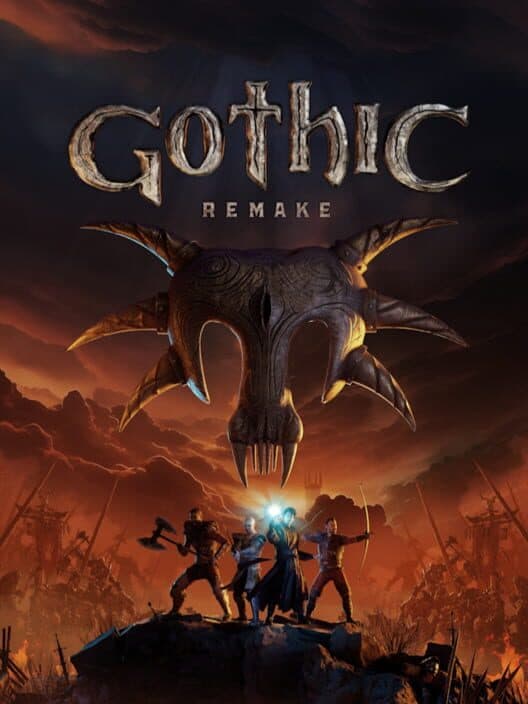
Gothic 1 Remake cover art

Gothic 1 Remake

THQ Nordic • 2026 • PC (Microsoft Windows), PlayStation 5, Xbox Series X|S

Rewarding skill growthDiscovery-driven

Is Gothic 1 Remake Worth It?

Gothic 1 Remake is worth it if you want a harsh, hands-off fantasy journey where every bit of progress feels earned. Its best qualities are the atmosphere, the camp politics, and the slow climb from helpless nobody to someone who can finally survive the Colony on purpose. Few games sell growth this well. The trade is that it asks a lot from you up front. Early hours are rough, quest guidance is sparse, combat stays a little awkward, and returning after a break takes more memory than most modern open-world games. Launch stability concerns also matter, especially on console. Buy at full price if that old-school friction is exactly what you want and you are playing on a platform with solid performance. Wait for a sale or a few more patches if you like the setting but want smoother combat and more technical confidence. Skip it if you want clear markers, fast empowerment, or a laid-back adventure you can half pay attention to.

What is Gothic 1 Remake like?

Opinions of Gothic 1 Remake

What Players Love

  • Players Love

    The Colony's atmosphere feels dirty, lived-in, and memorable

    Players keep praising the prison valley's mood, music, and camp identity. The world feels harsh and believable in a way that stands out from cleaner fantasy worlds.

  • Players Love

    Starting weak makes later power feel truly earned

    Many fans say the best part is the slow climb from helpless convict to capable fighter. Better armor, training, and faction standing make each small gain feel huge.

Common Concerns

  • Common Concern

    Crashes and save issues badly hurt launch-week trust

    Reports of crashes, performance drops, audio problems, and occasional save rollbacks show up often enough to matter, especially on console. Stability is the biggest caveat right now.

  • Common Concern

    Combat and lockpicking still feel awkward for some

    Even players who like the remake often mention clunky swings, inconsistent feel, or fiddly lockpicking. These systems improve over time, but they are not effortlessly smooth.

Divisive Aspects

  • Divisive

    Old-school guidance and rough edges split players sharply

    Sparse markers, no minimap, slow early progress, and hands-off questing are either the whole appeal or the main frustration. This faithfulness is a real make-or-break feature.

What does Gothic 1 Remake demand from you?

Time

HIGH

Time

One run is a real multi-week project, yet pause and save-anywhere make it manageable in chunks if you can tolerate bumpy re-entry after breaks.

HIGH

One full run is a serious project, usually around 35 to 55 hours for the main story, and it feels best when you come back regularly over several weeks. The good news is that day-to-day flexibility is strong. You can pause fully, save almost anywhere, and play alone with no schedule pressure, party coordination, or online demands. The harder part is structure. Even though the story is chaptered, most sessions are self-directed: you pick one lead, walk there, solve a small problem, then decide what matters next. That makes it workable in 60 to 90 minute chunks, but it also means it is easy to lose the thread after a week away. NPC names, trainer locations, and half-finished quest leads do not reassemble themselves. In other words, it asks for long-term consistency more than marathon sessions. If you like living in a world and building momentum slowly, that trade can feel very worth it.

Tips
  • Aim for one concrete goal per session, like reaching a trainer, finishing one quest step, or earning enough ore for gear.
  • Always quit in a safe place with a fresh save and a quick note about your next lead. Re-entry is much smoother that way.
  • Do not judge the whole game by the first few hours alone. The payoff shows up after camp choice, training, and better equipment.

Focus

HIGH

Focus

This world wants your full attention: listen to directions, remember routes, and pick fights carefully or even a normal walk can go bad fast.

HIGH

Gothic 1 Remake asks for real attention and pays it back with strong immersion. This is not a game for half-watching TV or checking your phone every few minutes. You spend a lot of time listening to spoken directions, remembering names, judging whether a route is safe, and deciding if you should fight, sneak past, or turn around. Even simple travel matters because the world is dense, lightly guided, and willing to punish careless shortcuts. Combat is deliberate rather than lightning fast, so the strain comes less from raw reflexes and more from staying alert, reading spacing, and making smart choices before things go wrong. The result is a world that feels lived in instead of theme-parked. When you learn a path, recognize a dangerous area, or finally understand how one camp connects to another, it feels like knowledge you earned, not information the game handed you.

Tips
  • Keep a note or screenshot list of NPC names, trainer locations, and spoken directions so you spend less time wandering after breaks.
  • Treat travel as part of the challenge: plan one destination, save before leaving camp, and avoid shortcutting through unknown forest early.
  • Fight in small pulls whenever possible. Back away from groups and use terrain so you are reading one threat instead of three.

Challenge

MODERATE

Challenge

The first hours can feel rough and awkward, but patience and focused choices turn confusion into one of the most satisfying growth arcs around.

MODERATE

The real hurdle is not flashy button skill. It is learning a world that refuses to explain itself much. Gothic 1 Remake asks for patience, experimentation, and a willingness to feel clumsy for a while. Early combat can feel awkward, quest directions are often verbal instead of heavily marked, and systems like training, economy, and lockpicking make more sense after trial and error than after a neat tutorial. That can be frustrating, especially if you are used to smoother modern adventures. Stick with it, though, and the payoff is excellent. A focused build, better weapon skill, stronger armor, and a clearer sense of where things are slowly turn confusion into confidence. You do not need perfect play to finish, but you do need the right mindset: save often, pick a lane, and treat early mistakes as part of the learning curve. If that sounds appealing, the growth arc is one of the game's best rewards.

Tips
  • Pick an early combat lane and invest consistently. Spreading ore across every trainer delays the moment when your character finally clicks.
  • Assume the game will not over-explain. Read the diary, test systems carefully, and treat failed experiments as information, not wasted time.
  • When lockpicking or combat feels awkward, practice on low-stakes encounters first instead of learning during expensive, high-risk quests.

Intensity

MODERATE

Intensity

The pressure is steady rather than explosive; you feel hunted, underprepared, and deeply relieved when small victories finally start to stick.

MODERATE

This is a tense, punishing adventure, but not a nonstop adrenaline machine. It asks you to live with caution, weak early gear, and the constant sense that the wrong forest path or overconfident fight can ruin the next few minutes. The pressure is strongest in the opening stretch, when money is tight, armor is bad, and you still do not understand the Colony's rules. What keeps it from feeling hopeless is that the game also gives you manual saves, full pause, and a powerful sense of relief after small wins. Beating enemies that used to bully you, reaching camp safely with loot, or finally affording training creates a great release valve. The stress here is mostly the good kind if you enjoy harsh worlds and earned progress. It turns bad when you are tired, distracted, or hit technical problems, because then the rough edges and long walks can feel more annoying than thrilling.

Tips
  • Manual save before risky routes, new dialogue chains, and training purchases. The game feels much fairer when you protect your last ten minutes.
  • If the early game feels punishing, grind safer wildlife and camp errands until your weapon skill and armor finally catch up.
  • Play this when you can stay mentally present. Tired, distracted sessions make the Colony feel much harsher than it needs to.

Frequently Asked Questions

Gothic 1 Remake is hard, but not for the same reasons as Sekiro or a pure action challenge game. It is closer to a rough, unforgiving version of The Witcher 3 or Skyrim than to a reflex exam. The hardest part is the opening stretch, when you are weak, undergeared, and not yet fluent in how the world communicates goals. Enemies hit hard, bad routes can get you killed fast, and the game often expects you to learn through failure. Once your weapon skill, armor, and camp standing improve, the challenge becomes much more manageable. So it is harder to learn than to finish. You do not need elite reflexes, but you do need patience, saving discipline, and a willingness to back out of bad fights. Difficulty options and modern accessibility features help, yet they do not erase the game's identity. If you enjoy learning a harsh world, it feels fair enough. If you want clean tutorials and early confidence, it will feel punishing.

Plan on about 35 to 55 hours for one main-story run, with more if you chase side quests, explore heavily, or start over for another camp. A broader first playthrough can easily drift into the 60-hour range, but you do not need to see every faction to feel finished. The game works best in 60 to 90 minute sessions because progress is often incremental: travel to a camp, finish one quest step, train a skill, sell loot, save, and stop. The good news is that it respects your schedule better than its reputation suggests. Full pause and save-anywhere make it easy to leave mid-journey. The catch is mental re-entry. If you step away for a week or two, you may need 10 to 20 minutes to remember names, routes, and why an NPC mattered. So the total hours are substantial, but the bigger ask is regularity, not marathon sittings.

Gothic 1 Remake is stressful in a steady, wary way, not in a nonstop panic way. Most sessions carry a background hum of danger because the world is lightly guided, enemies punish overconfidence, and the early game makes you feel weak on purpose. That can be great stress if you like caution, relief, and the thrill of finally surviving places that used to scare you. It becomes bad stress when you are tired, distracted, or short on patience, because long walks, rough combat feel, and occasional technical issues can turn tension into irritation. The game is also grim in tone, so even quiet exploration rarely feels cozy. The good news is that full pause and manual saving give you control over the worst spirals. Save before risky trips, play when you can stay mentally present, and it becomes a harsh but rewarding mood piece. If you want something relaxing after work, this is usually the wrong pick.

Yes, it is fully solo, and you can play it in chunks, but "casual" comes with real caveats. There are no party schedules, no online obligations, and no pressure to keep up with other players. Full pause and save-anywhere are excellent, so sudden interruptions are not a problem. That makes it much more workable for busy weeks than its old-school reputation suggests. The harder part is the game's memory load. Sessions are self-directed, quest guidance is light, and important directions often live in dialogue rather than big glowing markers. If you stop for several days, you may return remembering your inventory but not your plan. So yes, you can absolutely fit it into 60 to 90 minute sessions, especially if you set one goal per night and save in a safe place before quitting. Just do not expect a breezy drop-in comfort game. It is solo-friendly and schedule-friendly, but only moderately break-friendly in your head.

No. Gothic 1 Remake is a standard one-time purchase with no signs of pay-to-win systems. There are no stat boosts, time savers, paid gear packs, battle passes, or competitive advantages tied to spending more money. Progress comes from playing the game: training skills, earning ore, joining a camp, learning safe routes, and gradually becoming stronger through normal progression. That matters here because the game's whole appeal is earned competence. Selling shortcuts would undercut the point, and there is no evidence the release does that. Store listings point to a normal premium release, with optional extras like a soundtrack rather than gameplay power. So if you are deciding whether the experience is shaped by design or by monetization pressure, this is the former. Your main caveats should be challenge, old-school friction, and launch stability, not monetization.

You Might Also Like

Games with a similar rhythm and feel, even if they look different
Explore more→
Crimson Desert game cover art
Rewarding skill growth

Crimson Desert

Time
HIGH
Focus
HIGH
Challenge
HIGH
Intensity
MODERATE
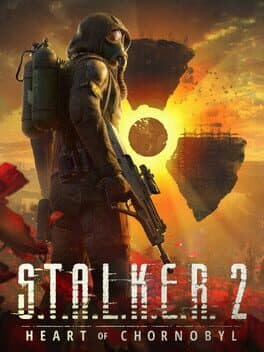
S.T.A.L.K.E.R. 2: Heart of Chornobyl game cover art

S.T.A.L.K.E.R. 2: Heart of Chornobyl

Time
MODERATE
Focus
HIGH
Challenge
MODERATE
Intensity
HIGH
Dragon's Dogma II game cover art

Dragon's Dogma II

Time
HIGH
Focus
HIGH
Challenge
MODERATE
Intensity
MODERATE
Atomfall game cover art
Discovery-driven

Atomfall

Time
MODERATE
Focus
MODERATE
Challenge
MODERATE
Intensity
MODERATE
Tainted Grail: The Fall of Avalon game cover art

Tainted Grail: The Fall of Avalon

Time
HIGH
Focus
MODERATE
Challenge
MODERATE
Intensity
MODERATE
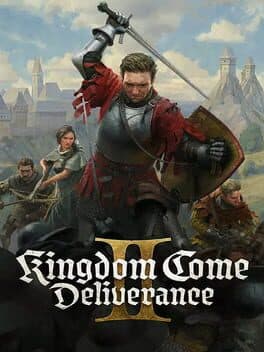
Kingdom Come: Deliverance II game cover art

Kingdom Come: Deliverance II

Time
HIGH
Focus
HIGH
Challenge
MODERATE
Intensity
MODERATE
← Back to Home