Rebellion Developments • 2025 • PlayStation 4, PC (Microsoft Windows), PlayStation 5, Xbox One, Xbox Series X|S
Yes, Atomfall is worth it if you want a compact, moody mystery and you do not need silky-smooth combat. Its best trick is making you feel like you are piecing together your own version of a disaster: following notes, choosing who to trust, sneaking through eerie British villages, and deciding when a few bullets are worth spending. That gives it a stronger sense of discovery than many checklist-heavy action adventures. What it asks from you is patience. The game explains less than most big-budget action games, inventory management can feel fiddly, and fights, especially melee, are more functional than thrilling. You will also want to remember your active leads if you step away for a week. Buy at full price if atmosphere, investigation, and self-directed exploration are exactly what you want right now. Wait for a sale if you are interested but mainly come for polished shooting or dislike backtracking. Skip it if you want clear quest markers, power-fantasy combat, or a totally frictionless ride.

Rebellion Developments • 2025 • PlayStation 4, PC (Microsoft Windows), PlayStation 5, Xbox One, Xbox Series X|S
Yes, Atomfall is worth it if you want a compact, moody mystery and you do not need silky-smooth combat. Its best trick is making you feel like you are piecing together your own version of a disaster: following notes, choosing who to trust, sneaking through eerie British villages, and deciding when a few bullets are worth spending. That gives it a stronger sense of discovery than many checklist-heavy action adventures. What it asks from you is patience. The game explains less than most big-budget action games, inventory management can feel fiddly, and fights, especially melee, are more functional than thrilling. You will also want to remember your active leads if you step away for a week. Buy at full price if atmosphere, investigation, and self-directed exploration are exactly what you want right now. Wait for a sale if you are interested but mainly come for polished shooting or dislike backtracking. Skip it if you want clear quest markers, power-fantasy combat, or a totally frictionless ride.
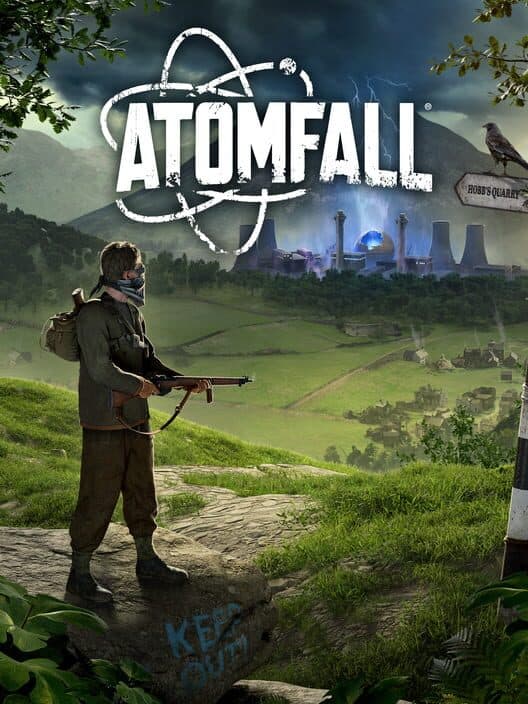
Players consistently praise the quarantine-zone mood, folk-horror touches, and rural setting. The place feels specific and memorable instead of generic post-disaster scenery.
Reviews often call the fighting functional rather than exciting. Guns are usable, but close combat especially can feel awkward beside the game's excellent mood and exploration.
Some players love connecting clues for themselves, while others find the same structure vague after a break or unclear about which thread matters most right now.
Many players enjoy piecing together notes, rumors, and clues on their own. That lighter guidance makes discoveries feel earned instead of handed to you by a checklist.
Limited carry space, frequent sorting, and repeat travel between traders or leads are common friction points. The mystery pulls forward, but the housekeeping can slow sessions down.
Players consistently praise the quarantine-zone mood, folk-horror touches, and rural setting. The place feels specific and memorable instead of generic post-disaster scenery.
Many players enjoy piecing together notes, rumors, and clues on their own. That lighter guidance makes discoveries feel earned instead of handed to you by a checklist.
Reviews often call the fighting functional rather than exciting. Guns are usable, but close combat especially can feel awkward beside the game's excellent mood and exploration.
Limited carry space, frequent sorting, and repeat travel between traders or leads are common friction points. The mystery pulls forward, but the housekeeping can slow sessions down.
Some players love connecting clues for themselves, while others find the same structure vague after a break or unclear about which thread matters most right now.
A full run is modest in length and easy to pause, though returning after a week can mean rebuilding your train of thought.
Atomfall is a pretty good fit for a busy schedule once you accept that it likes self-made stopping points more than neat chapter breaks. A full run is modest by modern standards, with most players reaching an ending in roughly 12 to 18 hours and thorough exploration pushing closer to 20 or a bit beyond. Better yet, it is fully solo, fully pausable, and flexible about saving, so real life interruptions are rarely a problem. You can make useful progress in a half hour, though 60 to 90 minutes feels best because clues and discoveries tend to chain together. What the game asks in return is continuity. If you step away for a week, the controls will come back quickly, but your train of thought may not. You might need a few minutes to remember which lead mattered, what an NPC asked for, or why you are carrying certain rare items. The reward is a contained mystery that feels complete without asking for months of upkeep. It is much easier to finish than a giant open-world time sink, but it still wants your attention while you are in it.
You are usually reading, planning, and scanning rather than zoning out, with short bursts of shooting that punish sloppy attention more than slow reactions.
Atomfall asks you to stay mentally present almost the whole time, but not because the controls are brutally demanding. The real load comes from keeping several threads alive at once: what lead you are following, which trader has what you need, how much ammo and healing you can spare, and whether the safer route is actually worth the longer walk. That makes the game feel active even during quiet moments. You are often reading notes, checking your inventory, scanning cottages, and trying to connect one clue to another. The payoff is that discoveries feel earned. When a scrap of paper, a bunker door, and a suspicious NPC suddenly line up, it feels like your own deduction instead of a marker telling you where to go. In combat, the demands spike for short bursts. You need to aim, reposition, and notice threats fast enough, but Atomfall is slower than a pure action spectacle. You usually win by being prepared, not by having elite reflexes. If you like games that reward curiosity and attention, this lands well. If you want to half-play while doing something else, it will feel stickier than it first looks.
Basic play lands quickly, but feeling comfortable with the clue web, trading, and resource choices takes a few sessions of patient experimentation.
Atomfall is not hard to start, but it does take a little while to feel settled. In your first hour or two, the basics are easy enough: search buildings, read notes, shoot when you have to, craft simple supplies, and talk to people who might know more. The trickier part is learning what actually matters. You need to figure out which items are worth carrying, when trading is smarter than crafting, which leads are worth chasing now, and how cautious you need to be with every fight. That early uncertainty is part of the appeal. The game asks for patience and a willingness to make imperfect calls, then pays you back with a strong sense of ownership once the systems click. You start reading the world better, wasting fewer resources, and spotting which risks are worth taking. It never becomes a huge numbers game, and it does not demand frame-perfect mastery. The bigger hurdle is that it explains less than many modern action games, and the slightly stiff melee can make early mistakes feel clumsy. Stick with it for a few sessions, and the rough edges become easier to work around.
The pressure comes from scarce supplies, eerie spaces, and not knowing who to trust, but it stays in simmering survival territory instead of full panic.
Atomfall feels tense more often than it feels explosive. Most of the pressure comes from the world itself: eerie quiet, scarce supplies, patrol routes, and the constant sense that picking the wrong fight will cost you bandages, bullets, and time. That creates a steady survival edge without pushing every session into full horror panic. The game asks you to live with uncertainty and to accept that not every problem should be solved head-on. In return, it delivers a great mood. The countryside feels wrong in a memorable way, and the low hum of danger makes even small victories feel satisfying. Surviving a rough skirmish with one shell left, or leaving a bunker with a clue that finally explains something, has more weight because the game does not make you feel fully safe. The good news is that it rarely turns cruel. Death usually means redoing a recent stretch, not losing hours, and the overall tone is uneasy rather than overwhelming. This works best when you want immersion and suspense, not when you want a completely cozy wind-down game.
Games with a similar rhythm and feel, even if they look different