Nintendo • 2022 • Nintendo Switch
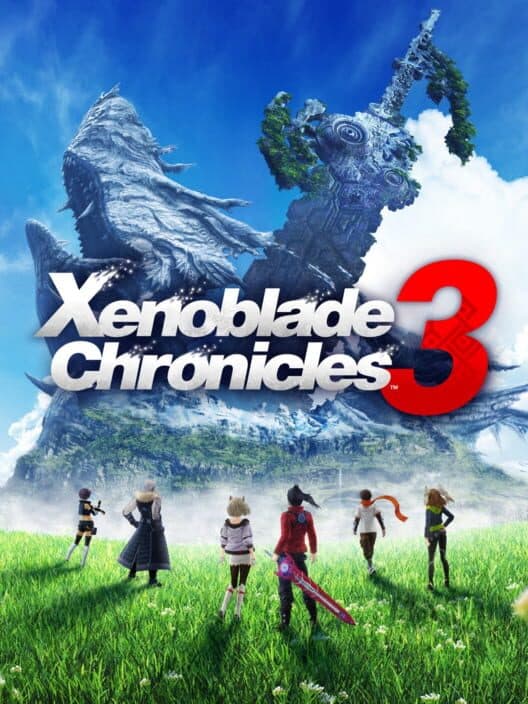
Xenoblade Chronicles 3
Nintendo • 2022 • Nintendo Switch
Is Xenoblade Chronicles 3 Worth It?
Yes, Xenoblade Chronicles 3 is worth it if you want a huge, heartfelt adventure and don't mind living with one game for a while. Its best selling point is not just size. It's the way the main party grows on you, the way Hero and colony stories make the world feel lived in, and the way combat gets more satisfying as your team starts clicking. What it asks from you is patience. The opening stretch is tutorial-heavy, menus can feel busy, and the full journey is long. This is not a quick weekend play. It works best if you enjoy spending part of a session adjusting classes, gear, and goals before pushing forward. Buy at full price if you already love long story-rich games, party building, and anime-style drama. Wait for a sale if you like big adventures but worry about pacing or Switch performance. Skip it if you want short, self-contained sessions, minimal menuing, or a story that gets to the point fast.
What is Xenoblade Chronicles 3 like?
Opinions of Xenoblade Chronicles 3
What Players Love
- Players Love
The main party gives the story real emotional weight
Players consistently praise the six leads as the game's anchor, saying camp talks, banter, and big scenes keep the long adventure heartfelt and easy to stay invested in.
- Players Love
Hero and colony quests feel better than usual side content
Optional quests are often praised for deepening people and places instead of padding the runtime, giving breaks from the main plot that still feel worth your time.
- Players Love
Class swapping keeps progression fresh across a very long playthrough
Unlocking and mastering new roles gives players steady goals for dozens of hours, making party building feel rewarding even when the menus get busy.
Common Concerns
- Common Concern
Tutorials, menus, and long battle sequences can drag pacing
A common complaint is that the game teaches systems for too long and buries players in UI layers, while lengthy battle animations slow fights later on.
- Common Concern
Switch visuals and performance dips are noticeable but usually manageable
Players often mention soft image quality and occasional frame drops in large areas or crowded fights. Most can live with it, but it is a clear technical compromise.
Divisive Aspects
- Divisive
The ending and final stretch split players more than earlier chapters
Many love the emotional intent of the last act, while others feel some villains and the final payoff do not fully match the build-up.
What does Xenoblade Chronicles 3 demand from you?
Time
HIGHTime
This is a long solo trip you can pause and save freely, but the size and memory load make long breaks costly.
Focus
MODERATEFocus
Most of the effort goes into tracking party systems and planning builds, with only light reflex demands. Great for locked-in evenings, weaker for half-distracted play.
Challenge
MODERATEChallenge
Easy enough to survive, but slower to fully understand. The game keeps adding new rules, so comfort comes hours after basic progress does.
Intensity
MODERATEIntensity
More moving than nerve-racking, it hits hardest through war drama and drawn-out boss battles rather than constant fear or severe punishment.
Frequently Asked Questions
You Might Also Like
Games with a similar rhythm and feel, even if they look different