hello@slated.gg
Powered by IGDB•Privacy•Terms

© 2026 Slated.gg

Slated.gg
Popular GamesAboutDiscover Games
Fire Emblem: Fortune's Weave

Nintendo • 2026 • Nintendo Switch 2
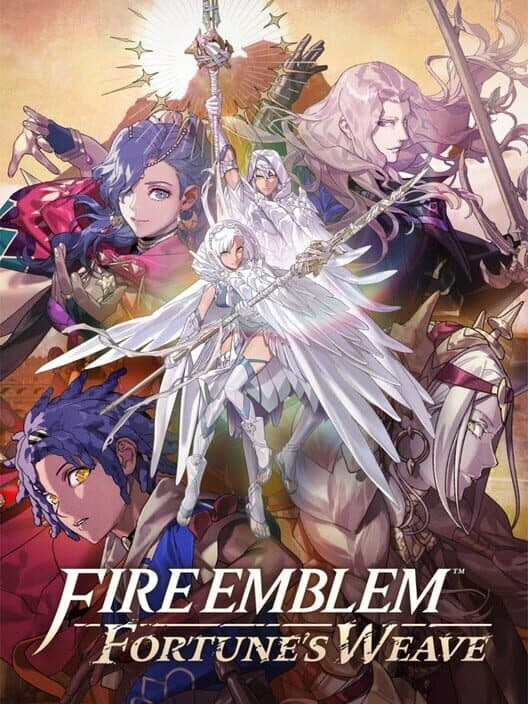
Satisfying to completeStrategic thinkingPerfect for a weekend
Fire Emblem: Fortune's Weave cover art

Fire Emblem: Fortune's Weave

Nintendo • 2026 • Nintendo Switch 2

Satisfying to completeStrategic thinkingPerfect for a weekend

Is Fire Emblem: Fortune's Weave Worth It?

Based on what Nintendo has shown so far, Fire Emblem: Fortune's Weave looks worth watching closely if you love thoughtful squad battles, route-based character drama, and the slow payoff of building a team over several weeks. Its biggest appeal is the mix of clear tournament structure, strong cast focus, and battles where planning matters more than reflexes. What it asks from you is patience. A normal session seems heavy on prep decisions, map reading, and long fights where one sloppy turn can cost time. What it seems ready to give back is that satisfying Fire Emblem feeling of turning careful setup into a clean win and getting attached to the people doing the fighting. If early reviews confirm distinct routes and solid save tools, series fans and strategy-first players can justify full price. If you are unsure about repeated content, want shorter sessions, or dislike menu time, wait for reviews or a sale. Skip it if you want breezy action or something you can play on autopilot.

What is Fire Emblem: Fortune's Weave like?

Opinions of Fire Emblem: Fortune's Weave

What Players Love

  • Players Love

    Art direction and character designs look especially strong

    Pre-release discussion keeps circling back to the portraits, interface, and overall visual style, with many fans calling it a confident blend of recent series looks.

  • Players Love

    Dagda setting and world connection fuel early excitement

    A lot of early buzz comes from the apparent link to the Three Houses world and the Dagda backdrop, which many fans see as a strong hook before launch.

Common Concerns

  • Common Concern

    Four routes raise fears of repeated maps and overlap

    The multi-lead structure excites people, but many worry repeated battles or recycled story beats could make replays feel thinner than they should.

  • Common Concern

    Players still want clearer combat and class details

    Strategy-first fans keep asking for more concrete information on Blaze Arts, class limits, difficulty, and how the prep loop really works in practice.

Divisive Aspects

  • Divisive

    Shared-world callbacks excite some fans and worry others

    For some fans, the familiar world link is a huge selling point. Others want the new game to stand on its own rather than lean too hard on old ties.

What does Fire Emblem: Fortune's Weave demand from you?

Time

MODERATE

Time

One route should fit into a few steady weeks, with clean chapter-style stopping points and good pause support, but returning after a break may take a refresher.

MODERATE

One full route looks like a solid medium-long commitment rather than a lifestyle game. Based on Nintendo's framing and recent series history, a single story path will probably land somewhere around twenty-five to forty hours for most people, while seeing all four routes could stretch well past one hundred. The structure helps a lot. The game seems built around clear chunks: prep in the hub, maybe a side task, then a major battle. That makes it easier to stop at clean boundaries than a giant open-world game that never quite tells you when to quit. It also helps that the whole thing is solo, with full pause and no group scheduling. The main caveat is battle length. Even if a quick interruption is fine, you may not want to start a big map unless you have a decent block of time. It also looks like the kind of game that asks for regular check-ins. After a week away, you will likely remember the story but need a few minutes to rebuild your roster plan, gear priorities, and relationship goals.

Tips
  • Budget sessions around one prep phase plus one battle, not around trying to squeeze two major maps into a single evening.
  • Before quitting, note your next priorities: recruits, class goals, shopping needs, and which units you want support time for.
  • If you take a week off, spend five minutes in the hub reviewing gear and unit roles before starting a major match.

Focus

MODERATE

Focus

Mostly calm, chess-like planning with long stretches of map reading, roster management, and careful turn choices rather than split-second inputs.

MODERATE

This game asks you to stay mentally present through both halves of a session: the setup and the battle itself. Before a match, you will likely be weighing training, recruiting, shopping, and relationship choices under limited prep time. Once the map starts, the demand shifts into careful board reading. You are counting squares, checking enemy ranges, protecting fragile units, and deciding when a risky Blaze Art is worth the lost health. The good news is that none of this seems rushed. You usually have time to stop, think, and correct yourself before locking in a move, so the load comes from planning and memory, not hand speed. That makes it far easier to handle than an action game if life interrupts you for a minute. It also means this is a weak fit for background play. If you want something to enjoy while half-watching a show, the menus and map states may blur together. If you give it your full attention, though, it should pay you back with the satisfying feeling of outthinking a messy battle.

Tips
  • End sessions after a hub visit when possible, so you return to a clean overview of goals, shopping, and unit plans.
  • Use enemy range overlays before every big push; it cuts down on careless losses and keeps long maps from snowballing.
  • Pick a core squad early instead of spreading resources across everyone, especially while you are still learning what each role does best.

Challenge

MODERATE

Challenge

Easy enough to understand after a few sessions, but building a strong army and using health-spending skills well should take steady practice.

MODERATE

Getting comfortable here should take a few sessions, not a semester. The game appears to layer familiar Fire Emblem ideas like class roles, unit strengths, support growth, and map positioning with newer wrinkles such as limited prep windows and Blaze Arts that spend health for power. That means the opening hours will probably feel busiest, because you are learning what the systems are and how much to value each one. The upside is that this series usually teaches through repetition. You fight, see the result, adjust, and slowly build a sense for safe ranges, smart pairings, and who deserves your best resources. It does not look like the kind of game that sends most people to a wiki just to function. The harder part is turning basic understanding into consistent good judgment over long maps. In return, it offers one of the best payoffs a tactics game can give: you start by surviving, then reach the point where wins feel clearly earned by your own planning and team building.

Tips
  • Learn movement ranges and combat forecasts first; fancy long-term class plans matter less than avoiding bad trades in the early game.
  • Test Blaze Arts in safer skirmishes before leaning on them in main matches, so you understand the health trade clearly.
  • Keep one backup save before major battles until the game's exact rewind and suspend tools are fully clear.

Intensity

LOW

Intensity

Pressure comes from long maps, favorite units, and limited prep windows, but the turn-based pace keeps it more tense and absorbing than frantic.

LOW

This looks more tense than frantic. The pressure should come from long maps, limited prep windows, and the simple fact that you will care about your units, not from jump scares or split-second survival. A bad move can leave a favorite character exposed, waste a Blaze Art at the wrong time, or turn a clean victory into a slow cleanup. That creates a steady hum of worry, especially late in a battle when you do not want to throw away forty minutes of careful play. At the same time, the turn-based pace acts like a pressure valve. You can pause, review ranges, and think through safer options instead of reacting in panic. For most players, that makes the emotional pull feel like good stress: absorbing, a little tense, and very satisfying when a plan works. It is less likely to feel exhausting than horror games or hard action games. Play it when you want to settle into a thoughtful challenge, not when you only have a few distracted minutes and no patience for a long battle going sideways.

Tips
  • Play when you want steady concentration, not when you are already rushed or drained; long maps feel much worse when you are tired.
  • Treat Blaze Arts as planned finishers, not panic buttons, so the health cost feels like a choice instead of a punishment.
  • If a map starts going sideways, pause and review ranges before moving anyone; this game should reward calm resets over desperation.

Frequently Asked Questions

It will probably land in the medium range, with more thinking than punishment. If you have played Fire Emblem: Three Houses or Engage on normal, Fortune's Weave looks set to sit in that same comfortable middle space: enough pressure that you need to plan turns, but not a wall meant only for veterans. The tricky part should be learning how prep time, unit growth, class options, and Blaze Arts work together. That is learning difficulty, not execution difficulty. Because combat is turn-based, the game should give you time to read the board and make good choices. Mastery will still take longer, especially if you want cleaner clears, stronger builds, and fewer wasted turns on long maps. The biggest unknown is which safety tools return. If rewind-style correction is back, mistakes should feel much less punishing. If it is missing or limited, long battles could feel sharper than expected. People who dislike menu-heavy planning may find it harder than action fans expect. People who enjoy chess-like problem solving will probably find it challenging in a satisfying, manageable way.

Expect about 25 to 40 hours for one full route, and well over 100 if you end up seeing all four. For most people, one route should be enough to feel like they truly experienced the game, so this is best thought of as a several-weeks project rather than a forever game. Sessions look easy to divide into useful chunks. A common evening will probably be 15 to 20 minutes of prep, then one battle or side activity, with natural stopping points when you return to the hub or finish a match. That structure helps a lot if you only play a few nights a week. The one caution is map length. Major battles may still run long enough that you will want 60 to 90 minutes, especially until you know the systems well. Saving between chapters should be fine, but mid-battle save freedom is still not fully confirmed before launch. If you only want the main story of one lead, the time ask looks reasonable. If you want every route, every bond, and every build experiment, the time ask jumps fast.

Mostly thoughtful tension, not high-adrenaline stress. This looks like the kind of game that keeps you leaning forward and thinking hard, rather than making your hands shake. The main pressure should come from protecting units you care about, managing limited prep opportunities, and knowing a sloppy turn on a long map can cost real time. That can feel intense in a good way because the game appears to give you space to solve problems instead of panicking through them. In other words, the stress is likely to be strategic and emotional, not sensory. It should sit much closer to Fire Emblem: Three Houses than to anything horror-driven or reflex-heavy. The bad version of stress will probably show up when you start a major battle too tired, too distracted, or with less time than you hoped. That is when long maps and roster management can feel draining instead of rewarding. It seems best as a game for evenings when you want steady concentration and a sense of progress, not for five rushed minutes before bed. If you like careful planning, the pressure should feel absorbing more than exhausting.

Yes, and that is one of its biggest strengths for a busy schedule. Fortune's Weave appears built first and foremost as a solo game, so you do not need friends online, fixed group times, or any competitive grind to enjoy it fully. That already makes it easier to fit into ordinary evenings than many long strategy games. It also looks fairly friendly to short interruptions because battles are turn-based and full pause is expected. The structure helps too: prep in the hub, take on a battle, then stop at a clear chapter-like boundary. That said, casual-friendly comes with a caveat. The game seems easy to pause, but not always easy to play carelessly. Major maps may still want a full hour or more, and coming back after a week could mean rereading unit builds, gear, and relationship plans before you feel sharp again. So yes, you can absolutely play it casually in chunks. Just treat it as a thoughtful weeknight game, not a mindless one.

No, nothing shown points to pay-to-win design. The base product is being sold as a normal premium release, and there is no announced mode where spending money gives players a competitive edge or lets them skip ahead of other people. That matters even more here because the game appears to be fully single-player. There is simply no ladder, ranked environment, or shared economy where paid power would make sense. The one small note of caution is that Nintendo store pages include a general in-game purchases descriptor, and right now the company has not fully explained what that covers. It could end up meaning harmless extras, future expansions, or something equally routine. As of this analysis, there is no evidence that money buys stronger units, better odds, faster growth, or easier wins in the base campaign. So the honest answer is still no. If Nintendo later announces gameplay-affecting purchases, that would change the picture, but based on current official information, this does not look like a game built around spending beyond the box price.

You Might Also Like

Games with a similar rhythm and feel, even if they look different
Explore more→
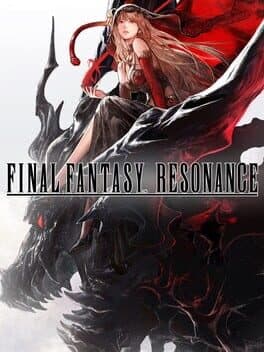
Final Fantasy Resonance game cover art
Story-driven

Final Fantasy Resonance

Time
MODERATE
Focus
MODERATE
Challenge
MODERATE
Intensity
LOW
Octopath Traveler 0 game cover art
Story-driven

Octopath Traveler 0

Time
HIGH
Focus
MODERATE
Challenge
MODERATE
Intensity
LOW
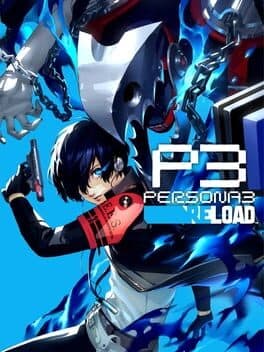
Persona 3 Reload game cover art
Story-driven

Persona 3 Reload

Time
HIGH
Focus
MODERATE
Challenge
MODERATE
Intensity
LOW
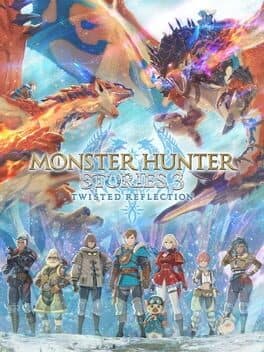
Monster Hunter Stories 3: Twisted Reflection game cover art

Monster Hunter Stories 3: Twisted Reflection

Time
HIGH
Focus
MODERATE
Challenge
MODERATE
Intensity
MODERATE
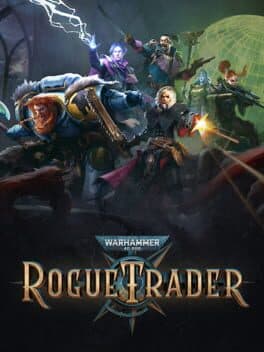
Warhammer 40,000: Rogue Trader game cover art
Strategic thinkingStory-driven

Warhammer 40,000: Rogue Trader

Time
HIGH
Focus
MODERATE
Challenge
HIGH
Intensity
MODERATE
Dragon Quest Monsters: The Withered World game cover art
Satisfying to complete

Dragon Quest Monsters: The Withered World

Time
MODERATE
Focus
MODERATE
Challenge
MODERATE
Intensity
LOW
← Back to Home