Square Enix • 2026 • Xbox Series X|S, Nintendo Switch 2, PC (Microsoft Windows), PlayStation 5, Nintendo Switch
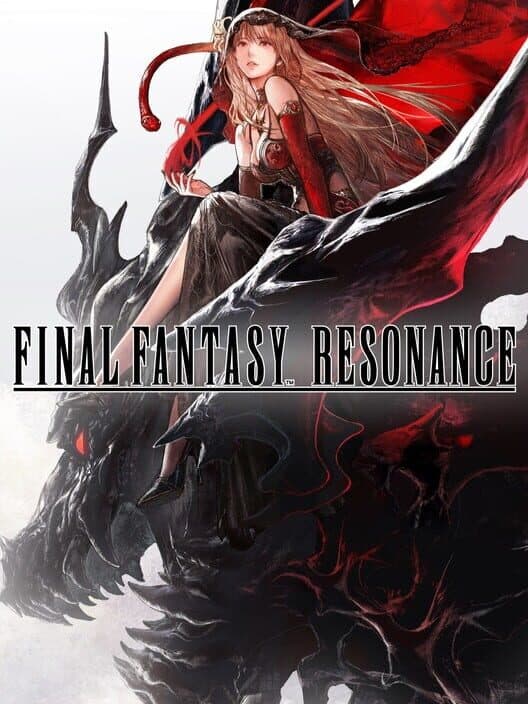
Final Fantasy Resonance
Square Enix • 2026 • Xbox Series X|S, Nintendo Switch 2, PC (Microsoft Windows), PlayStation 5, Nintendo Switch
Is Final Fantasy Resonance Worth It?
Based on previews, Final Fantasy Resonance looks worth watching closely if you have been craving a modern, turn-based Final Fantasy that still feels colorful and story-driven. The big draw is the mix: classic world-map travel, party-building through Visions, and brisk battles that seem simple at first but reward smart weakness and break management. It also helps that this is a premium single-player release, not a gacha grind. What it asks from you is time and a little menu patience. A full story run appears to be around 30 to 40 hours, and the fun seems tied to tweaking party roles, reading enemy weaknesses, and keeping your builds straight after a few days away. If you love old-school JRPG rhythm, that is part of the appeal. If you want instant action or constant novelty, it may feel slow. Full-price buyers should be the people already sold on turn-based Final Fantasy and HD-2D presentation. If you are unsure about the Brave Exvius roots, random encounters, or launch-day quality-of-life details like saving, waiting for reviews or a sale is smarter. Skip it if menu-heavy JRPGs never click for you.
What is Final Fantasy Resonance like?
Opinions of Final Fantasy Resonance
What Players Love
- Players Love
Fans are thrilled to see turn-based Final Fantasy return
Reveal reactions keep circling back to the same point: players missed slower, menu-driven battles and love seeing that style paired with rich HD-2D visuals.
- Players Love
Brave Exvius rebuilt without gacha is a major draw
Former mobile players like the idea of getting the story and cast in a premium release, without pull rates, power creep, or live-service pressure.
Common Concerns
- Common Concern
The mobile origin makes some players question its identity
A common hesitation is that starting from Brave Exvius may make the game feel less like a fresh standalone adventure and more like an adaptation.
- Common Concern
Some fans worry the roster and story scope feel limited
Returning Brave Exvius players wonder whether season-one focus and a smaller Vision lineup will leave favorite characters, jobs, or later material out.
Divisive Aspects
- Divisive
Legacy cameos excite some players and distract others
Seeing familiar heroes as Visions is a big nostalgia hook for some fans, while others worry the guest focus could pull attention from the new cast.
What does Final Fantasy Resonance demand from you?
Time
MODERATETime
It asks for a real multi-week story run, but the solo structure, full pause, and town-to-dungeon rhythm should fit regular evening sessions.
Focus
MODERATEFocus
This is relaxed on your hands but busy in your head, with turn-based battles and menu tinkering that reward planning more than fast reactions.
Challenge
MODERATEChallenge
You can learn the basics in a few evenings, then spend the rest of the game finding cleaner party builds and smarter ways to break enemies.
Intensity
LOWIntensity
Expect steady adventure pressure rather than panic; bosses can punish sloppy play, but most of the journey feels tense in a thoughtful, manageable way.
Frequently Asked Questions
You Might Also Like
Games with a similar rhythm and feel, even if they look different