hello@slated.gg
Powered by IGDB•Privacy•Terms

© 2026 Slated.gg

Slated.gg
Popular GamesAboutDiscover Games
Dragon Quest Monsters: The Withered World

Square Enix • 2026 • Xbox Series X|S, Nintendo Switch 2, PC (Microsoft Windows), PlayStation 5, Nintendo Switch
Satisfying to completeGreat for winding downLighthearted & fun
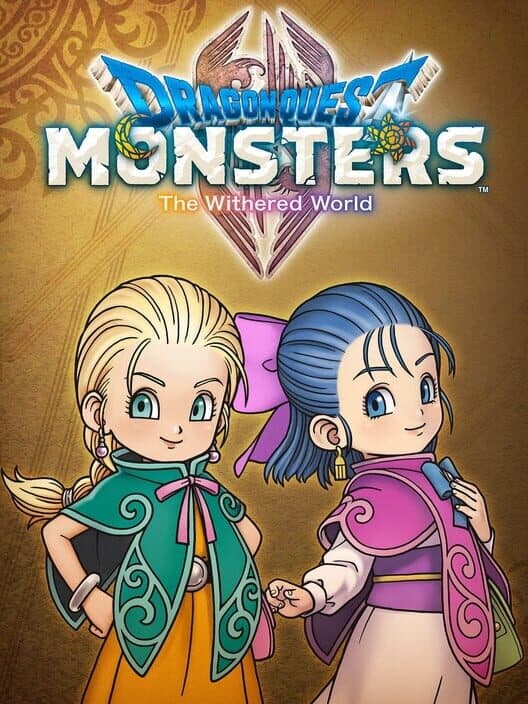
Dragon Quest Monsters: The Withered World cover art

Dragon Quest Monsters: The Withered World

Square Enix • 2026 • Xbox Series X|S, Nintendo Switch 2, PC (Microsoft Windows), PlayStation 5, Nintendo Switch

Satisfying to completeGreat for winding downLighthearted & fun

Is Dragon Quest Monsters: The Withered World Worth It?

Based on current official material, Dragon Quest Monsters: The Withered World looks worth it if you love collecting, raising, and fusing creatures into a team that feels personal. Its biggest draw is ownership. A good session should leave you with a new recruit, a smarter fusion, or a monster that finally learns the spell you wanted. That kind of steady progress is great if you only play a few nights a week. It also seems friendlier than harsher monster RPGs, with colorful tone, turn-based battles, and a clear story pushing you forward. The tradeoff is that the fun depends on caring about squad building. If you want fast action, huge story drama, or zero menu tinkering, this probably will not grab you. Buy at full price if the monster-raising loop is exactly your thing and you are happy to experiment with party plans for 25 to 35 hours. Wait for a sale if you like the charm but worry about roster size, grind, or other pre-launch unknowns. Skip it if team management sounds like homework.

What is Dragon Quest Monsters: The Withered World like?

Opinions of Dragon Quest Monsters: The Withered World

What Players Love

  • Players Love

    Collecting and fusion still look like the big draw

    Pre-release excitement keeps circling back to scouting, raising, and combining monsters. More than story or visuals, that team-building loop is what fans seem most eager to play.

  • Players Love

    Bianca and Nera boost the adventure's emotional pull

    Fans are responding warmly to Bianca and Nera as leads. Their Dragon Quest V connection adds nostalgia and gives the monster journey a stronger story hook.

Common Concerns

  • Common Concern

    Some fans worry the monster roster may feel smaller

    The announced 500-plus monsters sounds large, but some long-time fans expected more. For them, roster size stands in for how full and lasting the whole package will feel.

  • Common Concern

    Hype stays cautious without hands-on impressions or reviews

    Excitement is real, but confidence is limited because no player or critic reviews exist yet. Many reactions are hopeful rather than certain until the full game is in hand.

What does Dragon Quest Monsters: The Withered World demand from you?

Time

MODERATE

Time

It looks friendly to hour-long sessions and solo play, with clear goals most nights. The main catch is remembering long-term roster plans after a break.

MODERATE

This looks fairly friendly to a normal weeknight schedule. A satisfying session can likely be one dungeon push, one recruiting target, or one meaningful fusion back at base, so you do not need a whole free evening to feel progress. The main story also seems clear enough that you should usually know what you are doing next, which matters when you only play a few nights a week. Solo play appears to be the default, and optional online modes look like extras rather than obligations. That is a big plus if you hate feeling tied to other people's schedules. The two caveats are the save system and the long tail of monster tinkering. Official material points to auto-save rather than full save-anywhere freedom, so you may want to stop after a safe lull instead of assuming you can drop instantly. And after a week away, you may spend a few minutes remembering why you were leveling one monster and breeding another. So it asks for light continuity and a little session awareness, then delivers a campaign that should still fit into medium, regular play.

Tips
  • Plan stops around base returns, room clears, or fresh recruits since auto-save details are still unclear before launch.
  • After each session, leave one note for yourself about the next fusion or monster target to reduce restart confusion later.
  • Ignore optional online modes unless you truly want them; the main adventure seems built to work fine without social upkeep.

Focus

MODERATE

Focus

Most of your attention goes to building a smart monster squad, not twitchy execution. You can play in a relaxed posture, but you'll think a lot about future team plans.

MODERATE

This asks you to pay attention in a thoughtful, low-speed way. In a normal session, you are scanning the field for useful recruits, noticing time-of-day spawns, choosing whether a fight is worth it, and then deciding how your current squad should approach battle. That means your brain stays involved even though your hands are rarely under pressure. The payoff is a strong sense that your party belongs to you. Every smart recruit and fusion choice makes the next hour feel more personal. It should also be fairly forgiving if your attention drifts for a moment, since turn-based fights and menu control create breathing room. Where it gets stickiest is midgame planning. Once more monster families, talents, and fusion options open up, the game will likely ask you to remember not just what works now, but what you want your team to become later. If you enjoy light strategy and collection planning, that thought loop is the fun. If you want something you can half-watch while multitasking, it may ask a bit too much.

Tips
  • Keep one simple goal per session, like recruiting a target monster or reaching a fusion, so the many options do not sprawl.
  • Rename or favorite monsters you plan to keep breeding; it makes long-term squad plans much easier to remember.
  • Do synthesis decisions at base after a short break, not at the end of a tired session when future value is harder to judge.

Challenge

MODERATE

Challenge

The basics should click fast, but the deeper fun comes from learning how monsters, talents, and fusion paths fit together over several evenings.

MODERATE

Getting started should be easy. The core loop is simple to grasp: meet monsters, recruit them, level them, and combine them into stronger results. The harder part is learning which choices are merely fine and which ones set up a better team two or three steps later. That is where the game looks most rewarding. It asks you to learn through gradual experimentation rather than brutal punishment. You will probably understand the basics in your first few hours, but real confidence may take several evenings once talents, inheritance, and family matchups start stacking together. The good news is that this kind of learning tends to feel productive. Even a bad fusion or awkward recruit usually teaches you something useful for the next try. So the game seems aimed at players who like steadily getting smarter over time, not players who want immediate mastery or perfectly explained systems from minute one. It is deeper than a simple creature collector, but it does not look like a spreadsheet-heavy monster sim either.

Tips
  • Learn a few monster families and roles well before chasing variety. A smaller pool is easier to understand than hundreds of possibilities.
  • Use early fusions as experiments, not forever choices; the point is learning what traits and spell paths feel strong to you.
  • When you hit a wall, check resistances and talents first. Team structure usually matters more than one more level.

Intensity

LOW

Intensity

This is more cozy adventure than white-knuckle struggle. Battles and boss checks can sting, but the usual mood is bright, low-pressure, and gently motivating.

LOW

The emotional ride looks warm and steady rather than harsh. Most sessions should feel colorful, optimistic, and lightly engaging, with Dragon Quest charm doing a lot of the work. The game still needs enough friction to make monster growth matter, so you can expect the occasional boss bump or rough stretch if your squad is undercooked. But nothing in the current material points to panic, horror, or punishing failure spirals. The stress here seems like good stress: do I scout this monster now or save resources for a better fusion, rather than I might lose forty minutes because I blinked. That makes it better suited to weeknights than games built around constant danger. The mild caveat is that low pressure does not mean zero resistance. If you ignore team building, elemental coverage, or synthesis planning, the game can probably feel more demanding than its cheerful tone suggests. So it asks for a little care, then pays you back with satisfying improvement and a gentle sense of adventure instead of exhaustion.

Tips
  • If fights start dragging, update your lineup instead of grinding levels; these games usually reward better coverage more than brute force.
  • Treat scouting as optional in risky fights. Winning cleanly is often better than forcing one recruit.
  • Save harder dungeon pushes for nights when you still have mental energy for team adjustments afterward.

Frequently Asked Questions

Dragon Quest Monsters: The Withered World looks medium difficulty, with most of the challenge coming from team planning rather than fast reactions. It should be easier to learn than Shin Megami Tensei and a bit more demanding than a very breezy Pokemon playthrough, mostly because synthesis and talent choices seem central instead of optional flavor. The good news is that the basics look simple: recruit monsters, level them, and give them orders in turn-based fights. The harder part is understanding which monsters cover your weaknesses and when combining two solid creatures is better than hanging on to favorites. That means it may be easy to start but harder to play well. Players who enjoy light strategy should settle in after a few evenings. Players who ignore resistances, family matchups, or fusion paths may hit sudden bumps in the middle game. Based on current material, it does not look brutally hard or punishing. It looks like the kind of game that asks you to think a little and rewards you steadily for getting smarter.

Expect roughly 25 to 35 hours for a normal story-focused run, and 45 to 70 hours if you spend extra time recruiting rare monsters, testing fusion chains, and poking at optional online modes. That estimate is still a pre-launch projection, but it matches how this style of monster RPG usually expands. The good news is that it should work well in medium sessions. A satisfying night can be one recruit hunt, one dungeon push, or one trip back to base to synthesize a stronger monster. Most people will probably play in 60 to 90 minute chunks and still feel real progress. The less good news is that the game seems to use auto-save rather than full save-anywhere freedom, so your clean stopping points may depend on reaching a safe lull. If you only care about the main adventure, this looks like a month-long game at a relaxed pace. If you love optimizing rosters, it can easily stretch much longer without ever feeling truly finished.

The overall feel looks low-stress to mildly engaging, not tense or exhausting. Most of the pressure should come from wanting a better monster or a smarter fusion result, not from fear, horror, or punishing real-time danger. That is a big reason the game looks well suited to regular weeknight play. The world and creature design are playful, the battles are turn-based, and failure does not seem built around heavy loss. That said, it is not pure cozy background play. If you care about building a good team, you will spend energy comparing traits, planning recruits, and deciding when to combine monsters. That creates a nice kind of strategic tension: the fun of making thoughtful choices and seeing them pay off later. The frustrating kind of stress seems likely to stay lower unless the final game turns grindier than current previews suggest. If you want something calming but not brainless, this looks like a good fit. If you want totally hands-off comfort, the team planning may still ask a bit more than you want.

Yes. Everything important about Dragon Quest Monsters: The Withered World appears built to work well solo, and that also makes it fairly friendly to casual schedules. The main story is playable offline, the monster loop seems centered on your own squad, and the online modes look optional rather than mandatory. That means you should not need friends, voice chat, or scheduled group time to enjoy the core game. It also seems decent for one-hour sessions. A normal stopping point can be after a recruit hunt, a dungeon room, or a return to base for synthesis. The biggest caveat is the save setup. Current information points to auto-save rather than full manual saving, so it may not be as drop-anywhere flexible as the calm pace suggests. Coming back after a week away should also take a few minutes because half the fun is remembering what your planned team was becoming. So yes, it looks very solo-friendly and reasonably casual-friendly, with mild friction around saving and recalling longer-term roster plans.

No, Dragon Quest Monsters: The Withered World does not currently look pay-to-win. Everything official points to a normal upfront purchase with optional deluxe extras and paid DLC, not a system where you buy stronger monsters or pay to stay competitive in the main adventure. Square Enix has confirmed bonus items for early purchase and special editions, but it also notes that some of those bonuses can be earned through normal play. That matters, because it suggests the extras are more like convenience or novelty than locked power. The core campaign is fully playable offline, which also lowers the usual pay-to-win risk. The only reason for a small note of caution is timing: this is still based on pre-launch store pages and FAQs, not months of live player testing. If the final game adds aggressive online rewards or unusually strong paid shortcuts, that would change the picture. Based on what is public now, though, you should expect a standard premium game where progress comes from recruiting, leveling, and smart synthesis rather than spending extra money.

You Might Also Like

Games with a similar rhythm and feel, even if they look different
Explore more→
Rune Factory: Guardians of Azuma game cover art
Great for winding downSatisfying to complete

Rune Factory: Guardians of Azuma

Time
MODERATE
Focus
MODERATE
Challenge
MODERATE
Intensity
LOW
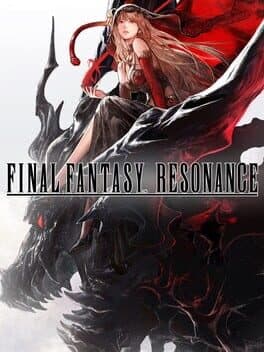
Final Fantasy Resonance game cover art

Final Fantasy Resonance

Time
MODERATE
Focus
MODERATE
Challenge
MODERATE
Intensity
LOW
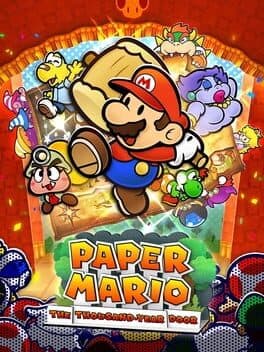
Paper Mario: The Thousand-Year Door game cover art
Great for winding downSatisfying to complete

Paper Mario: The Thousand-Year Door

Time
MODERATE
Focus
LOW
Challenge
LOW
Intensity
LOW
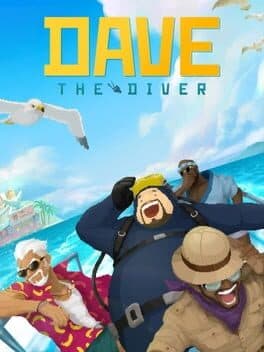
Dave the Diver game cover art
Satisfying to completeLighthearted & fun

Dave the Diver

Time
MODERATE
Focus
MODERATE
Challenge
MODERATE
Intensity
LOW
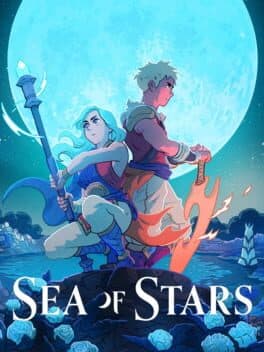
Sea of Stars game cover art
Great for winding downSatisfying to complete

Sea of Stars

Time
MODERATE
Focus
MODERATE
Challenge
MODERATE
Intensity
LOW
Octopath Traveler II game cover art
Great for winding down

Octopath Traveler II

Time
HIGH
Focus
MODERATE
Challenge
MODERATE
Intensity
LOW
← Back to Home