hello@slated.gg
Powered by IGDB•Privacy•Terms

© 2026 Slated.gg

Slated.gg
Popular GamesAboutDiscover Games
Final Fantasy VII Revelation

Square Enix • 2027 • Xbox Series X|S, Nintendo Switch 2, PC (Microsoft Windows), PlayStation 5
Story-driven
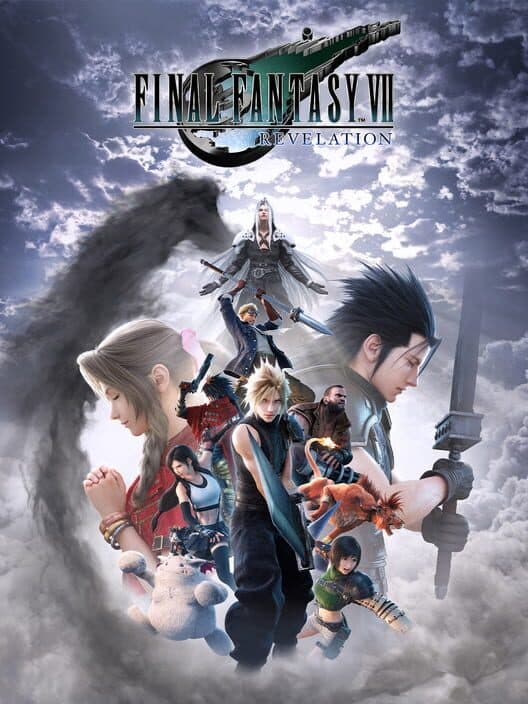
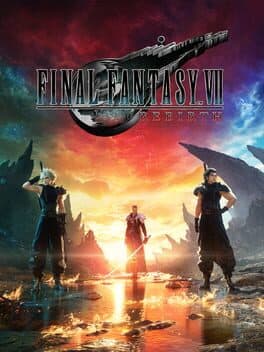
Final Fantasy VII Revelation cover art

Final Fantasy VII Revelation

Square Enix • 2027 • Xbox Series X|S, Nintendo Switch 2, PC (Microsoft Windows), PlayStation 5

Story-driven

Is Final Fantasy VII Revelation Worth It?

Based on current previews, Final Fantasy VII Revelation looks worth it if you loved the first two remake games and want a big, emotional payoff rather than a quick sprint to credits. The main appeal is easy to see: full-party combat, Highwind travel, and a world that finally feels planet-sized. It seems built to let you mix story beats with side trips, card matches, and character quests without losing the sense that you're heading toward a major ending. The trade-off is scale. This looks like a game that will gladly eat 40 to 60 hours, drown you in icons if you chase everything, and ask you to remember party builds, story threads, and menu systems between sessions. Buy at full price if the trilogy already matters to you or you love large, system-heavy adventures with spectacle. Wait for reviews or a sale if you bounced off Rebirth's side-content sprawl. Skip it if you want a short, low-friction game or you are not invested in Cloud's story.

What is Final Fantasy VII Revelation like?

Opinions of Final Fantasy VII Revelation

What Players Love

  • Players Love

    Highwind travel makes the world feel truly open

    Preview coverage keeps coming back to the same fantasy: fly anywhere, drop into regions by parachute, and make the planet feel connected in a way earlier entries could not.

  • Players Love

    Vincent, Cid, and FITS make battles feel fresh

    Early hands-on reports praise the expanded party and role-swapping setup for adding new rhythms to combat, especially for players who wanted more variety than before.

Common Concerns

  • Common Concern

    Map markers and side tasks may crowd the experience

    The biggest worry is not combat quality but sprawl. Several previews fear too many icons and optional chores could slow the story and make pacing feel bloated.

Divisive Aspects

  • Divisive

    Massive optional content excites some and overwhelms others

    Some players love the idea that one playthrough will not show everything, while others see that promise and immediately picture a huge time sink.

What does Final Fantasy VII Revelation demand from you?

Time

HIGH

Time

This is a big finale built for weeks of play, with decent nightly stopping points but enough optional content to constantly tempt one more detour.

HIGH

This is the kind of game you fit into your life over weeks, not something you finish in a long weekend. Based on current previews, a main-story run with a healthy sample of side content will likely land around 40 to 60 hours, with much more available if you chase everything. The good news is that the structure should work well enough in 60 to 90 minute chunks. Quests, chapter progress, travel stops, and likely generous saving all make it easier to end a session without losing much. The catch is temptation. A map full of icons, side quests, card matches, and character scenes can easily turn a planned short stop into another hour. Coming back after a break may also take some effort because this is a late-series story with layered party setups and a lot to remember. It asks for a long relationship and some self-control, then pays you back with scale, freedom, and the satisfaction of seeing a big journey through to the end.

Tips
  • Follow one main thread
  • Ignore excess map icons
  • Take notes before quitting

Focus

HIGH

Focus

You’ll juggle real-time dodging, tactical pauses, party setup, and world map choices, so most sessions want steady attention rather than half-listening.

HIGH

Most sessions look mentally busy in a good way. You are not just attacking and moving on. You are picking a destination, deciding whether tonight is for story or side content, checking party roles, adjusting magic and gear, then switching characters during fights while watching enemy pressure and stagger states. The real-time action keeps your hands active, but the command pause means the game also wants short bursts of planning. That mix asks you to stay present and makes this a poor fit for half-watching TV. If you drift, you will likely miss attack tells, lose track of your build, or forget why you flew to a region in the first place. The payoff is that battles should feel richer than a simple button-masher, and even routine sessions can give you the small pleasure of solving a problem with the right party setup. It asks you to keep several plates spinning, then pays you back with combat and exploration that feel smart, flexible, and varied.

Tips
  • Use Tactical Mode often
  • Keep a default party
  • Clear one region nightly

Challenge

MODERATE

Challenge

It looks medium-hard to learn because of layered combat and party builds, yet tutorials and forgiving retries should keep mistakes from feeling brutal.

MODERATE

On normal difficulty, this seems more medium than brutal. The main hurdle is not lightning-fast fingers. It is learning how all the moving parts work together. You will likely need several sessions to understand when to switch characters, how to build pressure and stagger, which party roles cover your weak spots, and which magic or ability setups solve a stubborn fight. If you played Remake or Rebirth, you should settle in much faster. If this is your first stop in the trilogy, the systems and story context may feel like a lot at once. The good news is that the design seems built to teach rather than punish. Side activities can be skipped or softened, retries should be quick, and single-player structure usually means experiments cost you minutes, not whole runs. It asks you to learn a layered battle system and a fair amount of menu planning, then pays you back with fights that feel more satisfying the smarter you play.

Tips
  • Learn stagger basics first
  • Specialize each party member
  • Skip side stuff freely

Intensity

MODERATE

Intensity

The mood stays charged with apocalyptic stakes and giant boss fights, but travel, menus, and side activities keep it from becoming nonstop panic.

MODERATE

This looks charged rather than exhausting. The world is falling apart, the story is racing toward a final showdown, and the big encounters seem designed to feel huge and dramatic. That creates real pressure during major fights and important story scenes. At the same time, this does not look like a horror game or a relentless punishment machine. You should get regular chances to breathe through travel, menus, side quests, card games, and quieter character moments. For many players, the stronger pull will be emotional investment rather than raw panic. If you already care about Cloud, Sephiroth, and the rest of the cast, the larger scenes may hit hard. If you are newer to the trilogy, the moment-to-moment feeling will likely come more from spectacle and boss danger than dread. It asks you to ride some stress and a lot of drama, then pays you back with the kind of big, cinematic highs that make a finale feel like a finale.

Tips
  • Lower minigame difficulty
  • Breathe between bosses
  • Do side quests between spikes

Frequently Asked Questions

Probably medium on normal difficulty, not punishingly hard. Based on previews, the tougher part will be learning its layered battle system rather than surviving impossible reflex tests. Regular fights should be manageable once you understand pressure, stagger, party switching, and when to spend abilities. Bosses are where the game will likely push back. They seem built around reading attack tells, changing characters, and bringing the right setup instead of brute-forcing with one favorite move. If you played Final Fantasy VII Remake or Rebirth, this should feel familiar and easier to settle into. If you are new to this trilogy, expect several hours of adjustment because there are a lot of menus, systems, and story threads all at once. It does not look like a Souls-style wall, and preview coverage suggests the team wants less friction around side content and minigames. Most players who can handle God of War, Horizon, or modern Final Fantasy on normal should be fine. People wanting very simple, low-menu combat may find it harder than the raw action suggests.

Based on current preview information, expect roughly 40 to 60 hours for a satisfying main run and about 75 to 110+ if you chase a large share of side content. That estimate is still provisional because the game is not out yet, but all signs point to something close to Rebirth in scale. The good news is that it should be playable in normal weeknight sessions. A lot of evenings will naturally break into one quest line, one region check-in, a few fights, and a story scene. If the expected manual saves and autosaves hold, stopping after 60 to 90 minutes should be realistic. The bigger issue is temptation, not structure. World markers, party upgrades, card games, and optional character content will make it easy to say yes to one more thing. If you mostly follow the main path, this is a long but manageable adventure. If you try to clear the map, it could become a months-long project.

Yes, but with clear caveats. This looks casual-friendly in schedule terms far more than in brain-off terms. Because it is single-player, with likely generous saves and no team obligations, you should be able to chip away at it in 60 to 90 minute sessions without much trouble. Quests, chapter beats, and world travel all seem to create usable stopping points. Where it becomes less casual is the mental load. This is a big late-series adventure with party setups, ability planning, story recap needs, and a map full of possible distractions. If you only play once every week or two, the return trip may feel rusty. If you play a few nights a week, it should be easier to stay in the flow. It also helps that side activities appear more flexible than before, with some minigames skippable or adjustable. So yes, you can fit it around a normal life. Just do not expect it to behave like a tiny comfort game you can drop for a month and instantly resume without friction.

Yes. This is built as a fully solo experience. All announced information points to a single-player adventure with AI-controlled party members and no need for co-op, matchmaking, guilds, or scheduled group content. That makes it much easier to fit into a busy week because your progress depends only on when you want to play. You can pause to handle real life, spend a session just cleaning up one quest chain, or ignore harder optional content without letting anyone else down. The only catch is that solo does not mean simple. You are still managing a full party, switching characters in combat, and keeping track of several systems at once. In other words, it asks for your attention, not your social calendar. If you prefer games you can experience entirely on your own terms, this is a strong fit. If you mainly want shared chaos with friends, this is clearly not trying to provide that.

No. Everything announced points to a standard buy-once single-player release, not a game built around competitive advantage sales. There are premium editions, bonus items, and a separate story expansion pass, but those do not create a pay-to-win problem because there is no PvP ladder, ranked environment, or shared economy to distort. At most, early bonus gear or summon perks may slightly smooth the opening hours, which is very different from selling power over other players. The real question is value, not fairness. If you are sensitive to deluxe editions and day-one extras, you may prefer to wait for the standard version or for a complete edition later. But from a design point of view, this does not look like a monetized grind machine. It looks like a big authored adventure with optional upsells attached. For most players, those extras should be easy to ignore without harming the core experience.

You Might Also Like

Games with a similar rhythm and feel, even if they look different
Explore more→
Final Fantasy VII Rebirth game cover art
Story-driven

Final Fantasy VII Rebirth

Time
HIGH
Focus
MODERATE
Challenge
MODERATE
Intensity
MODERATE
Dragon Age: The Veilguard game cover art
Story-driven

Dragon Age: The Veilguard

Time
MODERATE
Focus
MODERATE
Challenge
MODERATE
Intensity
MODERATE
Cyberpunk 2077: Phantom Liberty game cover art
Story-driven

Cyberpunk 2077: Phantom Liberty

Time
MODERATE
Focus
MODERATE
Challenge
MODERATE
Intensity
MODERATE
Ghost of Yotei game cover art

Ghost of Yotei

Time
MODERATE
Focus
MODERATE
Challenge
MODERATE
Intensity
MODERATE
Star Wars Jedi: Survivor game cover art

Star Wars Jedi: Survivor

Time
MODERATE
Focus
HIGH
Challenge
MODERATE
Intensity
MODERATE
Tainted Grail: The Fall of Avalon game cover art

Tainted Grail: The Fall of Avalon

Time
HIGH
Focus
MODERATE
Challenge
MODERATE
Intensity
MODERATE
← Back to Home