hello@slated.gg
Powered by IGDB•Privacy•Terms

© 2026 Slated.gg

Slated.gg
Popular GamesAboutDiscover Games
Expeditions: Samurai

THQ Nordic • 2026 • PC (Microsoft Windows)
Quick sessionsSatisfying to completePerfect for a weekend
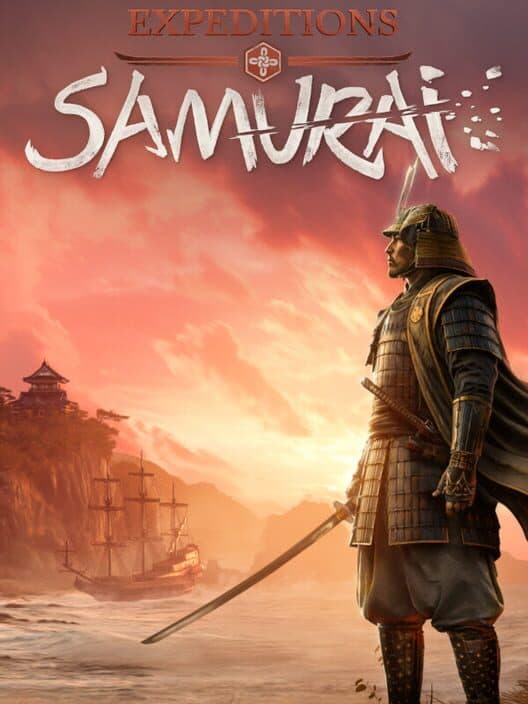
Expeditions: Samurai cover art

Expeditions: Samurai

THQ Nordic • 2026 • PC (Microsoft Windows)

Quick sessionsSatisfying to completePerfect for a weekend

Is Expeditions: Samurai Worth It?

Expeditions: Samurai is worth it right now if you want a compact, choice-heavy tactics adventure and you're comfortable buying into Early Access. What it already does well is easy to see: sneaking into camps, talking your way through political trouble, or turning a bad plan into a careful party fight all feel like part of the same larger roleplay. The short 6 to 8 hour opening act is actually a plus for time-starved players, because you can sample the full pitch without committing to a huge campaign. The catch is polish. Mouse-and-keyboard controls, menu flow, and stealth readability are the biggest weak spots, and those rough edges affect moment-to-moment play more than a small bug would. Buy at full price if you already like the Expeditions formula, enjoy tactical planning, and don't mind helping a promising game grow. Wait for a sale or later updates if you want smoother controls and the full campaign. Skip it for now if clunky interfaces quickly drain your patience, even when the underlying design is strong.

What is Expeditions: Samurai like?

Opinions of Expeditions: Samurai

What Players Love

  • Players Love

    The tactics, choices, and history still click together

    Supporters say the game already captures the series appeal: weighty decisions, voiced scenes, and satisfying tactical fights without feeling bloated in its opening act.

Common Concerns

  • Common Concern

    Mouse-and-keyboard controls feel awkward in almost every session

    The most common complaint is controller-leaning menu flow, clumsy right-click actions, and weak party overview tools, which add friction to nearly everything you do.

  • Common Concern

    Stealth and combat information can be hard to read

    Players often struggle to judge sightlines, ranges, and companion detection behavior, which makes the headline stealth-and-ambush play feel rougher than intended.

Divisive Aspects

  • Divisive

    The new visual style splits longtime series fans

    Some players enjoy the new 3D look and dialogue scenes, while others miss the older portrait style and feel the game lost some of its earlier charm.

  • Divisive

    Writing and companions are landing unevenly so far

    Voiced scenes and character writing work for many players, but some returning fans feel the crew bonds and introductions are weaker than they expected.

What does Expeditions: Samurai demand from you?

Time

LOW

Time

Right now it's a short opening chapter you can finish in a week, with clean quest-sized sessions and only moderate effort to pick up later.

LOW

Right now, this is a rare choice-driven game that does not demand a month of your life. Because the current release is only Act 1, most players can reach a satisfying stopping point in about 6 to 8 hours. That makes it easy to finish over several evenings, and the quest-based structure helps a lot. A single session can end cleanly after a conversation, an infiltration, or one major fight, so you usually feel progress without needing a marathon. It is also friendly to irregular schedules in solo play. Saving appears flexible, and the turn-based structure makes sudden interruptions easier to manage than in fast action games. The catch is coming back after a gap. If you take a week off, you may need a few minutes to remember party roles, quest context, and where the interface hides common actions. Co-op adds another scheduling layer, so solo is the smoother fit for most people. The bigger time caveat is not length but status: you are buying a short, unfinished opening chapter today, not the full planned campaign.

Tips
  • Plan for 60 to 90 minutes so you can finish a quest beat, an infiltration, or one major fight without rushing.
  • If you take a week off, spend five minutes checking gear, perks, and recent quest notes before moving the party.
  • Solo is the easiest fit for irregular schedules; co-op adds fun but also depends on another person's pace and save access.

Focus

MODERATE

Focus

Most sessions are thoughtful rather than frantic, with stealth scouting, dialogue choices, and turn planning asking for steady attention but rarely split-second hands.

MODERATE

This game asks for steady, active attention, but not the kind that comes from twitch combat. Most of your focus goes into reading a situation before it explodes: who should speak, who can sneak, where enemies can see, and how to place your party if diplomacy fails. Once a fight starts, the turn-based structure gives you time to think through movement, attacks, and interruptions, which lowers hand stress but raises planning load. For a busy player, the key question is whether this works as a second-screen game. Usually, no. Dialogue choices matter, stealth can break if you drift, and the current interface seems rough enough that half-attention will create avoidable mistakes. The upside is that the game pays you back with satisfying problem-solving. A good session feels like solving a small military and social knot, then seeing your decisions echo into the next scene. If you enjoy careful setups more than fast reactions, it asks for presence and thought, then rewards that effort with control and consequence.

Tips
  • Start by checking the quest log and party screen so you remember who handles talking, sneaking, and frontline fighting.
  • Before entering hostile spaces, zoom out and study sightlines; a slow setup usually saves more time than fixing a bad ambush.
  • Treat conversations as setup, not filler, because the right speaker can avoid a fight or make the next encounter easier.

Challenge

MODERATE

Challenge

The basics click within a few evenings, but awkward menus and fuzzy stealth feedback mean comfort arrives slower than the short campaign length suggests.

MODERATE

The learning curve is noticeable, but it is not the kind that demands weeks of practice. Most players should understand the basic loop within a few evenings: talk when talk helps, sneak when sneak helps, and open combat from a position that favors your party. The real hurdle is getting comfortable with how the game communicates rules. Early feedback points to awkward mouse-and-keyboard flow, fuzzy stealth feedback, and tactical information that is not always surfaced cleanly. That means the game asks you to learn two things at once: its intended systems and its current Early Access roughness. The good news is that success depends much more on patience and planning than on speed or exact button skill. If you like testing approaches, reading the field, and tweaking party roles, the process is rewarding. If you want everything to feel clean immediately, the onboarding may annoy you before it impresses you. In return for that early friction, you get a compact opening chapter where each improvement in understanding quickly makes the next session smoother.

Tips
  • Keep your early party plan simple: one talker, one scout, and two reliable fighters make the systems easier to read.
  • Use the first quests to test sightlines, detection, and interrupts before you commit to harder stealth-heavy setups.
  • Expect the interface to slow you down at first; repeating common actions builds comfort faster than constant respecs or party swaps.

Intensity

MODERATE

Intensity

Pressure comes in waves: tense infiltrations and risky fights, then calmer story scenes that let you breathe before the next important choice.

MODERATE

The emotional pull here sits in the middle. It is serious, tense, and sometimes messy, but it is not built to keep your heart racing every minute. The pressure comes from sneaking through dangerous spaces, managing party risk, and making choices that feel politically or personally costly. When a stealth plan collapses and combat begins, you get a real spike of tension because your earlier decisions suddenly matter. What keeps it from becoming draining is the rhythm. Conversations, loadout tweaks, and turn-based planning break up the sharper moments, so the game breathes instead of pressing nonstop. Failure also looks more like a bad turn, a harder fight, or lost time than total disaster, which softens the emotional punishment. The main thing that can push the mood from tense to frustrating is the current roughness around menus and readability. Played in the right mood, it delivers satisfying stakes without becoming oppressive. Played when you're already tired or impatient, its rough edges can feel heavier than the drama itself.

Tips
  • If stealth goes wrong, stop and reset your plan instead of chasing a perfect infiltration after the situation already turned messy.
  • End sessions after a major conversation or encounter; stopping on a clear beat keeps the rough edges from feeling heavier.
  • Play this when you can give it real attention, not as a half-watched background game on a busy evening.

Frequently Asked Questions

Expeditions: Samurai is moderately hard, and most of that difficulty comes from planning and readability rather than raw reflexes. Think closer to a story-heavy tactics game than a fast action game. You need to understand positioning, sightlines, who should do the talking, and how to open fights on your terms. Once combat starts, the turn-based structure gives you time to think, so the game rarely asks for split-second inputs. What may make it feel harder than it should right now is the Early Access roughness. Several players report awkward mouse-and-keyboard controls, unclear stealth feedback, and menus that slow down simple actions. That means the challenge can come from the interface as much as the enemies, especially in your first few hours. If you've handled games like XCOM, Divinity: Original Sin 2, or Expeditions: Rome on a normal setting, you'll likely adapt. If you want clean, friction-free controls from minute one, this may feel tougher than its actual combat design suggests.

Right now, Expeditions: Samurai takes about 6 to 8 hours to finish because the version on sale is only its first act. If you poke into side content, test different party builds, or reload key decisions, you may land closer to 8 to 10 hours. That makes it much easier to fit into a busy week than most long-form choice-driven games. It also breaks into manageable sessions. A solid night usually means one quest step, one important conversation, or one major tactical fight, so 60 to 90 minutes feels productive instead of cramped. Available information points to very flexible saving, which helps a lot if life pulls you away mid-evening. The bigger time cost is mental, not raw hours: if you step away for a week, expect to spend a few minutes remembering your party roles, recent choices, and the menu flow. One run is enough to understand the current pitch, but a second run can show very different approaches.

Expeditions: Samurai is moderately tense, but it is not an exhausting or panic-heavy game. The main pressure comes from stealth sections, risky political choices, and tactical fights where a bad opening can snowball. You feel stakes, not constant adrenaline. The game gives you breathing room through dialogue scenes, planning phases, and turn-based combat, so your pulse has time to settle between trouble spots. The good stress here is the fun kind: scouting a camp, setting up an ambush, and seeing a careful plan work. The bad stress mostly comes from Early Access roughness. Unclear sightlines, awkward controls, and clunky menus can make a manageable encounter feel more frustrating than dramatic. If you enjoy thinking through a situation and living with the outcome, the tension adds flavor. If you play games to fully switch off or multitask, this is not a great fit. It plays best when you can give it a focused hour and let the story and tactics carry the mood.

Yes, Expeditions: Samurai is absolutely playable solo, and solo is likely the best fit for most people right now. Even though full-campaign co-op exists, the game is sold and structured first as a single-player experience. A solo run lets you control the pace, make party and story decisions yourself, and stop when real life calls without coordinating with another person. Solo play also makes the systems easier to read. In a game where stealth setup, positioning, dialogue choices, and loadouts all matter, having one person own the whole plan can actually feel cleaner than sharing every call. Co-op sounds appealing because it can create fun tactical moments, but it also adds negotiation, scheduling, and host-save dependence. For a short Early Access act, that extra layer may not be worth it unless you already have a partner who likes story-heavy tactics games. Co-op is a bonus way to play, not the main attraction.

No. Expeditions: Samurai is a normal one-time purchase, and the reviewed materials show no signs of boosters, premium gear packs, battle passes, paid power, or locked progression shortcuts. What you buy is the current Early Access build, which includes the first act and carries your save forward into later updates. That matters because some unfinished games use extra purchases to smooth grind or speed progress. There is no sign of that here. If the game feels rough, the issue is interface and stealth readability, not monetization pressure. Everyone is working from the same core systems, classes, companions, and story routes inside the base purchase. The only real buying caveat is not fairness but completeness: you are paying for an unfinished opening chapter today, with the fuller campaign planned for later. So the real question is not whether other players can buy an advantage, but whether you want to buy in now or wait for a more complete version.

You Might Also Like

Games with a similar rhythm and feel, even if they look different
Explore more→
Solasta II game cover art
Satisfying to completeQuick sessions

Solasta II

Time
LOW
Focus
MODERATE
Challenge
MODERATE
Intensity
MODERATE
Wasteland 3 game cover art
Story-driven

Wasteland 3

Time
HIGH
Focus
MODERATE
Challenge
MODERATE
Intensity
MODERATE
Death Stranding game cover art
Story-driven

Death Stranding

Time
MODERATE
Focus
MODERATE
Challenge
MODERATE
Intensity
MODERATE
Wasteland 2 game cover art

Wasteland 2

Time
HIGH
Focus
MODERATE
Challenge
MODERATE
Intensity
MODERATE
Pillars of Eternity game cover art
Story-driven

Pillars of Eternity

Time
HIGH
Focus
HIGH
Challenge
HIGH
Intensity
MODERATE
Fallout: A Post Nuclear Role Playing Game game cover art
Story-driven

Fallout: A Post Nuclear Role Playing Game

Time
MODERATE
Focus
MODERATE
Challenge
MODERATE
Intensity
MODERATE
← Back to Home