Tactical Adventures • 2026 • PC (Microsoft Windows)
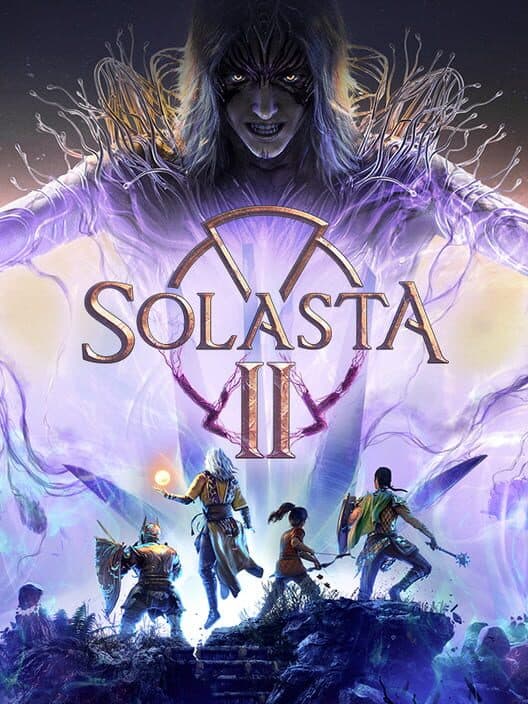
Yes, if what you want right now is smart party combat and you can live with Early Access rough edges. Solasta II already does the hard part well: fights feel like digital tabletop battles where position, spell use, and a little dice drama matter every turn. The current release is also a manageable size. You can see the core appeal in 10 to 15 hours, which makes it easier to fit into a normal week than a huge fantasy epic. The catch is polish. Menus can feel busy, the writing tone is divisive, and technical issues are a real part of the launch experience. Buy at full price if crunchy tactics are your main draw and you do not mind being part of an unfinished game. Wait for a sale or for 1.0 if you want a smoother interface, a finished story, and fewer reload-required problems. Skip it if you mainly want fast action, breezy progression, or a story-first adventure. Right now, the combat is worth following. The package around it still needs time.

Tactical Adventures • 2026 • PC (Microsoft Windows)
Yes, if what you want right now is smart party combat and you can live with Early Access rough edges. Solasta II already does the hard part well: fights feel like digital tabletop battles where position, spell use, and a little dice drama matter every turn. The current release is also a manageable size. You can see the core appeal in 10 to 15 hours, which makes it easier to fit into a normal week than a huge fantasy epic. The catch is polish. Menus can feel busy, the writing tone is divisive, and technical issues are a real part of the launch experience. Buy at full price if crunchy tactics are your main draw and you do not mind being part of an unfinished game. Wait for a sale or for 1.0 if you want a smoother interface, a finished story, and fewer reload-required problems. Skip it if you mainly want fast action, breezy progression, or a story-first adventure. Right now, the combat is worth following. The package around it still needs time.
Even players with mixed overall impressions usually praise the turn-based fights. Clear hit odds, positioning, and resource choices make battles feel smart and satisfying.
A common complaint is that actions, inventory, and information take too many clicks or feel visually crowded, especially for mouse-and-keyboard players.
Some players enjoy the voiced chatter and stronger personalities, while others feel the jokes and overall tone pull them out of the world.
Players often point to better visuals, stronger scene framing, and the hex travel map as signs this sequel feels bigger and more modern than its predecessor.
Reports of combat stalls, reload-required progression problems, blur, performance dips, and launch instability are a major reason the current mood is mixed.
Even players with mixed overall impressions usually praise the turn-based fights. Clear hit odds, positioning, and resource choices make battles feel smart and satisfying.
Players often point to better visuals, stronger scene framing, and the hex travel map as signs this sequel feels bigger and more modern than its predecessor.
A common complaint is that actions, inventory, and information take too many clicks or feel visually crowded, especially for mouse-and-keyboard players.
Reports of combat stalls, reload-required progression problems, blur, performance dips, and launch instability are a major reason the current mood is mixed.
Some players enjoy the voiced chatter and stronger personalities, while others feel the jokes and overall tone pull them out of the world.
The current build is a compact 10 to 15 hour slice that pauses easily, though returning after a break means rebuilding your mental context.
Right now, Solasta II is easier to fit into a normal life than most big fantasy campaigns because the current Early Access build is a contained 10 to 15 hour slice. That means you can actually reach a satisfying stopping point in a couple of weeks instead of signing up for months. A typical session also fits well into 60 to 90 minutes. One serious battle, some travel, a quest update, and a bit of inventory cleanup feels like real progress. The game is kind to interruptions in the moment, too. It is single-player, turn-based, pause-friendly, and supports flexible saving, so dinner, kids, or a work message do not instantly ruin a run. The bigger time cost shows up when you come back after several days away. You may need a short refresher on your party build, spell setup, and journal before you feel sharp again. In exchange, the game gives you a compact but meaty campaign slice, no social scheduling pressure, and a play rhythm that works well as long as you do not leave it untouched for too long.
This is thoughtful party play, not quick-finger action, with most of your attention spent on positioning, spell use, and reading fights before you commit.
Solasta II asks you to be present in a thoughtful way, not a twitchy one. Most of your attention goes into reading a battlefield: who has line of sight, who has the height advantage, what spell is worth spending, and whether this is the turn to play safe or gamble on the dice. Because combat is turn-based, the game gives you room to think, and that makes it much friendlier to tired weeknight play than fast action games. The tradeoff is that you can't really half-play it. Even when the pace is slow, each party turn carries enough weight that zoning out can waste resources or expose a weak character. Outside fights, the load eases. Travel, events, and quest handling are gentler, though they still ask you to keep the map and your party state in mind. In return for that steady attention, the game delivers satisfying small decisions almost every battle and the pleasant feeling of solving problems with planning instead of speed.
The rules take a few sessions to click, especially for newcomers, yet the game becomes much smoother once party roles and spell use make sense.
Solasta II asks for a real onboarding period, especially if party-based fantasy tactics are not already your comfort food. You need to understand how classes fit together, what prepared spells actually do, how movement and height change a fight, and when saving resources matters more than winning fast. None of that is impossible, but it does mean the first few hours can feel dense. The good part is that the game teaches through repetition. You see the same kinds of tradeoffs again and again, and once the basic combat language clicks, the rest starts to feel much more readable. This is closer to learning Baldur's Gate 3 on normal than learning something brutally opaque or wiki-required. Mistakes still cost time, because battles can run long, but reloads and flexible saves soften the blow. In return for that front-loaded learning, the game delivers a satisfying sense of growth. You don't just get stronger numbers. You start making cleaner plans, using your party with purpose, and spotting good turns before the game has to explain them.
The pressure comes from bad dice, long battles, and shrinking resources, but turn-based pacing keeps it tense and controlled instead of flat-out frantic.
Solasta II feels tense more than frantic. It asks you to live with uncertainty, because the dice can turn a smart plan into a scramble, and long encounters make every bad choice or missed hit feel expensive. Spell slots, exhaustion, and limited resting add pressure, so there is a real sense of stakes when a fight starts to slide. The good news is that the stress comes in a controlled form. Since you can stop, think, and usually save, the game rarely creates that shaky, heart-racing panic you get from horror games or fast action bosses. For many players, that makes it a better fit for evenings when you want challenge without pure sensory overload. The rougher part is Early Access instability. A difficult battle feels fairer than a stalled combat or reload-required bug, and some frustration right now comes from that layer rather than the rules alone. What you get in exchange is a strong sense that wins are earned. When a bad position gets rescued by a clever spell or a risky attack lands at the right moment, the payoff is excellent.
Games with a similar rhythm and feel, even if they look different