hello@slated.gg
Powered by IGDB•Privacy•Terms

© 2026 Slated.gg

Slated.gg
Popular GamesAboutDiscover Games
Eternal Anima

Marvelous • 2027 • Xbox Series X|S, Nintendo Switch 2, PC (Microsoft Windows), PlayStation 5
Satisfying to completeStory-driven
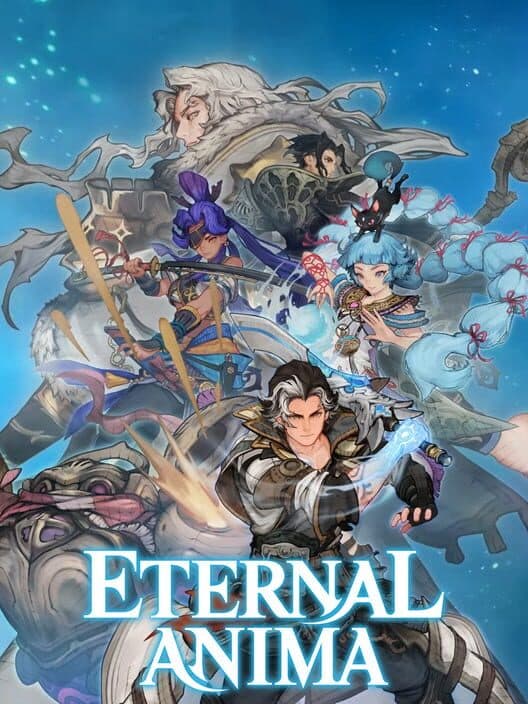
Eternal Anima cover art

Eternal Anima

Marvelous • 2027 • Xbox Series X|S, Nintendo Switch 2, PC (Microsoft Windows), PlayStation 5

Satisfying to completeStory-driven

Is Eternal Anima Worth It?

Eternal Anima looks worth watching closely if you want a story-first adventure with smart turn-based battles, but it is still more of a cautious day-one pick than a blind full-price recommendation because the game is unreleased. What stands out is the battle hook: seeing enemy intentions ahead of time and changing the future instead of reacting after the damage is done. That could make fights feel more thoughtful and fair than a lot of older menu-driven adventures. The time-travel story, class inheritance, and strong solo structure also make it easy to see the appeal for people who like steady weeknight progress. The main caution is polish. Pre-release interest is real, but so is the question of whether the full campaign keeps its pacing, challenge, and presentation consistent. Buy at full price if the previews already match your tastes and early reviews confirm the landing. Wait for a sale if you like the concept but want proof. Skip it if you want open-ended freedom, constant spectacle, or barely-there combat decisions.

What is Eternal Anima like?

Opinions of Eternal Anima

What Players Love

  • Players Love

    The Future Sight battle idea is grabbing attention fast

    Preview chatter keeps coming back to the same feature: seeing enemy plans before they happen. People think that forecast-and-rewrite loop could give battles real identity.

  • Players Love

    The creative pedigree gives the project instant credibility

    A lot of early goodwill comes from the team behind it. For many players, the names attached to the project make the pitch feel worth paying attention to.

  • Players Love

    Its retro-modern look clicks with classic adventure fans

    The readable, throwback-inspired art is a plus for players who miss older story adventures and like something that looks comfortable on handheld-style play.

Common Concerns

  • Common Concern

    People want proof the full package feels polished

    The biggest hesitation is simple: no one knows yet if the full release will keep its pacing, encounter quality, and overall finish consistent from start to end.

Divisive Aspects

  • Divisive

    The throwback visuals charm some and undersell it for others

    Some people find the lower-key visuals charming and easy to read, while others worry the presentation may feel modest next to bigger-budget releases.

What does Eternal Anima demand from you?

Time

MODERATE

Time

Best for regular weeknight sessions: a full story journey with decent stop points, solid solo play, and some recap friction after time away.

MODERATE

For a story-driven game, this looks reasonably manageable for a busy schedule. The main path will likely land somewhere around the mid-20s to mid-30s in hours, with more time if you chase side content or spend a lot of time tuning classes. That makes it a multi-week game, not a forever game. Just as important, it seems built for solo play and regular weeknight sessions. Towns, camps, save points, post-boss breaks, and menu time should create decent places to stop, even if dungeons and cutscene chains sometimes tempt you to push a little longer. Manual saving is a strong sign, though pre-release info still leaves some uncertainty about exactly how free saving is in the field. The main friction comes when you return after a break. Because the story jumps across eras and your party setup matters, you may need a few minutes to remember your objective and why you equipped certain skills. If you play once or twice a week, that should be manageable. If you disappear for a month, expect some rust.

Tips
  • Aim for 60 to 90 minute sessions so you can finish a story beat or dungeon chunk without rushing.
  • Before quitting, save after menu cleanup rather than before it; future-you will re-enter much faster next time.
  • If you take a week off, spend the first few minutes checking objectives, equipment, and inherited skills before starting a major fight.

Focus

MODERATE

Focus

Most of the time you're reading battle forecasts, weighing skill choices, and following story clues, with enough quiet travel in between to keep it from feeling relentless.

MODERATE

Eternal Anima looks like a game that asks for steady attention, then pays that back with fights you can actually think through. Most of the real work seems to happen in combat, where Future Sight shows incoming enemy actions and asks you to choose whether to defend, interrupt, delay, or punish weaknesses. That means your brain is usually busy with judgment calls, not button speed. The good news is that the load should rise and fall. Towns, travel, and story scenes create breathing room, and routine encounters likely will not feel as demanding as boss fights. This does not look like a great second-screen game, though. If you drift during cutscenes or come back half-distracted, you'll miss plot context and forget why your current build works. In return for that attention, the game seems likely to deliver a satisfying rhythm: quieter exploration and story, then bursts of tactical planning where a smart choice can rewrite a bad-looking turn into a winning one.

Tips
  • End each session in a town or camp, then make a quick note about your next destination and current class setup.
  • Treat ordinary battles as practice for bosses by watching how forecasts change when you defend, delay, or hit weaknesses.
  • If you're tired, spend that session on story and menu cleanup instead of pushing into a new dungeon stretch.

Challenge

MODERATE

Challenge

You probably won't bounce off the basics, but the battle system and class inheritance should take a few evenings before they really click.

MODERATE

The basics should be approachable, but the game probably has a real learning phase before it feels natural. Moving around towns and dungeons, picking commands, and following the story should come easily if you've played any modern turn-based adventure. The trickier part is understanding why one choice is better than another when Future Sight, turn delays, weaknesses, and inherited classes start interacting. That learning is likely where the game earns its appeal. It asks you to spend a few evenings experimenting, reading tooltips, and noticing what makes a forecast go from bad to manageable. In return, it seems set up to deliver satisfying 'I get it now' moments instead of obscure, wiki-dependent confusion. It also looks fairly kind about mistakes. Adjustable difficulty and manual saving suggest that most failures will cost you a retry and maybe a build rethink, not hours of lost progress. Expect more thoughtful setup work than a breezy comfort game, but less harshness than the tougher strategy-heavy classics.

Tips
  • Stick with one or two class ideas at first so you learn cause and effect before trying every inheritance option.
  • After a loss, change one part of the plan like turn delay, weakness coverage, or defense timing instead of rebuilding everything.
  • Read battle forecasts out loud or mentally summarize them; it helps turn information into a clear plan faster.

Intensity

LOW

Intensity

This looks more thoughtful than nerve-racking: serious themes, some boss pressure, and steady stakes without the constant panic of horror or fast action games.

LOW

This looks more serious than stressful. The world setup is heavy: persecution, banned hope, lost history, and civilizations in danger. That gives the story emotional weight, but the moment-to-moment play should be calmer than the premise sounds because combat is turn-based and Future Sight reduces surprise. You are not being chased, timed, or asked to react in panic. Instead, the pressure probably comes in waves during bosses and tougher dungeon stretches, when a bad setup or missed weakness could spiral into a wipe. For most people, that is good pressure, not exhausting pressure. It asks you to care about the stakes and stay composed when a forecast looks ugly, then rewards you with the relief of turning that outcome around through planning. If you like story-heavy adventures and mid-level challenge, this should feel engaging rather than punishing. If you only want very cozy, low-stakes play before bed, the darker themes and boss focus may feel heavier than you want.

Tips
  • Use a lower difficulty early if boss pressure keeps you from learning the forecast system; understanding the loop matters more than pride.
  • When a forecast looks disastrous, slow down and solve one threat at a time instead of trying to fix the whole turn at once.
  • Save before longer dungeon pushes so a tough miniboss feels like a learning step, not a night-ending setback.

Frequently Asked Questions

Eternal Anima looks like a medium-difficulty game, with harder spikes around bosses rather than constant punishment. Based on the preview material, the challenge comes from reading enemy forecasts, managing turn order, exploiting weaknesses, and building a party that actually works together. That is a very different kind of difficulty from fast action games. It does not seem demanding on reflexes, but it may punish autopilot play. The good news is that it also looks easier to learn than harsher turn-based games like Shin Megami Tensei V, because the Future Sight system shows more information up front. Basic competence should come within a few sessions, while real comfort with class inheritance and smarter boss planning may take longer. Adjustable difficulty should help smooth rough spots, though it probably will not remove the need to understand the core battle ideas. If you enjoy Persona, Octopath Traveler, or classic JRPG boss fights, this should feel manageable. If you dislike menus, build tinkering, or losing because you misunderstood a system, it may feel tougher than its visuals suggest.

Expect roughly 25-35 hours for the main story, and closer to 40-50 hours if you do a healthy amount of side content and spend time experimenting with class setups. Those numbers are still estimates because the game is not out yet, but everything shown so far points to a full-length story journey rather than a tiny weekend release or an endless hobby game. The good fit is 60-90 minute sessions. Towns, camps, menu breaks, and likely manual saves should make it fairly easy to stop, even if dungeons and story scenes sometimes pull you into one more stretch. If you focus mostly on the main path, you could finish in about three to five weeks at 10 hours a week. If you poke into extras or really enjoy build experimentation, it could easily last longer. This looks like a complete, satisfying solo campaign, not the kind of game that expects months of daily upkeep just to feel like you saw what it offers.

Eternal Anima looks more thoughtfully tense than truly stressful. The story setup is serious, and boss fights will probably create real pressure when a bad forecast shows your party about to get punished. But because battles are turn-based and the game shows enemy intent ahead of time, the feeling should be closer to careful problem-solving than panic. That is good stress for a lot of players: you feel invested, you make a plan, and you get the satisfaction of turning a dangerous turn into a winning one. The bad kind of stress seems less likely here. There is no sign of online pressure, harsh time limits, jump scares, or reflex-heavy chaos. Manual saving and adjustable difficulty should also reduce frustration when a fight goes wrong. This seems like a solid evening game when you want to be engaged but not overwhelmed. If you want pure comfort play before bed, the darker themes and tactical bosses may feel a bit heavier. If you want challenge without adrenaline overload, it looks well pitched.

Yes. Eternal Anima is built for solo play, and that also makes it look fairly friendly to a stop-start schedule. Everything official points to a one-person, offline adventure with manual saving, which is exactly what helps when life interrupts. You should be able to make progress in normal weeknight sessions without needing friends online, raid times, or long uninterrupted blocks. The main caveat is not social pressure, but memory. Because the story spans different eras and your build choices matter, coming back after a week may take a few minutes of reorientation. You'll probably check the current objective, look over your skills, and remind yourself why your setup works before diving back in. That is manageable, but it is not as frictionless as a simple action game or a cozy life sim. So yes, you can absolutely play it casually in terms of schedule. Just expect it to reward regular, attentive sessions more than half-distracted play with the TV or phone competing for your attention.

No. Based on everything officially shown so far, Eternal Anima is a straightforward one-time purchase with no pay-to-win systems. The announced deluxe and limited editions add extras like an art book and soundtrack, not stronger gear, faster progression, or any kind of paid power. There is also no sign of gacha, battle passes, premium currencies, or store items that would change combat balance. That matters here because the battle system looks built around planning and class choices, and those kinds of games feel much better when success comes from understanding the mechanics instead of spending money. The only caution is the obvious one: the game is still unreleased, so any final monetization check technically depends on launch. But right now, the official pages point to the cleanest possible setup. If you avoid games that nickel-and-dime you or make progression feel like a storefront funnel, this one currently looks safe. Unless something changes before launch, this is not a pay-to-win release.

You Might Also Like

Games with a similar rhythm and feel, even if they look different
Explore more→
Octopath Traveler II game cover art
Story-driven

Octopath Traveler II

Time
HIGH
Focus
MODERATE
Challenge
MODERATE
Intensity
LOW
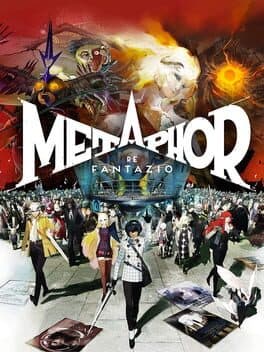
Metaphor: ReFantazio game cover art
Story-driven

Metaphor: ReFantazio

Time
HIGH
Focus
MODERATE
Challenge
MODERATE
Intensity
MODERATE
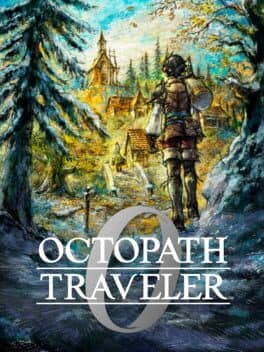
Octopath Traveler 0 game cover art
Story-driven

Octopath Traveler 0

Time
HIGH
Focus
MODERATE
Challenge
MODERATE
Intensity
LOW
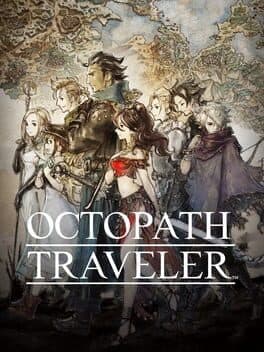
Octopath Traveler game cover art

Octopath Traveler

Time
HIGH
Focus
MODERATE
Challenge
MODERATE
Intensity
LOW
Persona 3 Reload game cover art
Story-driven

Persona 3 Reload

Time
HIGH
Focus
MODERATE
Challenge
MODERATE
Intensity
LOW
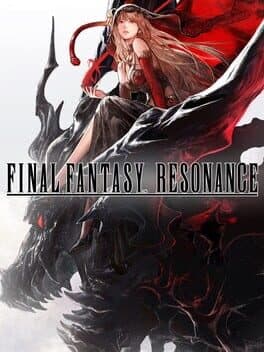
Final Fantasy Resonance game cover art
Story-driven

Final Fantasy Resonance

Time
MODERATE
Focus
MODERATE
Challenge
MODERATE
Intensity
LOW
← Back to Home