hello@slated.gg
Powered by IGDB•Privacy•Terms

© 2026 Slated.gg

Slated.gg
Popular GamesAboutDiscover Games
Exodus

Wizards of the Coast • 2027 • Xbox Series X|S, PC (Microsoft Windows), PlayStation 5
Satisfying to completePerfect for a weekendStory-driven
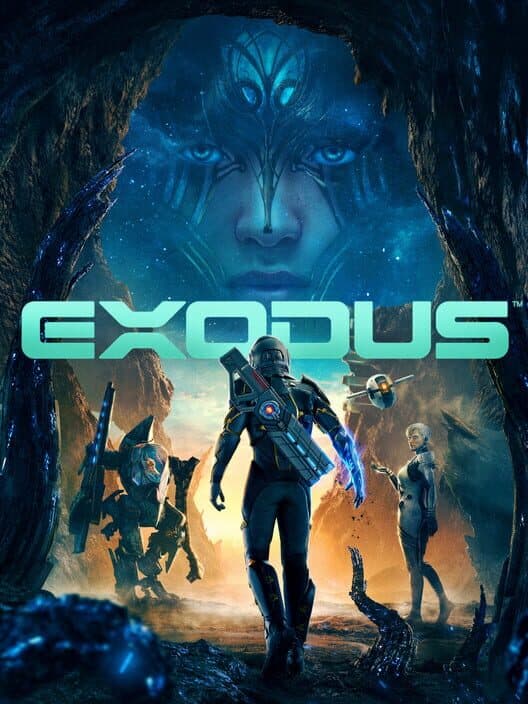
Exodus cover art

Exodus

Wizards of the Coast • 2027 • Xbox Series X|S, PC (Microsoft Windows), PlayStation 5

Satisfying to completePerfect for a weekendStory-driven

Is Exodus Worth It?

Based on current footage, Exodus looks promising if you miss big companion-driven sci-fi stories, but it's not a blind preorder for time-conscious players. Its best hook is easy to see: you get squad combat, relationship drama, and a time-dilation idea that can make your choices echo years later. If that lands, the game could deliver the kind of personal, crew-focused campaign people have been asking for. It also seems built in a fairly manageable way, with a hub, outbound missions, full pause, and no multiplayer obligations. The catches are important, though. Pre-release footage still looks rough in spots, and a lot of the final feel depends on polish, pacing, and whether the combat rises above familiar cover-shooter roots. Buy at full price if launch reviews confirm strong writing, solid performance, and meaningful consequences. Put it on your list and wait for reviews if you like the premise but need proof. Skip it if you want fast, frictionless action or something you can ignore for weeks and instantly remember.

What is Exodus like?

Opinions of Exodus

What Players Love

  • Players Love

    Players are hungry for a modern squad-based sci-fi adventure

    Early reactions keep coming back to the same wish: a big crew-focused space story with party banter, companion drama, and missions built around relationships.

  • Players Love

    Time-dilation choices give the story its own identity

    The most praised idea is that time passes differently while you travel, letting decisions reshape people and places years later instead of only changing the next scene.

Common Concerns

  • Common Concern

    Many worry it feels too close to older favorites

    A common concern is that the combat, structure, and overall vibe look very familiar, which raises questions about whether the game will feel distinct enough on its own.

  • Common Concern

    Pre-release footage still looks rough around the edges

    Viewers often mention animations, encounter flow, or general polish looking unfinished. That is normal before launch, but it still makes some people cautious.

Divisive Aspects

  • Divisive

    Deliberate squad-RPG pacing will split some action-first players

    Players who want planning, dialogue, and companion management seem excited, while others think the slower setup and mission rhythm may feel too measured.

What does Exodus demand from you?

Time

MODERATE

Time

The mission rhythm should fit weeknights fairly well, but the story web and companion choices may make long breaks harder than the save system itself.

MODERATE

Right now, Exodus looks reasonably workable for weeknight play, with a few asterisks. The hub-and-mission structure should create better stopping points than a giant seamless world, and reported full pause support is a big plus if life interrupts. A typical satisfying session may be one mission beat, a major fight, or a return to Persepolis for companion scenes and shopping. That part sounds friendly. The tradeoff is that this still appears to be a substantial story game. One complete run will likely ask for several weeks of regular play, and long gaps may leave you fuzzy on relationships, build choices, and what your last major decision set in motion. The good news is there are no co-op schedules, raid nights, or ranking grinds to keep up with. It asks for regular solo time and a bit of memory, then gives back a campaign that feels shaped by your version of Jun and your chosen crew. Just expect better results from steady momentum than from once-a-month check-ins.

Tips
  • Try to stop after returning to Persepolis instead of mid-mission; you'll come back with better context and a clearer next objective.
  • After any long break, spend five minutes checking quests, gear, and companion notes before launching into a major story mission.
  • Plan for a regular cadence, even one or two nights a week, because this kind of campaign benefits from remembering recent choices.

Focus

MODERATE

Focus

Most sessions should ask for steady attention, with calm hub planning between readable cover fights, dialogue choices, and route decisions that reward staying present.

MODERATE

Based on footage and previews, Exodus looks like a game that asks for steady, active attention rather than nonstop panic. A typical session seems to bounce between calm hub planning and much tighter mission play. In Persepolis, you'll read conversations, pick two companions, tweak gear, and decide whether you're approaching the next job quietly or loudly. Once boots hit the ground, the mental ask shifts to tracking cover, enemy angles, weak points, cooldowns, and where your squad can help most. That means it probably won't work well as a second-screen game during missions. The good news is it also doesn't look like pure overload. The spaces shown so far seem readable, and the action is closer to measured cover shooting with powers than lightning-fast chaos. In plain terms, it asks you to stay present and make frequent medium-stakes calls, then pays that effort back with fights that feel tactical and conversations that seem to carry real weight.

Tips
  • End sessions in Persepolis when possible so your next return starts with clear context, fresh dialogue, and a cleaner path to the next mission.
  • Pick a favorite companion pair early instead of constantly reshuffling; fewer moving parts makes combat and story choices easier to track.
  • If stealth clicks for you, scout first and spend abilities deliberately instead of treating fights like a run-and-gun shooter.

Challenge

MODERATE

Challenge

It looks approachable within a few sessions, but getting comfortable with builds, squad pairings, and stealth-versus-assault planning should take a little practice.

MODERATE

Everything shown so far suggests a manageable start with room to grow. If you've played modern action RPGs, cover shooters, or squad-based story games, the basics should feel familiar within a few sessions. Moving, shooting, taking cover, and using powers do not look especially strange or opaque. The extra learning comes from the layers around that foundation: companion roles, weapon modes, stealth routes, alignment paths, and deciding when to spend abilities versus save them. That means the game likely asks for some early patience while the pieces click together, then rewards you with more satisfying fights and better role-playing choices once you understand how your crew fits. It does not currently read like a game that wants you to study guides for ten hours before having fun. The bigger question is polish, because unfinished previews make it hard to judge how cleanly tutorials, balance, and feedback will land at release. For now, the safest read is medium difficulty with a friendly enough ramp for most people who enjoy story-first action games.

Tips
  • Stick with one playstyle early, like cautious cover fighting or stealth, before branching into more experimental builds and companion combinations.
  • Treat the first few hours as onboarding and learn what each companion actually contributes instead of chasing the perfect build too soon.
  • When a fight goes badly, change your approach or squad mix first; this kind of game often rewards planning more than raw aim.

Intensity

MODERATE

Intensity

Expect steady space-drama pressure with combat spikes and some emotional weight, not the constant adrenaline of horror games or brutally punishing action.

MODERATE

This looks like medium pressure rather than a nerve-shredding ordeal. The action should bring short spikes of stress when firefights go loud, when stealth breaks, or when a big encounter demands smart use of powers and squad abilities. Outside those moments, the hub-and-mission rhythm seems built to let you breathe. The heavier pull may come from the story. Time dilation, companion bonds, romance, and the idea that people change while you're gone give choices an emotional sting that goes beyond winning the next fight. That sounds more reflective and bittersweet than frightening. In other words, the game seems to ask you to care about outcomes and handle occasional combat pressure, then reward that investment with dramatic payoff and a stronger sense that your decisions mattered. If the final game matches the previews, this should feel much closer to a tense space drama than to horror, survival panic, or a punishing action gauntlet.

Tips
  • Play story-heavy missions when you have a little emotional bandwidth; the big appeal seems to be caring about consequences, not just clearing objectives.
  • Lower the pressure by leaning into cover and squad abilities instead of trying to out-aim every encounter.
  • If you want a calmer session, use hub time for vendor trips, crew check-ins, and light build changes before starting another major mission.

Frequently Asked Questions

Exodus looks medium-difficulty, not brutally hard. Based on previews, the challenge seems to come from combining cover, powers, companion abilities, and route choice rather than from split-second perfection or huge death penalties. That should place it closer to Mass Effect 2 or God of War on normal than to Elden Ring. The learning curve may feel a little busier in the opening hours because you are also learning companion roles, weapon modes, stealth options, and dialogue consequences. Once those systems click, most players should be fine if they play thoughtfully instead of rushing every fight. The big unknown is launch tuning. Because the game is still unreleased at the time of this analysis, it is impossible to know whether bosses, aiming feel, or stealth detection will be more forgiving or more demanding than the footage suggests. If you already enjoy story-first action games, it should be manageable. If you want pure chill combat or dislike handling several systems at once, it may feel harder than its basic shooting suggests.

Expect roughly 25 to 35 hours for a main-story-focused run based on current estimates, with 40 to 55 hours if you chase more companion content and side missions. That is still a pre-release projection, not a verified launch average, so treat it as a likely band rather than a promise. The good news is the structure seems friendlier than a giant open-world sprawl. Most sessions should break into one mission, one major encounter chain, or a return to Persepolis for dialogue, shopping, and build tweaks. Full pause support also helps if life cuts a session short. The bigger time ask comes from the story itself. This looks like a game that works best when you remember who likes whom, what your last decision changed, and where your build is headed. In other words, it is sizeable but not endless. You probably won't finish everything quickly, yet one solid playthrough should be enough to feel like you truly experienced what the game is trying to do.

Exodus does not currently look especially stressful in the bad way. Based on previews, the pressure should come in bursts during firefights, stealth mistakes, and big story decisions, but the overall mood seems closer to a serious space drama than a panic machine. That matters because there is a big difference between caring about a consequence and feeling constantly on edge. Here, the likely draw is emotional weight: companions, romance, and time passing while you're away. Combat may raise your pulse now and then, yet nothing shown suggests horror-level fear, relentless survival pressure, or harsh punishment for every mistake. The hub-and-mission rhythm should also give you room to breathe between intense moments. This seems like a good fit for nights when you want to be engaged and invested, not when you want pure background comfort. If your best wind-down game is something you can play half-asleep, this may ask for more attention than that. If you enjoy thoughtful action with story stakes, the stress level looks manageable.

Yes. Exodus is built as a single-player game, and that alone makes it much easier to fit around real life than games with raid schedules or PvP pressure. Based on current store and preview info, you should be able to pause fully, play offline, and finish a session at a natural hub or mission break. That is a strong start for casual-friendly play. The main caveat is not social obligation but memory. This looks like a story where companion relationships, build choices, and delayed consequences matter, so coming back after a long gap may take a few minutes of reorientation. It also does not seem like a great podcast game once combat starts, because missions ask for attention. So the short answer is yes, with caveats: it should work well in regular 60 to 90 minute solo sessions, but it will probably reward steady weekly momentum more than random one-off check-ins.

No, Exodus shows no signs of pay-to-win design. Every official listing so far points to a standard premium single-player release rather than a free-to-play economy, battle pass structure, or competitive progression system. There is also no announced PvP mode where paid advantages would even make sense. The only caution is that the game is still unreleased at the time of this analysis, so pricing details and any future cosmetic or story add-ons are not fully known yet. Even with that uncertainty, the current picture is clear: this looks like a buy-once narrative game, not a monetized treadmill built around boosts, timers, or power purchases. For most players, the real buying question is not hidden spending. It is whether launch reviews confirm good writing, polished combat, and a strong payoff for the time-dilation idea. If monetization is your concern, this is one of the least worrying parts of the current preview material.

You Might Also Like

Games with a similar rhythm and feel, even if they look different
Explore more→
BioShock: The Collection game cover art
Satisfying to completeStory-driven

BioShock: The Collection

Time
MODERATE
Focus
MODERATE
Challenge
LOW
Intensity
MODERATE
Stranger Than Heaven game cover art
Story-driven

Stranger Than Heaven

Time
MODERATE
Focus
MODERATE
Challenge
MODERATE
Intensity
MODERATE
Magicians: The Devil's Deal game cover art
Satisfying to completePerfect for a weekend

Magicians: The Devil's Deal

Time
MODERATE
Focus
HIGH
Challenge
MODERATE
Intensity
MODERATE
Control Resonant game cover art
Satisfying to completeStory-driven

Control Resonant

Time
MODERATE
Focus
HIGH
Challenge
MODERATE
Intensity
MODERATE
Control game cover art
Satisfying to completePerfect for a weekend

Control

Time
MODERATE
Focus
MODERATE
Challenge
MODERATE
Intensity
MODERATE
Grand Theft Auto IV game cover art
Satisfying to complete

Grand Theft Auto IV

Time
MODERATE
Focus
MODERATE
Challenge
LOW
Intensity
MODERATE
← Back to Home