Remedy Entertainment • 2026 • PC (Microsoft Windows), Mac, PlayStation 5, Xbox Series X|S
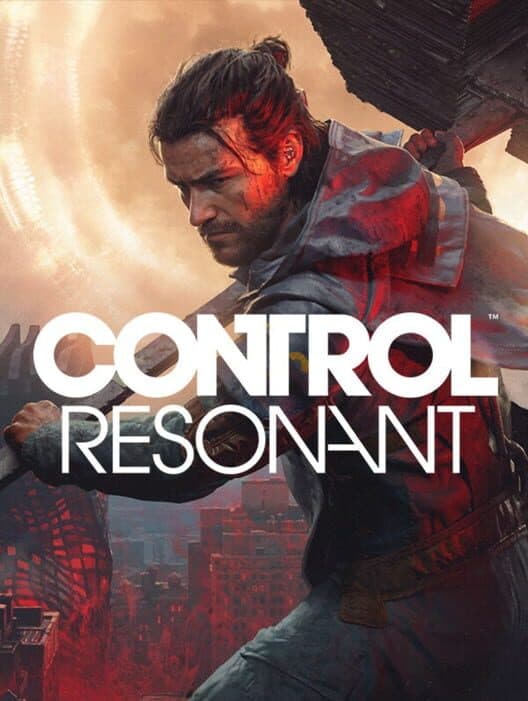
Based on current official materials and early hands-on coverage, Control Resonant looks worth it if you want a story-heavy action game that feels strange, stylish, and a little unsettling. Its big draw is the mix of warped-city exploration, expressive supernatural melee combat, and build choices that seem deeper than the first Control. You are not signing up for an endless grind. This looks more like a strong 20-to-35-hour arc where you find a playstyle, chase a mystery, and move on satisfied. Buy at full price if you already like Remedy's weird worlds, enjoy fast crowd fights, and want enough build freedom to make Dylan feel like your version of the character. Wait for a sale or post-launch reviews if you were attached to Jesse as the lead, or if the shift toward melee-first combat makes you nervous. Skip it if you want a calm, family-safe game or prefer slow, methodical combat over aggressive pressure. For the right player, it looks exciting and distinct. It just carries more pre-release uncertainty than usual.

Remedy Entertainment • 2026 • PC (Microsoft Windows), Mac, PlayStation 5, Xbox Series X|S
Based on current official materials and early hands-on coverage, Control Resonant looks worth it if you want a story-heavy action game that feels strange, stylish, and a little unsettling. Its big draw is the mix of warped-city exploration, expressive supernatural melee combat, and build choices that seem deeper than the first Control. You are not signing up for an endless grind. This looks more like a strong 20-to-35-hour arc where you find a playstyle, chase a mystery, and move on satisfied. Buy at full price if you already like Remedy's weird worlds, enjoy fast crowd fights, and want enough build freedom to make Dylan feel like your version of the character. Wait for a sale or post-launch reviews if you were attached to Jesse as the lead, or if the shift toward melee-first combat makes you nervous. Skip it if you want a calm, family-safe game or prefer slow, methodical combat over aggressive pressure. For the right player, it looks exciting and distinct. It just carries more pre-release uncertainty than usual.
Preview discussions often praise the choice to go bigger and stranger instead of repeating the first game. For many fans, that visible ambition is the main hook.
Many fans are open to Dylan as the lead, but others say their attachment to Jesse was central to the series. That choice alone is shaping buy-now versus wait reactions.
Players who wanted deeper combat keep pointing to weapon forms, talents, and loadouts as the clearest upgrade. Early reactions suggest more room for distinct playstyles.
Some players love the faster close-range focus and see it as a smart shake-up. Others worry it drifts too far from the earlier mix of gunplay and powers.
Preview discussions often praise the choice to go bigger and stranger instead of repeating the first game. For many fans, that visible ambition is the main hook.
Players who wanted deeper combat keep pointing to weapon forms, talents, and loadouts as the clearest upgrade. Early reactions suggest more room for distinct playstyles.
Many fans are open to Dylan as the lead, but others say their attachment to Jesse was central to the series. That choice alone is shaping buy-now versus wait reactions.
Some players love the faster close-range focus and see it as a smart shake-up. Others worry it drifts too far from the earlier mix of gunplay and powers.
Expect a finite month-or-two campaign with good stopping points, modest replay hooks, and a few minutes of reorientation if you return after a break.
Control Resonant looks built for a substantial but finite run. The likely sweet spot is finishing the main story, doing a meaningful slice of side content, and settling into a build that feels like yours. For most people, that seems closer to a month or two of regular evenings than a long-term hobby. That is a good fit if you want something meaty without signing up for endless chores. It also seems reasonably friendly to stop-and-start play. The hub, story objectives, and self-contained World Quests should create natural places to end a session, and current technical info points to full pause even though saving appears checkpoint-based rather than fully free. The main catch is coming back after time away. Because there is story context, zone geography, and a custom loadout to remember, re-entry will probably take a few minutes, not a few seconds. The trade is worthwhile if you enjoy authored campaigns with real build ownership. It is less ideal if you want a pure pick-up-and-play comfort game.
Once combat starts, you're juggling aggressive melee, power timing, and upside-down spaces, so it rewards real attention and punishes second-screen play.
Control Resonant looks like the kind of game that wants your full eyes and most of your brain once the action starts. In a typical session, you're not just swinging at one target. You're reading enemy pressure from several angles, deciding when to cash in powers, and re-reading spaces that may tilt, fold, or break normal floor-and-wall logic. That asks for steady attention, not just short bursts of reflex. The good news is that it also seems more readable than the nastier action games. Menus, stat screens, and quest structure appear clear, so a lot of the mental work comes from the fight itself rather than from guessing what the game wants. The trade is simple: it asks you to stay present, and it pays you back with flashy, expressive combat that feels earned instead of automatic. You probably can relax during hub time or slower exploration, but this is not a great second-screen game. When things get loud, it looks like the kind of experience where a quick glance away is enough to miss an opening or eat a hit.
You should feel competent within several sessions, but new powers, weapon forms, and build branches keep giving you fresh layers to learn.
Getting comfortable in Control Resonant should take a few sessions, not a few weekends. The game appears to explain its build choices clearly, and current preview material makes a point of readable stats, visible loadout changes, and a combat loop built around understandable resource flow. That means the first hurdle is less about decoding hidden rules and more about learning how to move, dodge, and spend your powers without freezing up. You should be able to find one solid build and play competently within 5 to 10 hours. Where the game keeps asking more is in the layering. New abilities, weapon forms, and branching upgrades seem likely to broaden your options over time, and boss fights should reward cleaner timing and better crowd control. So the learning curve is real, just not cruel. It asks you to practice with intention, and it pays you back by making your version of Dylan feel more personal and more effective. If you enjoy learning one main style and slowly adding nuance, this looks inviting. If you want instant button-mashing mastery, it may feel busier than it first appears.
This feels tense and creepy more than cruel, with cosmic-horror pressure and fast crowd fights that spike your pulse without becoming full survival-horror panic.
Expect a fairly charged experience, but not one built to crush you. The tone looks grim and strange, with cosmic-horror imagery, distorted bodies, and a city that feels like it is coming apart. On top of that, the combat loop rewards forward momentum, so fights should feel pressurized even when you are doing well. That creates a strong good-stress feeling: raised pulse, busy hands, and a sense that you need to keep pushing. What it does not look like, at least from current material, is a punishing nightmare designed around fear of losing huge chunks of progress. That trade matters. It asks you for emotional energy, and it seems to deliver adrenaline, spectacle, and the satisfaction of breaking through chaos with a build that fits you. If you like creepy action more than helpless horror, this may land in a sweet spot. If gore, body horror, or multi-enemy pressure drain you quickly, this looks better in focused sessions than in tired end-of-day autopilot mode.
Games with a similar rhythm and feel, even if they look different