hello@slated.gg
Powered by IGDB•Privacy•Terms

© 2026 Slated.gg

Slated.gg
Popular GamesAboutDiscover Games
Echoes of Aincrad

Bandai Namco Entertainment Inc. • 2026 • Xbox Series X|S, PC (Microsoft Windows), PlayStation 5
Satisfying to complete
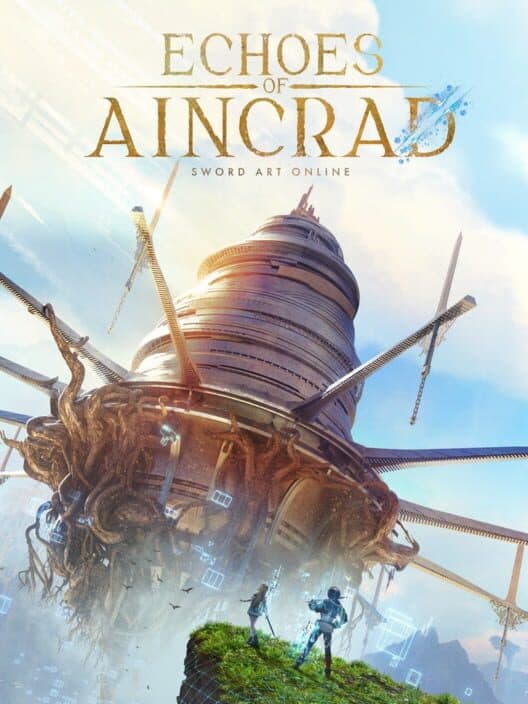
Echoes of Aincrad cover art

Echoes of Aincrad

Bandai Namco Entertainment Inc. • 2026 • Xbox Series X|S, PC (Microsoft Windows), PlayStation 5

Satisfying to complete

Is Echoes of Aincrad Worth It?

Probably yes if you want a focused solo climb through Aincrad and you like build tinkering more than open-ended wandering. The big draw is the setting. Everything points to a strong "I am really here" feeling, with town prep, risky field runs, partner choices, and visible weapon growth giving each session a nice sense of purpose. It also looks well scoped: about a 30-hour main journey, not an endless hobby. The catch is polish and convenience. Preview feedback keeps circling sparse areas, routine quest flow, clunky menus, and the worrying chance that pausing still will not fully stop the action. Buy at full price if the Aincrad fantasy alone excites you and you enjoy measured action that rewards caution. Wait for a sale or post-launch patches if you like the premise but need smoother combat feel, denser exploration, or better quality-of-life. Skip it if you want co-op, easy drop-in play, or a huge world packed with surprises.

What is Echoes of Aincrad like?

Opinions of Echoes of Aincrad

What Players Love

  • Players Love

    Feels like living inside Aincrad at last for fans

    Preview coverage repeatedly says the game captures the look, mood, and fantasy of Aincrad well, especially by letting you explore it as your own avatar.

  • Players Love

    Weapon and partner setups look meaningfully different in play

    Players drawn to loadout tinkering like the promise of distinct weapon styles, support roles, and upgrade paths that could make each run feel personal.

Common Concerns

  • Common Concern

    Large zones can feel sparse between points of interest

    Several previews worry that some areas look bigger than the amount of meaningful activity inside them, which could make exploration and side quests feel routine.

  • Common Concern

    Combat and menus still look rough around the edges

    The biggest practical concern is polish. Hands-on impressions mention clunky flow, sluggish menu use, and quality-of-life issues like menuing that may not pause gameplay.

Divisive Aspects

  • Divisive

    Promised danger may feel softer than marketing suggests

    Some previews found the danger exciting, while others thought normal challenge might be smoothed out by leveling and build choices. Final tuning is still an open question.

What does Echoes of Aincrad demand from you?

Time

MODERATE

Time

This looks like a solid three-to-five-week project with clean town-based stopping points, though sudden interruptions may still feel awkward mid-expedition.

MODERATE

For most players, this looks like a meaningful but manageable project. Expect around 25 to 35 hours to reach credits, with side quests and extra upgrading pushing that closer to 40 or 50. The good news is that the game seems built around natural session loops. You prep in town, head out for a field push, unlock a safe point or clear a quest, then return to spend growth points and sort gear. That structure makes 60 to 90 minute sessions feel productive. There are also no social obligations pulling you online at odd hours since the whole thing is single-player. The biggest scheduling catch is convenience. Autosave helps, but current evidence does not suggest a true save-anywhere setup, and the reported no-pause behavior could be a real problem for anyone who gets interrupted often. Coming back after a week away should be doable, but not seamless. You will likely need a few minutes to remember your quest, partner build, and current route goals. In return, the game offers a finite journey instead of an endless hobby.

Tips
  • Aim to stop after reaching town, activating a safe zone, or spending growth points; those moments seem like the cleanest exit ramps.
  • Because pausing may be limited, avoid starting deep field pushes when you know you might be interrupted.
  • Take a screenshot of your quest log and loadout before longer breaks so re-entry is faster next time.

Focus

HIGH

Focus

Most sessions ask for steady eyes-on-screen attention, mixing quick defensive reads with light planning around routes, stamina, and partner skills.

HIGH

Echoes of Aincrad asks for steady, active attention rather than extreme brainpower. In town, you get lighter moments to sort gear, pick a partner, and decide what kind of run you want. Once you step into the field, the game shifts. You need to watch enemy spacing, read attack tells, manage stamina and SP, and judge whether it's smarter to push deeper or turn back. That means it is not a great second-screen game, especially if the demo's no-pause behavior remains in the final build. The thinking itself looks nicely balanced. You are not solving giant build spreadsheets every minute, but you are also not mindlessly mashing through fights. The appeal is that every expedition feels like a small plan carried out in real time. It asks you to stay present, and in return it gives you that satisfying rhythm of preparing well, surviving cleanly, and coming home stronger.

Tips
  • Finish each session in town or at a safe zone so your next login starts with clear goals instead of a dangerous scramble.
  • Pick one weapon and one partner role early; narrowing choices makes fights easier to read and cuts decision overload.
  • Treat field runs like mini expeditions: restock, set a target, and turn back once healing or stamina management starts feeling shaky.

Challenge

MODERATE

Challenge

You should feel competent within several hours, yet the combat only starts to sing once weapon timing, partner support, and build choices click together.

MODERATE

The good news is that this does not look like a game you need a guidebook to understand. Weapons, partner roles, upgrades, and stat growth all seem explained clearly enough that most players should feel functional after a handful of sessions. The harder part is making those pieces work together when a fight gets messy. Learning when to parry, when to back off, which partner setup covers your weak spots, and how far you can safely push beyond a safe zone is where the real growth happens. That means the first few hours may feel a little stiff, especially if the combat and menus keep some of the roughness seen in the demo. Still, the overall learning path looks fair on normal. Mistakes seem costly enough to teach you something, but not so harsh that every bad fight becomes a disaster. It asks for practice and a bit of patience, then rewards you with a nice feeling of ownership once your chosen weapon and partner setup start to feel truly yours.

Tips
  • Stick with one weapon long enough to learn its defensive rhythm before experimenting with every loadout the game offers.
  • Let partner choice solve problems for you; a healing or support partner can smooth rough encounters more than raw damage.
  • After a break, spend five minutes in a safer area relearning dodge and parry timing before jumping into a boss attempt.

Intensity

MODERATE

Intensity

The mood stays serious and cautious, with boss spikes and dangerous expeditions creating pressure, but normal play looks more tense than truly punishing.

MODERATE

This is a serious, pressure-forward adventure, but not one that looks built to exhaust you every minute. The death-game framing, weapon combat, and between-safe-zone structure add a real sense of risk, especially when you are low on healing or pushing toward a tougher encounter. Bosses and elites should be the main pulse-spike moments. Outside those peaks, though, the game seems more measured than frantic. A lot of your time is spent preparing in town, revealing terrain, gathering materials, and stabilizing after a fight. On normal, it does not look like the kind of game that wants to humiliate you. It wants caution, not perfection. That is a good fit if you enjoy victories that feel earned without signing up for relentless punishment. The trade is simple: it asks for a little tension and patience, then pays that back with a stronger feeling of danger, relief, and forward momentum than a breezier fantasy trip.

Tips
  • Use the first attempt on tougher enemies to learn timing and spacing, not to force a win through panic.
  • Carry a small cushion of healing items before leaving town; the game seems to reward caution more than bravado.
  • If you want a calmer experience, spend a little extra time leveling and upgrading before major boss pushes.

Frequently Asked Questions

Echoes of Aincrad looks medium on normal difficulty. It should be harder than a breezy story-first adventure, but well below Elden Ring or other games built around repeated punishment. Most of the challenge seems to come from timing and discipline: reading enemy tells, not overcommitting, managing stamina and SP, and using your partner well. The good news is that it does not look hard to understand. Weapons, upgrades, and partner roles appear fairly readable, so basic competence should come within a few hours. Mastery is a different story. Clean parries, smarter route choices, and stronger build pairings will likely take much longer to feel natural. The game also seems designed so leveling, gear upgrades, and difficulty options can smooth rough edges, which is helpful if you like action but do not want a brick wall. If you enjoy God of War on balanced, this should feel fair. If you dislike defensive timing or any chance of losing progress between safe zones, it may feel harsher than the anime look suggests.

Plan on roughly 25 to 35 hours for the main story and closer to 40 to 50+ if you do a healthy amount of side quests, exploration, and gear work. That makes it a solid month-long project if you play around 6 to 10 hours a week. The good news is that the loop seems built for 60 to 90 minute sessions. A typical night is town prep, one field push, a tougher fight or quest objective, then a return trip to spend growth points and sort loot. Towns and activated safe zones look like the cleanest stopping points. The less good news is convenience. Autosave should protect a lot of progress, but current info does not point to true save-anywhere freedom, and the reported no-pause behavior could make shorter sessions feel less flexible. Replay looks optional rather than essential, driven mostly by trying other weapons, partners, higher difficulties, or the post-clear permadeath mode.

Expect moderate stress, mostly the good kind. This does not look like a horror game or an all-out panic machine, but it does seem built around steady caution. The mood is serious, the danger framing is strong, and the stretch between safe zones should create that "one more fight, then I should head back" feeling. Bosses and elites are likely where the biggest pulse spikes happen. Outside those moments, a lot of the play loop is calmer: checking gear in town, planning a route, gathering materials, and upgrading after a run. That keeps the average stress level in check. In other words, it looks more tense than exhausting. The bad stress risk comes from convenience problems, not pure difficulty. If menus still do not pause the action and saving remains limited, interruptions could feel frustrating even when the combat itself is fair. Best time to play is when you have a clear hour and want a focused, slightly high-stakes adventure.

Yes, and in fact it is built for solo play only. You do not need a group, a schedule, or any online commitment. That makes it much easier to fit into real life than games that ask you to coordinate with friends. The catch is that solo does not automatically mean casual-friendly. Echoes of Aincrad looks best for players who can give it a focused hour rather than five distracted minutes. Its session structure is friendly enough: towns, safe zones, and quest milestones create natural places to stop, and a 60 to 90 minute session should feel worthwhile. But preview coverage raises two real caveats for casual play: menus may not fully pause the game, and there may not be a true save-anywhere system. That means surprise interruptions could still be annoying. Returning after a week away also seems manageable rather than effortless, since you will need to remember your current build, partner, and route goals.

No. Everything currently points to a standard premium release, not a pay-to-win setup. You buy the base game once and get a complete single-player journey. Deluxe and ultimate editions appear to bundle early unlocks, starter items, convenience extras, and planned expansion access rather than selling power inside an ongoing competitive ecosystem. That matters because this is not a PvP game. There is no ladder, raid race, or shared economy where spending money would put you over other players. Even if a paid edition gives you a small head start on gear or resources, that would be closer to time-saving than winning. For most people, the bigger question is not monetization abuse but whether the final launch version feels polished enough to justify full price. Based on the available information, this is not the kind of game you need to budget around recurring purchases or avoid because other players can buy an advantage.

You Might Also Like

Games with a similar rhythm and feel, even if they look different

Explore more→
Where Winds Meet game cover art

Where Winds Meet

Time
MODERATE
Focus
MODERATE
Challenge
MODERATE
Intensity
MODERATE
Phantom Blade 0 game cover art
Satisfying to complete

Phantom Blade 0

Time
MODERATE
Focus
HIGH
Challenge
MODERATE
Intensity
HIGH
Control game cover art
Satisfying to complete

Control

Time
MODERATE
Focus
MODERATE
Challenge
MODERATE
Intensity
MODERATE
Diablo IV game cover art

Diablo IV

Time
MODERATE
Focus
MODERATE
Challenge
MODERATE
Intensity
MODERATE
Black Myth: Wukong game cover art

Black Myth: Wukong

Time
MODERATE
Focus
HIGH
Challenge
MODERATE
Intensity
HIGH
Beast of Reincarnation game cover art
Satisfying to complete

Beast of Reincarnation

Time
MODERATE
Focus
HIGH
Challenge
MODERATE
Intensity
MODERATE
← Back to Home