hello@slated.gg
Powered by IGDB•Privacy•Terms

© 2026 Slated.gg

Slated.gg
Popular GamesAboutDiscover Games
Beast of Reincarnation

Fictions • 2026 • Xbox Series X|S, PC (Microsoft Windows), PlayStation 5
Satisfying to complete
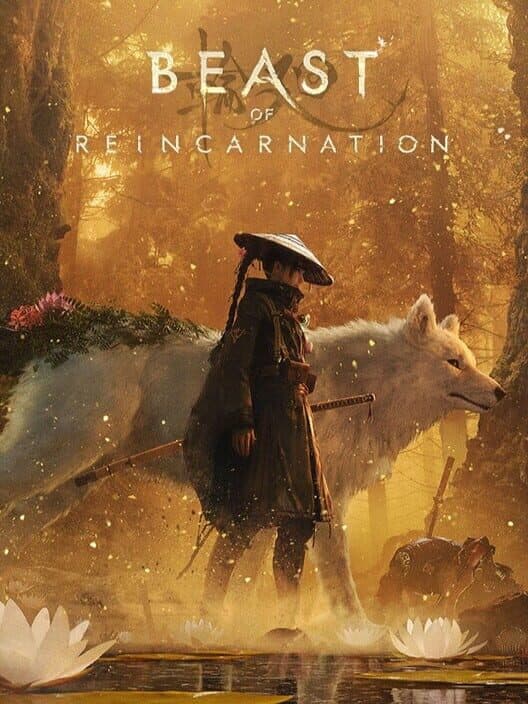
Beast of Reincarnation cover art

Beast of Reincarnation

Fictions • 2026 • Xbox Series X|S, PC (Microsoft Windows), PlayStation 5

Satisfying to complete

Is Beast of Reincarnation Worth It?

Probably yes, if you want a story-led action game with demanding but adjustable combat and like the idea of fighting alongside a dog companion. What makes Beast of Reincarnation stand out is the Emma-and-Koo partnership: you parry and strike in real time, then slow things down to call healing, traps, buffs, or follow-up attacks from Koo. That mix could make it feel more thoughtful than a pure button-mashing action game without becoming slow or turn-based. The catch is confidence. This profile is based on pre-launch footage and preview coverage rather than full player reception, so pacing, performance, and late-game variety are still open questions. Buy at full price if parry-focused action games are already your thing and checkpoint-based progress does not bother you. Try it through Game Pass or wait for reviews or a sale if you want proof that the second half holds up. Skip it if you dislike boss retries, bleak worlds, or combat that asks for timing and concentration. For the right player, it looks very promising.

What is Beast of Reincarnation like?

Opinions of Beast of Reincarnation

What Players Love

  • Players Love

    Emma and Koo's shared combat looks genuinely fresh

    Preview coverage keeps returning to the same hook: parry with Emma, then slow the action to issue Koo commands. That blend feels more distinctive than standard action combat.

  • Players Love

    World, movement, and atmosphere make a strong early impression

    Hands-on reactions praise the ruined Japan setting, the blight-twisted scenery, and traversal that feels good right away, helping the opening hours stand out beyond combat alone.

Common Concerns

  • Common Concern

    Excitement is real, but caution still surrounds launch

    Most enthusiasm comes from preview access and opening-hours coverage, not full playthroughs. Players want to see pacing, performance, and encounter variety hold up across the whole journey.

Divisive Aspects

  • Divisive

    Parry-heavy marketing clashes with the game's accessible difficulty messaging

    Some expect a punishing action game because of the parry focus, while others are encouraged by Story Mode and slowed-time commands. The final balance may shape launch reception.

What does Beast of Reincarnation demand from you?

Time

MODERATE

Time

This looks like a month-long solo journey with solid stopping points, real pause support, and only middling freedom to save exactly when you want.

MODERATE

For a busy week, this looks more manageable than massive open-ended games, but it still asks for a real run of attention over several weeks. Current estimates point to something like 25 to 35 hours for the main path, with side exploration and build tinkering pushing it higher. The good news is that the journey seems broken into readable chunks. Zones, bosses, short upgrade sessions, and clear story goals should give you natural places to stop after an hour or so. A true pause menu is a big plus if life interrupts. The weaker point is saving. Everything so far points to checkpoints and autosaves rather than full save-anywhere freedom, so you may sometimes want to reach the next safe moment before quitting. Coming back after a week away should be doable, but not instant, because you'll need to remember your build, Koo setup, and current objective. There are no party schedules, raid nights, or co-op obligations, though. That makes it much easier to fit into a normal routine than any game that depends on other people showing up.

Tips
  • Aim to stop after a boss clear, local objective, or gear check; the structure looks built around those natural pause moments.
  • After a break, read your current objective and Koo loadout first; that should rebuild context faster than wandering around blindly.

Focus

HIGH

Focus

Most fights want sharp timing and quick reads, but Koo's slowed-time commands give you short thinking breaks instead of pure nonstop panic.

HIGH

This game looks like it wants your full attention whenever steel is out. In regular exploration, you should get room to breathe, check side paths, and take in the ruined landscapes. The moment a serious fight starts, though, the ask jumps. You'll be watching enemy tells, judging distance, deciding whether to parry or move, and picking the right Koo support action once you have an opening. That means it is not great background play for a second-screen night. The nice twist is that it does not seem locked into pure button speed. Koo's command menu slows things down, so success should come from a mix of timing and quick problem-solving, not reflex alone. In practice, that means the game asks for concentrated 60 to 90 minute sessions, then pays you back with fights that feel more thoughtful than mashy. If you enjoy reading a battle and adjusting on the fly, that should feel satisfying. If you want something you can half-watch while chatting or multitasking, it probably won't.

Tips
  • Before tougher fights, pick two Koo commands you trust so slowed-time choices stay simple when the screen gets busy.
  • Treat exploration as recovery time and save story scenes for when you can listen, because combat and dialogue both reward full attention.

Challenge

MODERATE

Challenge

You'll need a few evenings to click with the parry-and-command rhythm, then progress comes from smarter builds, cleaner reads, and calmer retries.

MODERATE

This does not look impossible to learn, but it probably will not click in one relaxed evening either. The early game seems built around teaching one signature rhythm: defend and read with Emma, then use the opening to bring Koo into the fight in a smart way. On top of that, you'll be learning gear choices, Spirit Stones, skill trees, and whatever mix of healing, traps, buffs, or damage tools fits your style. For most people, basic comfort should come after a few sessions, not after dozens of hours. That's the good news. The tougher part is consistency. Bosses seem likely to ask for cleaner timing and better plan changes than regular enemies, so improvement will come from noticing patterns and adjusting loadouts, not just hitting harder. It looks friendlier than the harshest action games because it has real difficulty settings and support tools, but normal play still seems to expect effort. If you enjoy feeling yourself get sharper over time, it should reward that nicely. If you want instant mastery, it may feel demanding.

Tips
  • Practice parry timing on regular enemies before a boss so your hands learn the rhythm without the pressure of a longer retry.
  • Build around one clear plan early, like aggressive damage or safer support, instead of spreading upgrades across every tool at once.

Intensity

MODERATE

Intensity

Bosses should feel tense and failure will sting, yet the game looks more steady-pressure challenging than terrifying or full-adrenaline chaotic.

MODERATE

The pressure here looks real, but it does not look miserable. Expect the strongest stress during minibosses and big boss fights, where one missed parry or greedy swing can turn a promising attempt into a quick reset. Outside those peaks, the game seems to settle into a steadier rhythm of travel, light exploration, quieter upgrade breaks, and shorter skirmishes. That matters, because it suggests a good kind of tension: focused, readable, and tied to learning, rather than constant panic. The world itself also adds weight. Ruined Japan, blight, monster violence, and the emotional pull of protecting Koo should make the journey feel heavy even when the mechanics are under control. On normal, this seems more like God of War-level pressure than Sekiro-level punishment, and far below horror-game dread. So the emotional load should come from caring about the fight and the bond, not from feeling trapped. Best time to play it will likely be when you want challenge and mood, not when you're already drained.

Tips
  • If a boss spikes your stress, spend one attempt only reading attacks instead of winning; the next try will usually feel calmer.
  • Use the pause menu between retries to change Spirit Stones or support skills rather than forcing the same setup repeatedly.

Frequently Asked Questions

Beast of Reincarnation looks moderately hard on normal, not brutally hard. The main source of difficulty seems to be timing and reading enemies, especially in boss fights where parries, spacing, and smart Koo support choices matter. It does not look like a pure reflex test, though. Because Koo's command menu slows the action, you should get small planning windows that make fights feel more readable than something like Sekiro. A better comparison is a tougher-than-average action adventure with boss learning, closer to God of War on a spicier setting than a relentless punishment machine. Hard to learn and hard to master are different here. Basic comfort should come after a few evenings once you understand the Emma-and-Koo rhythm and settle on a build. Mastery will take much longer if you want cleaner parries and faster boss clears. There are also Story, Normal, and Hard settings, which should help if the default pace feels too sharp. If you enjoy learning patterns, it may feel satisfying. If you dislike retrying bosses or being asked to parry under pressure, it may feel rough.

Current estimates suggest roughly 25 to 35 hours for the main story, and around 35 to 50 hours if you spend time exploring side paths, tweaking builds, and chasing extra upgrades. Because the game is not fully out yet, treat those numbers as informed estimates rather than settled player averages. The structure looks friendly to 60 to 90 minute sessions. Instead of one giant seamless world, it seems built around broad zones, local goals, minibosses, and bigger boss fights, so you should get regular stopping points. A full pause menu helps if life interrupts. The bigger question is saving: everything points to checkpoints and autosaves, not full save-anywhere freedom, so you may sometimes want to push a little farther before signing off. This does not look like a months-long forever game for most people. It looks more like a solid several-week journey with some optional build experimentation afterward. If you finish the story and feel satisfied, you will probably have seen the heart of what it offers.

Expect moderate stress, mostly the good kind. Beast of Reincarnation looks tense during boss fights and tougher encounters, where careful timing and pattern reading matter and one bad choice can quickly snowball. That can raise the pressure. Still, it does not look like nonstop panic. Exploration stretches, menus that slow the action, and a quieter bond with Koo should give the game room to breathe between peaks. The bad-stress question mostly comes down to how you feel about retries. If learning a boss over two or three attempts sounds exciting, this will likely feel engaging. If even short repeat fights frustrate you, the pressure may wear on you faster than the story can balance it out. The tone also matters. This is a bleak trip through a damaged world, with monster violence and body-corruption imagery, so it is emotionally heavier than a bright adventure. Best time to play it will probably be when you want a focused challenge and can give it your attention. It may be a poor fit for tired late-night sessions when you want something soothing or easygoing.

Yes, completely. Beast of Reincarnation is built as a single-player game, and everything shown so far points to a fully solo experience from start to finish. There are no co-op systems, no party roles to coordinate, no guild schedules, and no pressure to keep up with other people. That alone makes it easier to fit into a crowded week than games that depend on friends being online. It also looks fairly workable in short sessions. A full pause menu means you should be able to stop when real life cuts in, and the zone-and-boss structure seems likely to create clear stopping points. The only real catch is that it appears to use checkpoints and autosaves rather than full save-anywhere freedom, so sometimes the cleanest exit may be a few minutes away. The bigger barrier to casual solo play is not social pressure. It is attention. This looks like a game you play with intent, not one you casually half-watch while doing something else. If you want a focused solo journey, it seems well suited. If you want pure low-effort comfort, maybe not.

Not in the usual competitive sense, because there is no player-versus-player mode here. You are not buying an edge over other people. That said, the current store listings do raise a real yellow flag. Deluxe and preorder bonuses include Amber and seedlings, which appear to be useful gameplay resources, and the Xbox listing also mentions in-app purchases. If the final release lets you buy more of those resources, that would count as paying for an in-game advantage or paying to speed up progress. So the honest answer is this: not pay-to-win in a leaderboard sense, but possibly pay-for-advantage in a single-player sense. That matters less if you are happy to ignore those extras, and more if you dislike the idea of a premium game selling convenience on top. Because the game is not fully out yet, the final scope of those purchases is still unclear. I would wait for launch-day confirmation before treating the monetization as harmless.

You Might Also Like

Games with a similar rhythm and feel, even if they look different

Explore more→
Stellar Blade game cover art
Satisfying to complete

Stellar Blade

Time
MODERATE
Focus
HIGH
Challenge
MODERATE
Intensity
MODERATE
Black Myth: Wukong game cover art

Black Myth: Wukong

Time
MODERATE
Focus
HIGH
Challenge
MODERATE
Intensity
HIGH
Control game cover art
Satisfying to complete

Control

Time
MODERATE
Focus
MODERATE
Challenge
MODERATE
Intensity
MODERATE
Clair Obscur: Expedition 33 game cover art

Clair Obscur: Expedition 33

Time
MODERATE
Focus
HIGH
Challenge
MODERATE
Intensity
HIGH
Star Wars Jedi: Survivor game cover art

Star Wars Jedi: Survivor

Time
MODERATE
Focus
HIGH
Challenge
MODERATE
Intensity
MODERATE
Control Resonant game cover art
Satisfying to complete

Control Resonant

Time
MODERATE
Focus
HIGH
Challenge
MODERATE
Intensity
MODERATE
← Back to Home