Brain Jar Games • 2026 • Xbox Series X|S, Nintendo Switch 2, PC (Microsoft Windows), PlayStation 5, Nintendo Switch
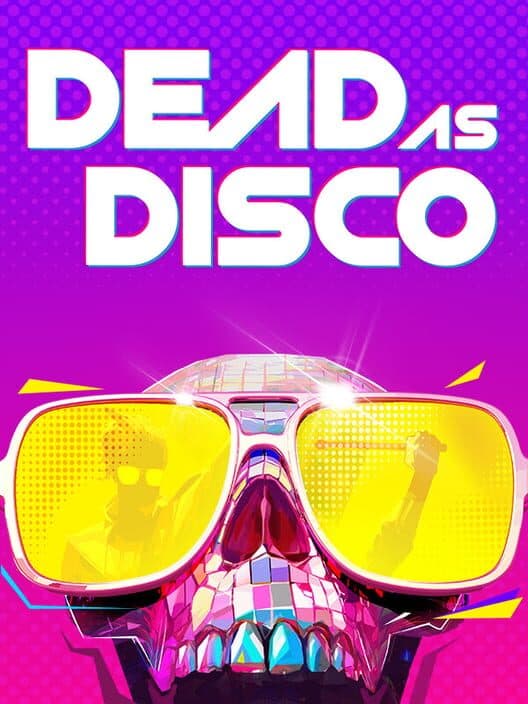
Dead as Disco
Brain Jar Games • 2026 • Xbox Series X|S, Nintendo Switch 2, PC (Microsoft Windows), PlayStation 5, Nintendo Switch
Is Dead as Disco Worth It?
Yes, Dead as Disco is worth it right now if the idea of punching and countering to the beat sounds exciting to you. Its best trick is simple: when the rhythm-combat loop clicks, you feel stylish in a way few action games deliver. The neon presentation, strong soundtrack, and boss-show energy sell that fantasy fast. What it asks from you is focus. You need to pay attention, stay on beat, and accept that some boss retries can feel longer than they should because the current Early Access build still has rough checkpoints and a short story slice. That matters. If you want a polished, fully finished campaign with complete story payoff, waiting for 1.0 or a sale is the smarter move. If you mainly want a replayable action game with strong style, a clear solo structure, and the excellent custom-song feature, buying now makes sense. Full price is easiest to recommend to players who love rhythm pressure and score-chasing. Wait for a sale if you are curious but cautious. Skip it if timing-based combat already sounds annoying.
What is Dead as Disco like?
Opinions of Dead as Disco
What Players Love
- Players Love
Combat feels amazing once the rhythm finally clicks
Players keep praising the same payoff: when attacks, dodges, and counters land on beat, fights become a smooth, stylish flow state that feels great to control.
- Players Love
Neon style and boss shows make a strong first impression
Even cautious reviews highlight the soundtrack, neon comic-book look, and music-video boss staging. The presentation sells the game's identity almost immediately.
- Players Love
Importing your own songs adds lasting replay appeal
My Music is widely seen as the feature that gives the current build legs. Importing personal tracks makes practice, experimentation, and replay feel far less repetitive.
Common Concerns
- Common Concern
Early Access content feels short and clearly unfinished
The biggest caveat is value today. Several players finished the current story slice quickly and felt the unfinished narrative and missing features are hard to ignore.
- Common Concern
Checkpoint and readability issues can break the flow
Because the game depends on timing and musical trust, issues like rough checkpoints, off-screen threats, camera readability, or calibration friction stand out more than usual.
Divisive Aspects
- Divisive
Boss-rush structure thrills some players and disappoints others
Some players love the stripped-down arcade format and boss showcase pacing, while others wanted more traversal and a fuller stage-based campaign structure.
What does Dead as Disco demand from you?
Time
LOWTime
The current build is short and weeknight-friendly, with clear stage-sized stops, though long boss attempts are safest when you know you can finish them.
Focus
HIGHFocus
You need your eyes and ears locked in during fights, but the thinking stays clean: timing, spacing, counters, and meter choices instead of heavy planning.
Challenge
MODERATEChallenge
The basics land fast, but smooth play takes practice because the game asks you to blend rhythm sense, enemy reads, and confident defense.
Intensity
MODERATEIntensity
This feels like an energized stage show with moderate boss pressure, more thrilling than draining, though rough checkpoints can turn a hot streak into frustration.
Frequently Asked Questions
You Might Also Like
Games with a similar rhythm and feel, even if they look different