Hi-Fi Rush

Bethesda Softworks2023Xbox Series X|S, PC (Microsoft Windows), PlayStation 5
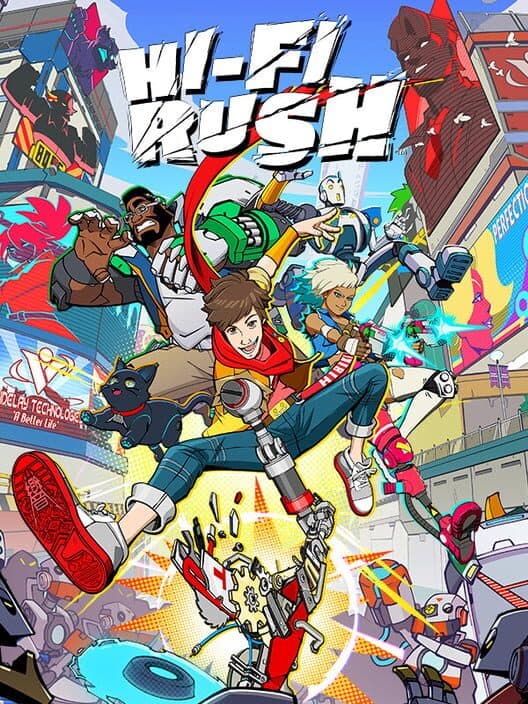
Rhythm-based combat synced tightly to music

10–20 hour linear campaign, chapterized

Bold, stylized visuals and energetic tone

Is Hi-Fi Rush Worth It?

Hi-Fi Rush is worth it if you like action games and music and want something stylish, upbeat, and respectful of your time. The core hook is brawling exactly to the soundtrack’s beat, inside a colorful cartoon world about an underdog taking on an evil tech corporation. It asks you to bring moderate focus and a bit of comfort with rhythm, but not the hardcore devotion of games like Sekiro or Devil May Cry. In return, you get a tightly edited 12–20 hour campaign with almost no padding, great audiovisual flair, and combat that feels better as you improve. Each chapter plays like its own episode, perfect for 60–90-minute sessions after work. Buy at full price if you love stylish single-player action, rhythm mechanics, or just want a polished, self-contained story. It’s also an easy recommendation if you’re on Game Pass. If you’re lukewarm on timing-based combat, consider waiting for a discount. If you only enjoy open-world sandboxes or deep RPG systems, this focused, linear romp may not land for you.

When is Hi-Fi Rush at its best?

You have about 60–90 minutes on a weeknight and want something upbeat and focused, where finishing a single chapter feels like a complete, satisfying play session.

You’re in the mood for stylish combat but don’t want the punishment of ultra-hard action games, preferring a forgiving, music-driven story you can enjoy on Normal difficulty.

It’s a weekend afternoon and interruptions are likely, so you want a solo game you can pause anytime and resume at frequent checkpoints without losing much progress.

What is Hi-Fi Rush like?

In terms of time, Hi-Fi Rush is very friendly to adult schedules. The main story usually wraps in about 12–20 hours, depending on how many secrets you chase and whether you replay favorite tracks. Each chapter functions like an episode: you start in the hideout, pick a track, run through platforming and fights, then often end with a boss and a recap screen. That structure means many players can comfortably do “one chapter a night.” You can pause at any moment and autosaves are generous, so if kids or work yank you away, you’re rarely set back far. The linear campaign and clear chapter list also make it easy to remember where you left off after a few days or weeks away. There’s no multiplayer schedule to coordinate, and no live-service treadmill pressuring you to log in. Once you roll credits and maybe sample a challenge mode or two, you can walk away feeling like you’ve fully experienced what the game offers.

Tips

  • Aim for one chapter per session when possible; they’re designed as self-contained chunks that leave you with a strong sense of closure.
  • If you’re short on time, stop at the hideout or just after a checkpointed arena so you can jump straight into action next session.
  • Keep a mental note or quick phone note of the last track you played so returning after a break feels instant and frictionless.

This game asks for solid, but not exhausting, attention. During combat, you’re tracking the music’s beat, enemy tells, your own position, and when to call in partner assists. That means you can’t really half-watch a show or scroll your phone during fights; you’ll play best when you can listen closely and keep your eyes on the action. Outside of arenas the demands drop: traversal is guided and the hideout is a low-pressure space for upgrades and chatting with characters. For a busy adult, this balance works well. You get bursts of focused play that feel satisfying without being mentally draining for hours at a time. There isn’t a ton of long-term planning or deep menu work, so your brain is working more on timing and short-term decisions than heavy strategy. If you like games that keep you engaged moment-to-moment but don’t require constant deep thought, this hits a nice middle ground.

Tips

  • Play when you can use headphones or decent speakers so hearing the beat is easy, which lowers the effort needed to stay in sync.
  • On nights when you’re tired, focus on progressing the story instead of chasing high ranks, which demands sharper timing and attention.
  • Use the early, easier arenas as warm-ups each session, letting your ears and fingers reacclimate before tougher mid- or late-track fights.

Learning the basics of Hi-Fi Rush doesn’t take long. The tutorial gently introduces keeping time with the beat, basic combos, dodges, and partner attacks. Within your first evening you’ll be clearing stages, even if your rhythm isn’t perfect. The real growth comes from tightening your timing, recognizing enemy patterns quickly, and weaving in more complex combos to boost your style ranks. The game rewards that improvement clearly: fights feel smoother, your results screens improve, and harder modes and challenge content open up if you want to push yourself. But none of that is required just to enjoy the story and see credits. For a typical adult player on Normal, you can treat it like a stylish action cartoon that gets easier and flashier as you naturally get better. This makes it approachable if you’re rhythm-shy, while still offering a nice sense of progression if you choose to replay tracks or experiment more deeply.

Tips

  • Don’t worry about ranks early on; focus on feeling the beat and surviving, and let style scores improve naturally over several sessions.
  • Pick two or three favorite combos and practice them until they’re automatic, instead of trying to use everything the game offers at once.
  • If you’re rhythm-averse, enable assists and treat Normal difficulty as practice, reserving higher modes only if you later crave a bigger challenge.

Emotionally, Hi-Fi Rush feels like an energetic concert or cartoon, not a horror movie or brutally serious epic. The soundtrack is loud and exciting, the visuals are loud and colorful, and fights have that rush of landing big combos on beat. But when you mess up, the consequences are mild: you might lose some health, take a quick retry, or see a lower rank on the results screen. This keeps the overall stress level moderate. Bosses and crowded arenas can raise your heart rate, yet you’re rarely dreading what comes next. The tone is jokey and upbeat, characters banter, and the world never feels oppressive. For many adults coming off a long day, this kind of “good stress” can be energizing rather than draining. If you’re sensitive to pressure, you can also drop the difficulty or enable rhythm assists, turning it into a more relaxed spectacle where you enjoy the music and visuals first and foremost.

Tips

  • If a boss is spiking your stress, drop the difficulty for that chapter so you can enjoy the music and spectacle without repeated retries.
  • Use rhythm assist options if timing is making you anxious; looser timing windows help keep the experience fun instead of frustrating.
  • Take short breaks between arenas on long nights so the constant music and action stay exciting rather than overwhelming.

Frequently Asked Questions