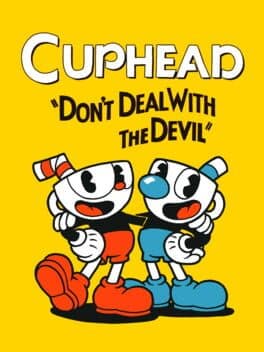
Studio MDHR • 2022 • PlayStation 4, PC (Microsoft Windows), Mac, Xbox One, Nintendo Switch
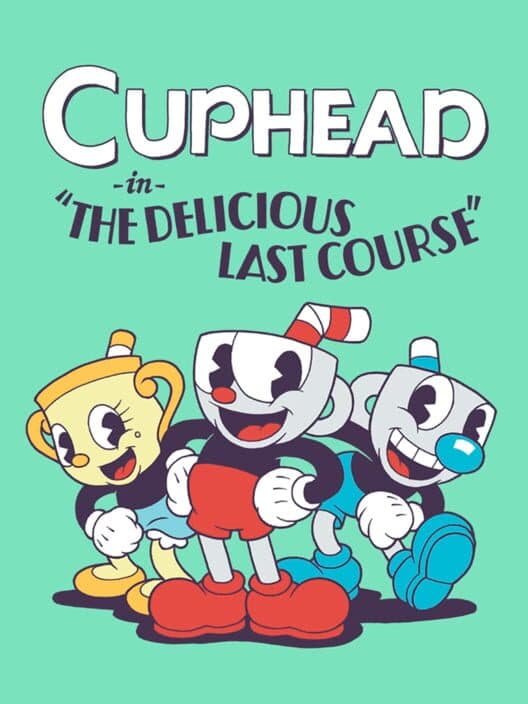
Cuphead: The Delicious Last Course
Studio MDHR • 2022 • PlayStation 4, PC (Microsoft Windows), Mac, Xbox One, Nintendo Switch
Is Cuphead: The Delicious Last Course Worth It?
Yes. Cuphead is worth it if you enjoy hard but fair games and want something with real personality. The hand-drawn animation and jazz soundtrack make even repeated losses feel memorable, and few games turn "I finally did it" into such a strong payoff. What it asks from you is patience, full attention, and a willingness to repeat short fights until the patterns click. What it gives back is a tight mastery loop, clear progress, and one of the most distinctive looks in games. Buy at full price if you love boss fights, old-school challenge, or games where skill growth is the whole point. Wait for a sale if you like the art but are unsure about a steep difficulty wall or you mostly want a relaxed weeknight game. Skip it if replaying the same encounter several times sounds draining, or if you want strong assist options, a rich story, or something you can half-watch while multitasking.
What is Cuphead: The Delicious Last Course like?
Opinions of Cuphead: The Delicious Last Course
What Players Love
- Players Love
Animation, music, and boss personality make every fight memorable
Players constantly praise the hand-drawn 1930s cartoon look and jazz score. Even after many losses, the bosses stay fun to watch, hear, and remember.
- Players Love
Hard fights usually feel fair and rewarding to master
Quick restarts and readable attack tells make repeated losses feel productive. Many players say wins feel earned because the game teaches before it overwhelms.
Common Concerns
- Common Concern
The difficulty wall can wear down patience fast
Repeated deaths are the biggest sticking point. If you want steady forward motion or stronger assist options, the game can become tiring before it becomes satisfying.
- Common Concern
Some bosses get visually cluttered in later phases
A notable minority say dense projectiles, effects, and foreground art can make safe movement harder to read, creating occasional frustration beyond pure execution.
Divisive Aspects
- Divisive
Run-and-gun stages split opinion between variety and filler
Some players enjoy these stages for coins and a change of pace, while others see them as less memorable than the boss fights that define the game.
What does Cuphead: The Delicious Last Course demand from you?
Time
MODERATETime
The full journey is manageable in a busy month, and the game fits short sessions well, though coming back after a break usually means a few rusty attempts.
Focus
HIGHFocus
Short fights demand locked-in attention, fast reactions, and constant pattern reading, with almost no room to glance away once a boss starts filling the screen.
Challenge
MODERATEChallenge
The moves are easy to understand, yet real comfort takes practice as you learn tells, test loadouts, and build muscle memory through repeated retries.
Intensity
VERY HIGHIntensity
It feels tense and demanding, but losses are over fast, so the pressure comes in sharp bursts that turn into big relief when you finally win.
Frequently Asked Questions
You Might Also Like
Games with a similar rhythm and feel, even if they look different