Fellow Traveller • 2025 • Xbox Series X|S, PC (Microsoft Windows), PlayStation 5, Mac, Nintendo Switch
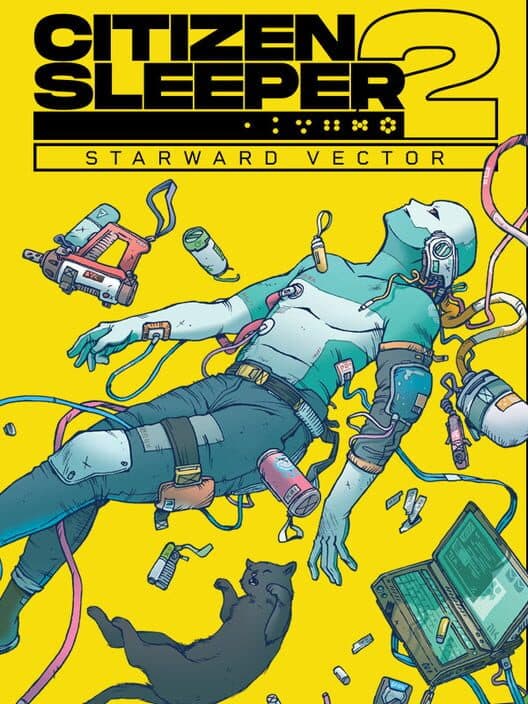
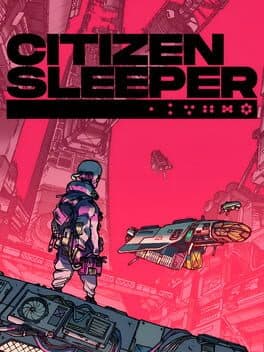
Citizen Sleeper 2 is absolutely worth it if you love text-heavy sci-fi, tabletop-style randomness, and making hard choices that actually stick. It asks for focused reading, a bit of light number-wrangling, and a willingness to accept bad dice as part of the story. In return, it delivers one of the stronger narrative experiences of recent years: vivid writing, a grounded yet imaginative setting, and crew relationships that feel earned rather than scripted. The campaign is compact enough for busy adults to finish in a couple of weeks, but deep enough that your ship and crew feel like a complete, personal arc by the end. There’s no grindy endgame, no microtransactions, and no obligation to replay unless you genuinely want to see different routes or tackle Dangerous mode. Buy at full price if you prioritize story and atmosphere over flashy combat, and like the idea of a “playable novel” with light strategy. Wait for a sale if you’re unsure about heavy reading or dice-driven randomness. If you need action-first gameplay or hate living with irreversible outcomes, it’s probably a skip.

Fellow Traveller • 2025 • Xbox Series X|S, PC (Microsoft Windows), PlayStation 5, Mac, Nintendo Switch
Citizen Sleeper 2 is absolutely worth it if you love text-heavy sci-fi, tabletop-style randomness, and making hard choices that actually stick. It asks for focused reading, a bit of light number-wrangling, and a willingness to accept bad dice as part of the story. In return, it delivers one of the stronger narrative experiences of recent years: vivid writing, a grounded yet imaginative setting, and crew relationships that feel earned rather than scripted. The campaign is compact enough for busy adults to finish in a couple of weeks, but deep enough that your ship and crew feel like a complete, personal arc by the end. There’s no grindy endgame, no microtransactions, and no obligation to replay unless you genuinely want to see different routes or tackle Dangerous mode. Buy at full price if you prioritize story and atmosphere over flashy combat, and like the idea of a “playable novel” with light strategy. Wait for a sale if you’re unsure about heavy reading or dice-driven randomness. If you need action-first gameplay or hate living with irreversible outcomes, it’s probably a skip.
When you have an uninterrupted hour or so in the evening, want a thoughtful sci-fi story, and feel like reading and planning instead of reacting to fast action.
On a quiet weekend afternoon where you can sink into two or three sessions back-to-back, following a crew arc from tense beginning to bittersweet resolution.
During a period when you crave emotionally rich, reflective games and can handle heavier themes about work, debt, and identity without needing something lighthearted or mindless.
A compact, one-to-three-week solo story with natural 60–90 minute chunks, very friendly to interruptions but rigid about saving and rewinding choices.
For a busy adult, Citizen Sleeper 2 fits neatly into real life. A full, satisfying run that sees the main plot and several key crew arcs usually falls in the 11–16 hour range. At a pace of 60–90 minutes per night, that’s one to three weeks of steady play, not a months-long project. The structure helps: each in-game day and contract milestone feels like a small episode, so it’s easy to stop after two to four cycles and feel you’ve actually accomplished something. The game is extremely forgiving of interruptions. You can pause anytime, step away mid-thought, and rely on autosave to keep your place. The tradeoff is that you can’t maintain multiple saves or roll back a big decision; if you want to see different outcomes, you’ll either replay or live with your choice. Coming back after a break, you’ll need a few minutes to reread active Drives and get your bearings, but the lack of complex combat or positioning keeps that re-entry overhead reasonable. It’s a deeply solo, self-paced experience with no need to sync schedules with anyone else.
A slow, book-like experience that needs clear reading time and thoughtful planning, but never asks for fast reactions or constant visual vigilance.
Playing Citizen Sleeper 2 feels a lot like settling in with a good sci-fi novel while also running a small spreadsheet in your head. Most of your time goes into reading dialogue, internal monologue, and setting text, then translating that into choices about which jobs to tackle and how to spend your limited dice. There’s no twitch element at all, and nothing bad happens if you sit on a choice for a minute or two. Your hands are relaxed, but your brain is engaged: you’re weighing odds, eyeing resource meters, and thinking a few days ahead. Because the game is fully turn-based, you don’t need to stare at the screen for fear of missing a cue. You can pause, take a sip of something, or answer a quick message between actions. What you can’t really do is treat it as background noise. The prose is dense and the stakes are subtle, so you’ll get the most out of it when you can read and think without heavy distraction.
Takes a session or two to click, then rewards smarter planning with smoother, safer runs rather than dramatic skill ceilings.
Citizen Sleeper 2 does ask you to learn a few intertwined ideas: how dice values map to risk levels, how stress and damage accumulate, and how different contracts and crew abilities interact. The first contract in particular is a bit of a wake-up call, showing what happens if you ignore supplies or overextend. Expect your first evening to be about experimentation and small mistakes as you feel out the systems. Once the basics land, things settle quickly. You’ll recognize familiar contract patterns, know which resources are critical, and spot when it’s wiser to rest than chase one more risky action. Improving at the game mostly means tightening your planning: sequencing jobs so you waste fewer dice, investing in upgrades that create safety nets, and using crew abilities to soften the impact of bad luck. The payoff is real—you feel more in control and less at the mercy of the dice—but the overall depth is modest. Mastery makes runs smoother and lets you see more story, rather than opening up a whole new level of mechanical play.
Emotionally heavy and quietly tense rather than heart-pounding, with consequences that sting but rarely destroy hours of progress on normal settings.
The game’s intensity comes from pressure and mood, not from speed. You’re always a few bad days away from serious trouble: resources running low, stress climbing, dice getting corrupted. That creates a gentle but constant tension, especially early on when your safety nets are thin. Mistakes and unlucky rolls can feel personal because you can’t reload around them, which adds a psychological edge to every decision. At the same time, there are no jump scares or frantic boss fights. The stress is slow-burn—more worry and dread than adrenaline. The themes are emotionally heavy too: exploitation, addiction analogues, migration, and systemic injustice. If you’re sensitive to those topics, sessions can be draining even when nothing catastrophic happens in-game. On the recommended difficulty, the game is challenging enough to keep you alert but not so punishing that you’re constantly on the verge of failure. Safe mode lets you dial the pressure down further, while Dangerous exists for people who intentionally want a harsh, unforgiving experience.
Games with a similar rhythm and feel, even if they look different