Fellow Traveller • 2022 • Xbox Series X|S, PlayStation 4, PC (Microsoft Windows), PlayStation 5, Mac, Xbox One, Nintendo Switch
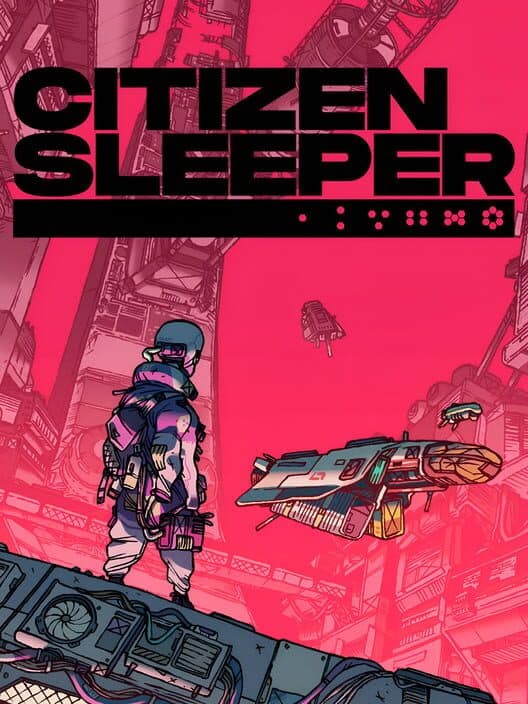
Citizen Sleeper is absolutely worth it if you enjoy text-heavy sci-fi stories and light strategy but have limited gaming time. The whole experience fits into 10–20 hours, so you can see a full arc over a few weeks instead of committing for months. What it asks from you is simple: willingness to read, think a few steps ahead, and sit with some heavy themes about exploitation and survival. In return, it delivers memorable characters, meaningful choices, and a constant sense of progress as your days on the station unfold. There’s no combat grind, no busywork, and no pressure to replay unless you’re genuinely curious about other endings. If you crave fast-paced action or dislike reading, you’ll probably bounce off and should skip or only grab it deep on sale. But if a thoughtful, tabletop-inspired story in a striking sci-fi setting sounds appealing, it’s an easy full-price buy that respects both your wallet and your schedule.

Fellow Traveller • 2022 • Xbox Series X|S, PlayStation 4, PC (Microsoft Windows), PlayStation 5, Mac, Xbox One, Nintendo Switch
Citizen Sleeper is absolutely worth it if you enjoy text-heavy sci-fi stories and light strategy but have limited gaming time. The whole experience fits into 10–20 hours, so you can see a full arc over a few weeks instead of committing for months. What it asks from you is simple: willingness to read, think a few steps ahead, and sit with some heavy themes about exploitation and survival. In return, it delivers memorable characters, meaningful choices, and a constant sense of progress as your days on the station unfold. There’s no combat grind, no busywork, and no pressure to replay unless you’re genuinely curious about other endings. If you crave fast-paced action or dislike reading, you’ll probably bounce off and should skip or only grab it deep on sale. But if a thoughtful, tabletop-inspired story in a striking sci-fi setting sounds appealing, it’s an easy full-price buy that respects both your wallet and your schedule.
When you have an hour or so in the evening and want something thoughtful and story-rich that won’t demand fast reactions or long, continuous focus.
When you’re in the mood to reflect on work, identity, or community and would rather read and make weighty choices than fight through another action set piece.
When real life is unpredictable—you might be interrupted by kids, chores, or messages—but still want a coherent narrative you can chip away at over a few weeks.
A compact 10–20 hour journey, broken into tidy daily cycles that pause cleanly and tolerate real-life interruptions very well.
Citizen Sleeper fits neatly into an adult schedule. A full run that sees one main ending and several key character arcs will usually land somewhere around 10–20 hours, depending on how thoroughly you explore. The game’s structure is built around short in-game days: each cycle you roll dice, take a handful of actions, and then choose to sleep. Those days, plus the completion of individual story timers, create natural stopping points every 20–40 minutes. Autosaving and full pause support mean you can step away at almost any moment without fear of losing progress. There’s no online component, no co-op scheduling, and no expectation that you’ll replay endlessly—one thoughtful run is a perfectly valid way to experience it. Coming back after a gap does involve a brief reorientation, rereading which clocks are active and who’s involved, but the overall scale is small enough that you won’t feel lost for long. It’s a game you can comfortably finish over a couple of weeks of evenings.
Thinky, text-heavy play where you plan your days carefully, but can pause freely and never worry about quick reactions or sudden surprises.
Playing Citizen Sleeper feels like settling in with a strange, interactive novel and a light board game layered on top. Most of your attention goes into reading conversations, checking your resource bars, and studying the circular timers that show each storyline’s progress. At the start of a day you roll dice, then methodically decide where to spend each one: do you work a safe shift, risk a shady job, or push a friend’s quest forward? There’s no real-time pressure at all, so you can take as long as you like to weigh options. The thinking is analytical—more about planning routes and probabilities than about improvising in the moment. Because the systems are compact, you rarely feel overwhelmed, but you do need enough focus to follow who’s who and what each timer represents. You can multitask around interruptions, yet you’ll get the most out of it when you can actually read and reflect rather than skim.
Easy to pick up, modest payoff for deeper system knowledge, with more emphasis on choices and story than on optimization.
Citizen Sleeper is very approachable from a mechanics standpoint. Within an hour or so you’ll understand the basics: roll dice, match higher values to important actions, watch timers fill, and keep your body from failing. From there, improving mostly means getting a better feel for risk, learning which jobs are efficient, and spotting when you can safely push story progress instead of grinding safety. That extra understanding makes runs smoother and helps you aim for particular endings, but the game isn’t built as a mastery playground. There are no complex combat combos or intricate builds to lab for dozens of hours. Skillful play mostly reduces anxiety and opens more options, rather than unlocking a completely different tier of experience. For a busy adult, that’s a plus: you don’t need to “study” the game to enjoy it. A bit of planning goes a long way, and you can comfortably finish a run without ever feeling like you’ve fully optimized everything.
Emotionally heavy but rarely stressful, with quiet tension around survival and choices instead of frantic combat or jump scares.
Citizen Sleeper sits in a gentle but persistent emotional space. You’re dealing with poverty, body horror, and corporate abuse, yet it’s all presented through calm text and stylized art instead of shocking gore or constant danger. There’s a background hum of tension as you watch your condition decay and money run low, thinking about how many good dice you’ll need to keep everything afloat. Mistakes and bad luck can close off opportunities, which adds weight to each decision, but the game usually responds with altered storylines rather than brutal fail screens. For many adults, that lands in a sweet spot: meaningful stakes without sweaty palms. The toughest parts are often ethical rather than mechanical—deciding who you can realistically help when you can’t help everyone. If you’re sensitive to themes of exploitation or bodily autonomy, some scenes may hit hard, but the pacing gives you room to step away and process instead of battering you with constant crises.
Games with a similar rhythm and feel, even if they look different