Wube Software • 2020 • Linux, Nintendo Switch 2, PC (Microsoft Windows), Mac, Nintendo Switch
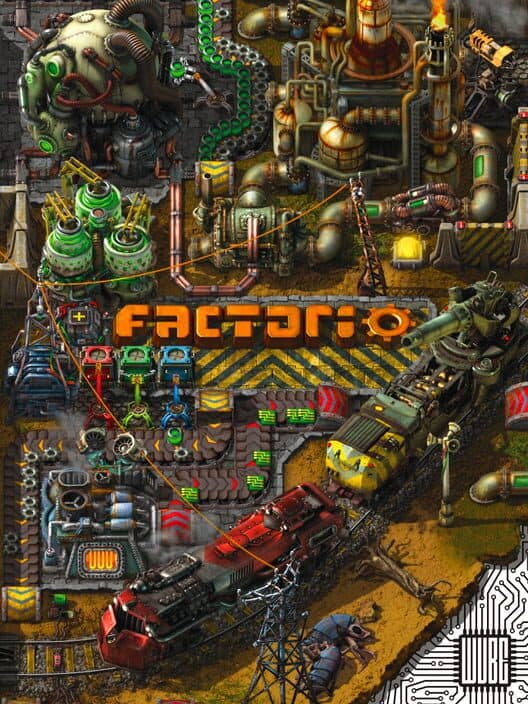
Deep factory-building and automation puzzle sandbox game
Best for long, focused, evening building sessions
Low-action, high-planning sci-fi industrial strategy sandbox game
Factorio is absolutely worth it if you love building systems, solving logistical puzzles, and watching a messy idea slowly turn into a smooth, automated machine. The game asks for real focus and patience: early hours can feel confusing, and sessions tend to stretch because every small fix reveals three more problems. There’s almost no story or flashy combat, so you need to enjoy the quiet, technical side of play. In return, it delivers one of the purest “I made this work” feelings in gaming. Each tech unlock permanently expands what you can build, and seeing your own factory humming along is deeply satisfying. It’s also a one-time purchase with no grindy monetization, so all the compulsion comes from your own curiosity and ambition. Buy at full price if you’re an engineer at heart, a planner, or someone who happily tinkers with spreadsheets. Wait for a sale if you’re curious but unsure about the complexity or time investment. If you mainly want cinematic stories, quick matches, or light, low-effort relaxation, this probably isn’t the right fit.

Wube Software • 2020 • Linux, Nintendo Switch 2, PC (Microsoft Windows), Mac, Nintendo Switch
Deep factory-building and automation puzzle sandbox game
Best for long, focused, evening building sessions
Low-action, high-planning sci-fi industrial strategy sandbox game
Factorio is absolutely worth it if you love building systems, solving logistical puzzles, and watching a messy idea slowly turn into a smooth, automated machine. The game asks for real focus and patience: early hours can feel confusing, and sessions tend to stretch because every small fix reveals three more problems. There’s almost no story or flashy combat, so you need to enjoy the quiet, technical side of play. In return, it delivers one of the purest “I made this work” feelings in gaming. Each tech unlock permanently expands what you can build, and seeing your own factory humming along is deeply satisfying. It’s also a one-time purchase with no grindy monetization, so all the compulsion comes from your own curiosity and ambition. Buy at full price if you’re an engineer at heart, a planner, or someone who happily tinkers with spreadsheets. Wait for a sale if you’re curious but unsure about the complexity or time investment. If you mainly want cinematic stories, quick matches, or light, low-effort relaxation, this probably isn’t the right fit.
Best when you have a quiet evening and 60–120 minutes to spare, and you feel like solving intricate logistical puzzles instead of reacting to fast combat or heavy story beats.
Great for a weekend morning coffee session where you’re mentally fresh, ready to plan a new production block, and okay with one task naturally revealing three more improvements.
Ideal when playing online with one or two like‑minded friends who enjoy dividing roles, chatting on voice, and slowly growing a shared factory together over multiple weeks.
Works best as a medium-long project over weeks, with flexible saves but a strong pull toward long “just one more tweak” sessions.
Factorio is a medium-to-long commitment, but not an all-consuming one unless you let it be. A reasonable first rocket for a busy adult might take 40–80 hours, spread over several weeks of 60–120 minute sessions. There’s no subscription, no daily login pressure, and the game is perfectly happy for you to stop after that first big milestone. Structurally, it’s one big continuous project. There aren’t missions or chapters nudging you to stop; instead, natural breakpoints are things like finishing a new production block or getting a fresh tech tier running. That makes it very easy to fall into “just one more improvement” and accidentally stretch a night longer than planned. Mechanically, it’s very flexible with your schedule. You can save anywhere, pause instantly, and even walk away mid-build if life calls. The harder part is coming back after a long break, because remembering what every section of your factory does can take real mental effort. If you expect on-and-off play over months, it helps to leave notes or signs for your future self so you don’t feel lost when you return.
Demands sustained problem-solving attention as you juggle belts, ratios, and defenses; best when you can give it most of your brain.
Factorio asks a lot from your attention, but in a very specific way. You’re almost always tracking some combination of resource flow, belt layout, production ratios, and defense coverage. There’s very little empty wandering or cutscene time; most of what you do is deliberate planning and hands-on building. That makes it fantastic when you’re in the mood to sink into a long problem, and weaker when you want something you can half-watch with a show on in the background. The good news is that it’s not physically demanding. You’re mostly pointing and clicking at your own pace, not dodging attacks under a strict timer. You can also pause and think whenever you like, which helps busy adults handle quick real-life interruptions. Where it’s demanding is mental clutter. A midgame factory might have dozens of interlocking chains, and your brain will keep trying to hold them all at once. If you come home mentally drained, Factorio can feel like more work instead of a break, but when you’ve got a bit of brainpower to spare it creates a very satisfying tunnel-vision flow.
Takes several evenings to feel comfortable, but deeper understanding of ratios and layouts makes later factories dramatically more powerful and elegant.
Learning Factorio feels like learning a new hobby more than picking up a typical action game. The basic controls are simple, but understanding how belts, inserters, assemblers, and power fit together takes a few focused evenings. Expect your first factory to be messy and inefficient, and that’s fine; “spaghetti” is part of the experience. You’ll pick up core concepts like throughput and ratios by watching where things back up and experimenting with fixes. The game doesn’t force you to use advanced systems right away. You can launch a rocket without perfect ratios, beacons everywhere, or textbook train layouts. So you’ll feel functional long before you’re “good.” If you enjoy reading wikis or watching short videos, that outside help can flatten the curve significantly. Where the game really rewards skill is in later runs or expansions of your base. Once you truly understand production chains and train signaling, you can design clean, scalable layouts that feel almost magical compared to your first attempt. That jump in power and elegance gives a strong sense that your time learning actually paid off, not just in numbers but in how you think.
Low on jump scares and twitchy action, but big factory problems and attacks can create short bursts of real tension.
On the surface, Factorio is pretty calm. There are no horror moments or frantic quick-time events, and most of your time is spent quietly laying out machines and belts. Your heart rate usually stays steady as you tinker and plan. The stress comes in slower, more cerebral waves: realizing your entire base is starved for oil, watching the power graph nosedive, or hearing attack alarms on a weakly defended side of the factory. By default, enemies escalate over time, so ignoring them completely will eventually bite you. Still, combat is rarely about fast reactions. With enough turrets, walls, and ammo production, most attacks turn into background noise, not white‑knuckle firefights. The harsher tension is psychological: knowing that a design mistake might require tearing up a big section of base you spent hours on. Overall, it sits in a low-to-moderate stress band. It’s not the best choice if you’re craving pure relaxation after a brutal day, but it’s far from the jumpy intensity of shooters or horror games. You can also tone the pressure down a lot by tweaking map settings toward easier enemies.
Games with a similar rhythm and feel, even if they look different