Playstack • 2024 • Xbox Series X|S, PlayStation 4, Android, PC (Microsoft Windows), iOS, PlayStation 5, Mac, Xbox One, Nintendo Switch
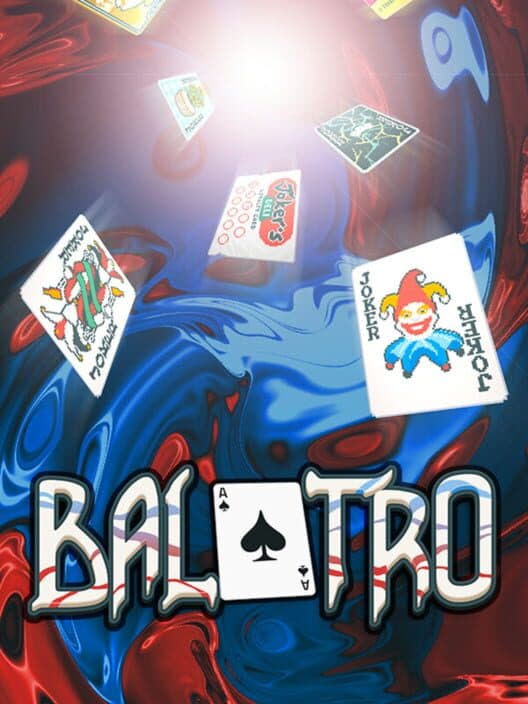
Thinky poker-inspired card runs with wild synergies
30–60 minute solo runs, easy to pause
Relaxed pace, no story, perfect evening wind-down
Balatro is absolutely worth it if you enjoy card games, number puzzles, or slowly breaking systems in clever ways. For the price of a small indie, you get a tightly designed, endlessly replayable solo game with almost no fluff: you’re in a run within seconds, making interesting decisions and chasing ridiculous score explosions. It asks you to be okay with losing runs, reading a fair amount of small text, and thinking through odds and synergies instead of mashing buttons. In return, it delivers a steady stream of satisfying moments where careful planning pays off or luck lines up just right. If you need story, characters, or flashy action to stay engaged, this will likely feel dry. Anyone sensitive to gambling themes should also be cautious, even though there’s no real-money play. For analytically minded adults who want a go-to “one more run” game that respects their time, Balatro is easily a full-price buy; others might wishlist it for a sale.

Playstack • 2024 • Xbox Series X|S, PlayStation 4, Android, PC (Microsoft Windows), iOS, PlayStation 5, Mac, Xbox One, Nintendo Switch
Thinky poker-inspired card runs with wild synergies
30–60 minute solo runs, easy to pause
Relaxed pace, no story, perfect evening wind-down
Balatro is absolutely worth it if you enjoy card games, number puzzles, or slowly breaking systems in clever ways. For the price of a small indie, you get a tightly designed, endlessly replayable solo game with almost no fluff: you’re in a run within seconds, making interesting decisions and chasing ridiculous score explosions. It asks you to be okay with losing runs, reading a fair amount of small text, and thinking through odds and synergies instead of mashing buttons. In return, it delivers a steady stream of satisfying moments where careful planning pays off or luck lines up just right. If you need story, characters, or flashy action to stay engaged, this will likely feel dry. Anyone sensitive to gambling themes should also be cautious, even though there’s no real-money play. For analytically minded adults who want a go-to “one more run” game that respects their time, Balatro is easily a full-price buy; others might wishlist it for a sale.
When you have an hour in the evening and want something thoughtful but low-stress, a single run gives you a complete, satisfying arc without needing a big time block.
On nights when you’re half-watching TV or listening to a podcast, Balatro works well as a side activity that keeps your brain pleasantly engaged without demanding fast reactions.
If you like slowly mastering systems over a few weeks, it’s great as a “main” game you chip away at, learning new decks and combos in short, contained sessions.
Short, flexible solo runs you can pause or resume easily, with enough depth to last weeks but no obligation to play endlessly.
Balatro fits neatly into an adult schedule. A single run usually takes 30–60 minutes, and the game is naturally sliced into blinds and Antes, so you always have a clear point to stop. Autosave means you can safely quit mid-run and pick up later, which is handy if real life cuts a session short. There’s no story to remember and no quest log to reorient around; after a week away you can just start a fresh run and immediately know what to do. To really feel like you’ve “done” what Balatro offers—several wins, a spread of decks, and a sense of the main synergy styles—you’re looking at around 20–40 hours. Beyond that, it becomes a comfort game you can return to indefinitely when you want that specific flavor of puzzle and payoff. There are zero social obligations, no dailies, and no FOMO, though its “just one more run” pull can stretch bedtime if you’re not careful.
Constant low-key card puzzles with lots of reading and planning, but zero time pressure and plenty of space to pause or look away.
Balatro asks more from your brain than from your hands. You’ll spend most of a session reading Joker effects, checking chip targets, and weighing which cards to keep, discard, or upgrade. Each hand is a tiny puzzle: do you chase a big multiplier with riskier odds, or bank a smaller but safer payout? There’s no timer, no action, and no need for fast reactions, so you can play entirely at your own pace. You can also pause mentally at any moment to answer a text, help a child, or grab a drink without the game punishing you. The catch is that the decisions keep coming; there isn’t much true autopilot. If you’re mentally wiped, staring at a screen of small text and numbers may feel like work. In return, Balatro delivers frequent little “aha” moments and a pleasant sense of cleverness, without demanding the all-consuming focus of a hardcore strategy game.
Easy to pick up in a night or two, with plenty of depth for players who enjoy learning odds and card synergies.
Getting started in Balatro is straightforward, especially if you already know basic poker hands. Within a few hours you’ll understand how to hit chip targets, use discards well, and grab obvious upgrades from the shop. The game doesn’t demand perfection to let you win on the default setting, so you can stay in a relaxed, exploratory groove and still clear runs. Where it deepens is in pattern recognition: which Jokers secretly break the game when combined, when to pivot from one strategy to another, how to value cash versus upgrades, and when to gamble on a greedy line. As you improve, your win rate rises noticeably and higher difficulty stakes start to feel doable, which is very satisfying if you enjoy skill-based progress. You never need frame-perfect inputs or esports-level focus—just curiosity and a willingness to learn from failed runs. It’s a great fit if you like mastering systems over time without the pressure of competitive ladders.
Mostly calm, thinky sessions with occasional heart-in-mouth moments when a whole run hangs on a single risky hand.
Balatro is far more about mental tension than physical stress. Most of the time you’re calmly plotting out hands and shop buys, with no on-screen chaos or time limits pushing your heart rate up. The intensity comes in spikes: a boss blind where you’re behind on chips, a desperate final hand where you need one specific draw, or an absurd combo that suddenly floods the screen with points. Losing a run can sting, especially if you’ve nurtured a great engine, but runs are short and there’s no long-term penalty or lost save file to agonize over. Compared to action games or horror titles, it’s a gentler kind of excitement—more like a tight board game than a firefight. This makes it a good fit if you want engagement without adrenaline. The main caveat is the gambling flavor; if poker tables, chips, and “one more spin” vibes are personally sensitive, the emotional hooks can feel stronger than the mechanics alone suggest.
Games with a similar rhythm and feel, even if they look different