hello@slated.gg
Powered by IGDB•Privacy•Terms

© 2026 Slated.gg

Slated.gg
Popular GamesAboutDiscover Games
Armatus

Fictions • 2027 • Xbox Series X|S, Nintendo Switch 2, PC (Microsoft Windows), PlayStation 5
Satisfying to completePerfect for a weekend
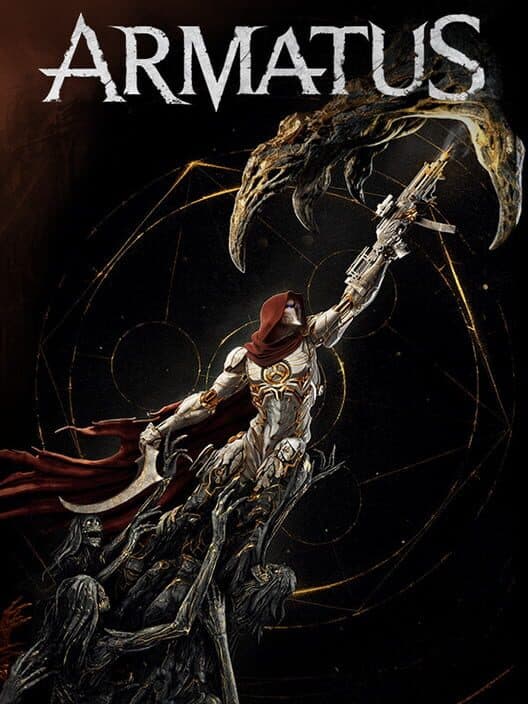
Armatus cover art

Armatus

Fictions • 2027 • Xbox Series X|S, Nintendo Switch 2, PC (Microsoft Windows), PlayStation 5

Satisfying to completePerfect for a weekend

Is Armatus Worth It?

Based on current demo and preview coverage, Armatus looks worth it if you want fast solo runs, flashy build combos, and a dark action game that gets exciting quickly. Its clearest hook is the mix of gunplay, scythe combat, and upgrade chains that can turn a normal run into a room-clearing power trip. That makes it easy to see the appeal for anyone who likes Hades-style repetition with more shooter energy. What it asks from you is focus. You’ll likely need quick reactions, solid movement, and a willingness to learn enemy patterns through repeated deaths. It also asks for some tolerance around launch uncertainty, because the strongest current concerns are PC performance and whether the full game has enough long-term variety. Buy at full price if that core loop already sounds like your thing and you’re comfortable with some launch risk. Wait for a sale or a few patches if you’re sensitive to performance issues or you need proof that the full release stays fresh. Skip it if you want calm exploration, a story-led adventure, or flexible save-anywhere play.

What is Armatus like?

Opinions of Armatus

What Players Love

  • Players Love

    Combat feel and build combos drive one more run

    Preview coverage keeps praising the immediate fun of shooting, dodging, and stacking upgrades. When a build clicks, rooms can snowball into flashy, satisfying clears.

  • Players Love

    Gun and scythe combat feels agile and distinct

    Players like the mobile rhythm of kiting with firearms, then swapping to melee when enemies close in. That hybrid style helps the action stand out from slower shooters.

Common Concerns

  • Common Concern

    PC demo performance issues raise real launch concerns

    Bug threads, frame-rate complaints, and the unusually large demo size were some of the clearest negatives in early feedback. Performance sensitivity may make waiting wise.

  • Common Concern

    Long term variety still needs to prove itself

    Even positive previews question whether the full game will offer enough enemy, weapon, and objective variety to stay exciting well beyond the first few strong runs.

Divisive Aspects

  • Divisive

    Early bosses split players on fairness and tuning

    Some players saw early bosses as solid skill checks, while others found the pressure or attack design frustrating. Boss balance may be a real love-it-or-hate-it factor.

What does Armatus demand from you?

Time

LOW

Time

Built for solo nights in chunks, with clean run structure and easy pausing, though mid-run saving still looks limited.

LOW

This seems fairly workable for a busy schedule, with one important caveat. Armatus is built around solo runs from a hub, so the rhythm is naturally easy to understand and easy to schedule. There are clear goals, clear endpoints, and no social obligations pulling you into longer sessions than you planned. That is a real plus if your game time comes in 60 to 90 minute windows. On top of that, full pause should make sudden interruptions much less painful than in always-online or multiplayer games. The catch is that flexible stopping is not the same as flexible saving. Based on current info, the safest assumption is that full progress is best banked between runs, not at any random second. So the game asks you to respect the shape of a run, even if it lets you pause within one. In return, it delivers a structure that is easy to return to after a few days away. You are not rebuilding a giant quest log or remembering a complicated story state. You just pick a weapon, start a run, and get back into the loop quickly.

Tips
  • If you only have 30 minutes, spend it in the hub or on a quick attempt rather than starting a run you cannot comfortably finish.
  • End nights after a boss, death, or clear. Those moments will likely be the cleanest places to step away.
  • Keep one or two favorite loadout paths in mind. That makes coming back after a week much smoother.

Focus

HIGH

Focus

You need real screen attention almost every room, mixing quick dodges and target reads with light build planning between bursts of demon chaos.

HIGH

Armatus looks like the kind of game that asks you to be present right now, not half-watching a show on the side. In active rooms, you’re likely juggling enemy spacing, incoming projectiles, escape lanes, and the split-second choice between keeping distance or cutting in with the scythe. That means the mental load comes less from studying long menus and more from staying sharp while the screen gets busy. The good trade is that this kind of attention usually feels exciting. When a run is flowing, you get that locked-in state where movement, aiming, and quick choices all feed each other. The planning layer seems light but meaningful. Between fights, picking a route or reward that supports your current build should matter, but not so much that every choice turns into homework. So the game asks for steady concentration and decent reflexes, then pays you back with fast, stylish combat where smart movement and good reads make you feel powerful. If you like action that keeps your hands and eyes busy, that’s a plus. If you want something you can casually glance away from, this probably isn’t it.

Tips
  • Treat every room like a small arena puzzle. Keep one escape lane open instead of chasing damage into a corner.
  • Pick upgrades that support your current weapon plan early. Focused builds are usually easier to pilot than scattered good stuff.
  • Use pause freely during runs. The action looks too busy for distracted play, but the solo structure should let you stop cleanly.

Challenge

MODERATE

Challenge

Easy to understand quickly, harder to play cleanly. The fun comes from learning enemy rhythms and noticing which upgrades turn a run from decent to wild.

MODERATE

Armatus does not look brutally hard to understand, but it does seem like a game that gets better as you learn its rhythms. You’ll probably grasp the basics fast: pick a weapon, enter a run, dodge danger, grab upgrades, push deeper. The real improvement comes from repetition. Over time, you start reading enemy tells earlier, choosing safer movement paths, and spotting which boons actually strengthen the way you already play. That means the game asks for practice more than study. You are building familiarity with fights and systems rather than memorizing pages of rules. The good news is that the loop seems built to reward that effort quickly. Persistent upgrades and weapon mastery should make failed runs feel useful, and the strong early power curve means you are not waiting forever to feel cool. In return for a few rough learning sessions, you get a satisfying arc from barely surviving rooms to shaping them on purpose. People who enjoy improving through repetition should click with it. People who dislike redoing content after death may bounce off much faster.

Tips
  • Learn one weapon deeply before rotating. Familiar movement and damage timing make the rest of the system much easier to read.
  • Watch boss patterns for a run or two instead of forcing damage. Clean survival usually teaches more than a reckless near-win.
  • When a synergy feels strong, repeat it on purpose. Reusing good combinations helps you understand why they work.

Intensity

HIGH

Intensity

Expect steady pressure rather than pure horror. Tough rooms, lost runs, and boss checks create a strong buzz without becoming nonstop misery.

HIGH

Armatus appears to sit in a lively middle ground. It is not calm, cozy, or low-stakes, but it also does not seem built to crush you with dread. The pressure mostly comes from fast combat, projectile-heavy rooms, and the familiar roguelite feeling that a promising build can vanish if you get sloppy. That creates a strong hum of tension through a run, especially when you’re close to a boss or finally assembling a powerful combo. The grim setting adds edge, but the overall mood still sounds more like a dark power fantasy than a horror ordeal. That trade works well if you enjoy action that keeps your pulse up. The game asks you to accept failure as part of the loop and stay cool when rooms get messy. In return, it should deliver those great release-valve moments where your build suddenly clicks and whole encounters collapse under your control. The likely downside is timing. This seems better for nights when you want energy and momentum, not when you’re tired and looking to completely unwind.

Tips
  • Start sessions when you have enough energy for boss attempts. Tired play will likely make projectile-heavy rooms feel much harsher.
  • Bank progress at the hub if you are frustrated. A fresh run is often better than forcing one more shaky push.
  • If a weapon style stresses you out, switch lanes. A steadier ranged setup may be easier than a risky melee-heavy run.

Frequently Asked Questions

Armatus looks medium-hard, not impossible. The main challenge seems to come from fast rooms, projectile pressure, boss patterns, and the usual roguelite pain of losing a strong run when you slip up. If you’ve played something like Hades, this appears to live in a similar neighborhood: demanding enough that you need to learn, but not so punishing that every mistake feels fatal. It looks less oppressive than Returnal, and much more action-driven than a slow, methodical game. It also seems easier to understand than to master. You should be able to learn the basics quickly: move constantly, manage spacing, pick upgrades that support your current weapon, and watch boss tells. The harder part is staying clean under pressure and knowing when a build is coming together versus when it needs safer choices. Persistent upgrades should soften the early wall, which matters a lot for first-time players. If you enjoy improving through repeated runs, the difficulty will probably feel motivating. If you hate losing progress after death or you struggle with fast dodge-heavy combat, it may feel harsher than its stylish presentation suggests.

A reasonable early estimate is about 10 to 15 hours to reach a first clear if the full release matches current previews, with 20 to 35 hours for players who keep chasing weapon mastery, better runs, and more build variety. That puts Armatus in the 'couple of weekends to feel satisfied' range rather than the 'months of your life' range. Its structure should help a lot with scheduling. The game appears built around a hub, then a run, then a reset or victory screen, which creates clear stopping points. A typical session will likely land around 45 to 90 minutes, depending on how far a run goes and whether you spend extra time in the hub testing upgrades. Full pause should make short interruptions manageable, but mid-run saving still looks uncertain, so clean progress banking is safest between runs. If you fall in love with the build experimentation, the total hours can stretch much further. But for most people, the core experience seems designed to feel complete well before it turns into a lifestyle game.

Armatus looks moderately stressful in a good action-game way. Expect pulse-raising combat, crowded rooms, boss pressure, and the sting of watching a promising run end early. The dark setting and gore add weight, but this does not seem like a horror game built to make you feel helpless. The mood looks more like grim momentum than fear. That difference matters. The stress here should come from performance and stakes, not from dread or constant misery. When the game is working, the pressure likely feeds the fun. You stay alert, improvise through messy fights, and then get a big payoff when a build starts deleting rooms. That can feel great when you want something energetic. It is probably not the best choice when you are exhausted or looking to fully relax. Fast projectile-heavy action usually punishes tired play. But if you want a focused, punchy session that keeps you engaged and gives you those strong comeback moments, it seems well suited to that kind of night.

Yes. Armatus is designed around solo play, and that actually makes it easier to fit into a normal schedule than many modern action games. There is no sign of co-op coordination, raid planning, or other social commitments. You can simply sit down, choose a weapon, do a run, and stop when you hit a natural endpoint. It also seems fairly casual-friendly with one caveat. Full pause should make sudden interruptions easy to handle, which is a big win if life gets in the way. The downside is that casual-friendly does not mean low-attention. During active rooms, you will probably need your full focus, and the run-based structure may not support convenient mid-run saving. In practice, that means it works best in chunks where you can give it real attention, even if those chunks are only an hour long. If your version of casual means 'I want complete flexibility and a very low-stress pace,' this may not fit. If it means 'I want a solo game with clear sessions and no social pressure,' it looks like a strong match.

No, Armatus does not currently show signs of being pay-to-win. Everything public points to a premium one-time purchase, and official storefronts do not advertise battle passes, gacha pulls, paid power boosts, or other systems that let you buy a gameplay advantage. Xbox launch availability through Game Pass also fits that model rather than a cash-shop economy. That matters for this kind of game because the whole appeal is learning the combat loop, building stronger runs through play, and unlocking long-term growth by spending time with the system. Selling power would undercut that structure, and there is no evidence the game is built that way. Right now, the progression seems tied to runs, mastery, and persistent upgrades earned in-game. Of course, this is still based on pre-release information, so post-launch monetization could always change. But from the current evidence, there is no reason to expect purchased power or pay-to-win pressure. If monetization stays as advertised, success should come from skill, repetition, and smart upgrade choices, not your wallet.

You Might Also Like

Games with a similar rhythm and feel, even if they look different
Explore more→
Ninja Gaiden 4 game cover art
Satisfying to completePerfect for a weekend

Ninja Gaiden 4

Time
LOW
Focus
VERY HIGH
Challenge
HIGH
Intensity
HIGH
Onimusha: Way of the Sword game cover art
Satisfying to complete

Onimusha: Way of the Sword

Time
MODERATE
Focus
HIGH
Challenge
MODERATE
Intensity
MODERATE
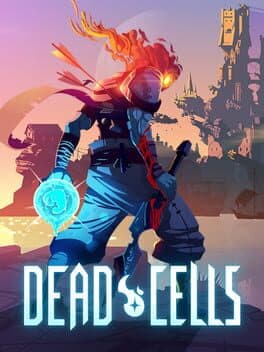
Dead Cells game cover art
Satisfying to completePerfect for a weekend

Dead Cells

Time
LOW
Focus
HIGH
Challenge
HIGH
Intensity
HIGH
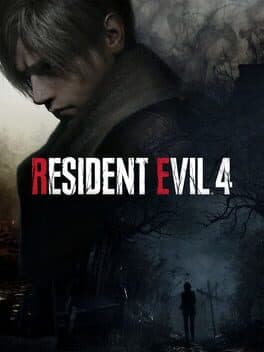
Resident Evil 4 game cover art
Satisfying to completePerfect for a weekend

Resident Evil 4

Time
LOW
Focus
HIGH
Challenge
MODERATE
Intensity
HIGH
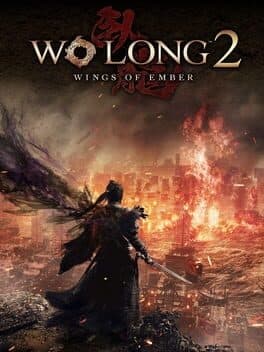
Wo Long 2: Wings of Ember game cover art
Satisfying to complete

Wo Long 2: Wings of Ember

Time
MODERATE
Focus
HIGH
Challenge
MODERATE
Intensity
HIGH
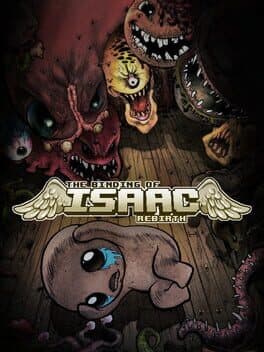
The Binding of Isaac: Rebirth game cover art

The Binding of Isaac: Rebirth

Time
LOW
Focus
HIGH
Challenge
MODERATE
Intensity
HIGH
← Back to Home