hello@slated.gg
Powered by IGDB•Privacy•Terms

© 2026 Slated.gg

Slated.gg
Popular GamesAboutDiscover Games
Onimusha: Way of the Sword

Capcom • 2026 • Xbox Series X|S, Nintendo Switch 2, PC (Microsoft Windows), PlayStation 5
Satisfying to complete
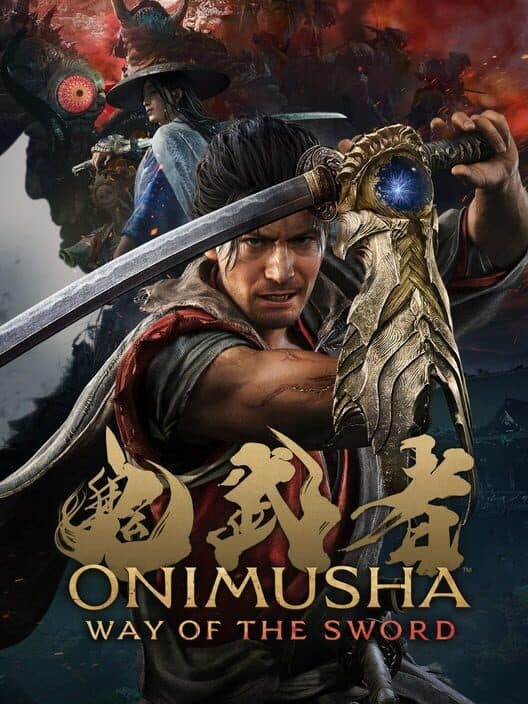
Onimusha: Way of the Sword cover art

Onimusha: Way of the Sword

Capcom • 2026 • Xbox Series X|S, Nintendo Switch 2, PC (Microsoft Windows), PlayStation 5

Satisfying to complete

Is Onimusha: Way of the Sword Worth It?

Based on the public demo and preview coverage, Onimusha: Way of the Sword looks worth it if you want a focused solo adventure built around weighty sword combat and a moody version of Kyoto. Its biggest draw is not sheer size. It is the feel of blade clashes, parries, and brutal finishers inside a dark, handcrafted world. For players who like action games but bounce off full Souls-style punishment, this seems to hit a middle ground. It asks for steady attention, decent timing, and comfort with gore. It does not look like a game you play half-distracted or around young kids. If final reviews confirm the full release keeps the strong combat feel and adds more bite than the easy demo, this is a solid full-price pick for people who want a stylish single-player ride. Wait for a sale if you are unsure about the challenge tuning, PC performance, or mirror-based saves. Skip it if you want co-op, deep build experimentation, or something light and cozy.

What is Onimusha: Way of the Sword like?

Opinions of Onimusha: Way of the Sword

What Players Love

  • Players Love

    Sword clashes and counters feel heavy and polished

    Most early praise centers on how good the blade work feels. Parries, clashes, counters, and finishing blows look sharp, weighty, and satisfying to pull off.

  • Players Love

    Twisted Kyoto gives the journey strong atmosphere throughout

    Players and previewers keep calling out the eerie Kyoto setting. Corrupted temples, cursed streets, and dark folklore give the journey a strong sense of place.

Common Concerns

  • Common Concern

    Early demo difficulty undersold the combat depth for many

    A common complaint is that the demo let enemies fold too easily, which made the combat seem simpler than it likely is and left some players worried about long-term challenge.

  • Common Concern

    PC demo had control and camera issues for some

    A smaller but real group reported controller issues, crashes, awkward camera feel, or FOV discomfort on PC. It does not dominate feedback, but it is worth watching.

Divisive Aspects

  • Divisive

    Modern changes split longtime fans on the series feel

    Some longtime fans love the refreshed structure and presentation, while others miss the older series feel. Newcomers seem less bothered by that identity debate.

What does Onimusha: Way of the Sword demand from you?

Time

MODERATE

Time

This is a contained solo journey with decent stopping points and full pause support, though mirror-based saving means hard stops work best near checkpoints.

MODERATE

This looks like a manageable campaign rather than a second job. Based on the demo and previews, most players will probably feel satisfied somewhere around a few weeks of regular play, not months. The structure helps: areas, side objectives, minibosses, and bigger bosses create natural places to stop, and full pause support is a real plus when life interrupts. The main compromise is saving. Progress appears tied to Spirit Mirrors, so you can step away anytime but may still want to reach a mirror before ending the night. Returning after a week should take a little warm-up because timing-heavy combat goes rusty, but the main path and upgrade flow look readable enough that you should not feel completely lost. It is also a purely solo experience, so there is no pressure to keep up with friends, raids, or seasonal chores. If you want a dark, handcrafted adventure you can move through in steady 60 to 90 minute chunks, it seems well suited.

Tips
  • End sessions at mirrors
  • Follow main path first
  • Expect hour-long chunks

Focus

HIGH

Focus

You need real eyes-on-screen attention for parries, spacing, and crowd reads, but calmer exploration stretches keep it from feeling nonstop frantic.

HIGH

Onimusha looks like the kind of game you play with your eyes and hands fully engaged, especially in fights. Regular enemies are not just padding. You are reading tells, choosing whether to parry or dodge, watching for projectiles, and deciding when to cash in special tools or save them for a harder duel. The good news is that it does not seem nonstop frantic. Exploration through Kyoto, side paths, and mirror rooms gives you breathing space between the sharpest combat checks. For a busy player, that means it works well when you can give it a clean hour, not when you are half watching TV. In return, that attention buys you satisfying blade-to-blade rhythm. When the combat clicks, success feels earned because you saw the opening, trusted your timing, and took control instead of mashing. It asks for steady focus, then pays you back with fights that feel deliberate, readable, and satisfying to survive cleanly.

Tips
  • Watch enemy hands first
  • Clear ranged threats early
  • Do not mash through crowds

Challenge

MODERATE

Challenge

The combat should click for most players after a few sessions, yet clean counters and confident defense reward practice far more than button mashing.

MODERATE

The basics look approachable, not effortless. Capcom is clearly trying to teach the rhythm instead of hiding the rules, and difficulty options should help newer players get comfortable with parries, dodges, counters, and soul use. That makes the first few hours more inviting than a full-on punishment game. The catch is that the combat seems built around doing the right thing at the right moment, not just surviving by button mashing. So getting competent will likely take a few sessions, and getting stylish will take much longer. The learning process also seems fairer than mysterious. You are reading enemy patterns and practicing timing, not hunting through menus or needing a wiki to understand basic systems. If you enjoy action games where repetition turns panic into confidence, it should be satisfying. If you hate practicing the same defensive beat until it sticks, the combat may feel demanding faster than the story pulls you forward.

Tips
  • Practice parries on fodder
  • Learn one defense rhythm
  • Save bursts for panic

Intensity

MODERATE

Intensity

Expect bursts of bloody tension during duels and bosses, wrapped in a grim mood that stays sharp without becoming relentless horror or constant punishment.

MODERATE

The mood is dark, bloody, and serious, but not pure nightmare fuel. Most of the pressure seems to come in spikes: tense duels, grim boss intros, and fights where a missed parry can quickly turn momentum against you. Between those peaks, the game appears calmer than a horror title or a punishing survival game. That makes it more lean-forward and lock-in than white-knuckle all night. For many players, the stress will feel like good stress. You are bracing for the next sword clash, not dreading the loss of hours of progress. Still, if gore, body horror, or timing-based combat puts you on edge, this is not a cozy weeknight backdrop. It looks best when you want something intense enough to wake you up without dragging you through constant misery. It asks for some nerves and some tolerance for dark imagery, then rewards you with sharp duels and a strong sense of danger.

Tips
  • Pause after big duels
  • Use Story mode freely
  • Bank healing before bosses

Frequently Asked Questions

Onimusha: Way of the Sword looks medium difficulty overall, with harder spikes during duels and bosses. The main source of challenge is timing. You need to read attacks, parry or dodge cleanly, and avoid turning every fight into button mashing. Based on the demo and developer messaging, it does not look as punishing as Sekiro or a typical Souls game, but it should demand more precision than a standard story-heavy action adventure on normal. The good news is that it seems easier to learn than it is to master. Most players should understand the basics after a few sessions, especially with Story and Action modes plus tuning aids. The harder part is building confidence so parries, soul use, and counters feel natural under pressure. If you already enjoy God of War on normal, this should feel familiar but a little more timing-heavy. If you dislike repeated boss attempts or get frustrated by defensive combat, it may feel tougher than the trailers suggest.

Best estimate right now is 15 to 25 hours for the main campaign, with 25 to 35 hours if you chase side paths, extra items, and cleanup. Those numbers are still estimates because the full game was not broadly review-validated at research time, but everything shown points to a contained campaign rather than a huge time sink. The structure seems friendly to 60 to 90 minute sessions. You push through an area, take a detour or two, beat a miniboss or boss, then usually have a good reason to stop. Full pause helps if life interrupts, though actual saves appear tied to Spirit Mirrors, so ending a night cleanly may mean walking a little farther first. This does not look like a game that needs months to feel complete. If you stay on the main path and sample a little side content, you should be able to see the credits and feel satisfied over a few weeks of regular play.

Expect a moderate level of stress, mostly the good kind. The game looks tense during sword duels, boss fights, and any moment where a missed parry turns the fight against you. The dark fantasy tone, gore, and eerie Kyoto setting also keep the mood heavier than a bright action game. That said, it does not seem built to keep your heart rate maxed out from start to finish. There are exploration stretches, mirror rooms, and story beats that give you space to breathe between the sharpest encounters. So this feels closer to focused action tension than survival-horror dread. The stress becomes bad stress only if timing-based defense frustrates you or if gore puts you off before the combat can shine. It is probably best played when you are alert and in the mood to lean forward, not when you want a sleepy background game. If you enjoy the pressure of learning a boss and finally landing the clean counter, this should feel energizing more than exhausting.

Yes. In fact, it appears built entirely around solo play. There is no sign of co-op, PvP, shared progression, or group obligations, so you can move at your own pace without coordinating with anyone else. That makes it much easier to fit into a busy week. It also seems reasonably friendly to casual scheduling, with full pause support and area-based progression that creates natural stopping points after a side objective, miniboss, or main boss. The main caveat is saving. Progress looks tied to Spirit Mirrors rather than full save-anywhere freedom, so you can pause anytime but may want a few extra minutes to reach a checkpoint before shutting down for the night. Coming back after several days should be manageable, though you may need a short warm-up to get your parry timing back. So yes, you can absolutely play it casually and solo. Just do not expect mindless background play. It looks best in focused hour-long chunks where you can settle in and really engage with the combat.

Not in the usual competitive sense, but there is a small asterisk here. Onimusha: Way of the Sword is a premium single-player game, so nobody is buying an advantage over you in matchmaking or ranked play. That said, current store information points to optional paid items, and the research flags some as gameplay-helping rather than purely cosmetic. If those items make combat easier or smooth progression, that is still paid power, just in a solo game instead of a competitive one. For many players, that will matter less because the core experience is offline and self-contained. You can simply ignore the extras and play normally. Still, if you strongly dislike any store-bought boost in a full-price release, it is a fair reason to be cautious. The safest read is this: it does not look predatory in the live-service sense, but it may include optional purchases that soften the challenge or give small advantages. If that bothers you, wait for clear post-launch breakdowns before buying.

You Might Also Like

Games with a similar rhythm and feel, even if they look different

Explore more→
Stellar Blade game cover art
Satisfying to complete

Stellar Blade

Time
MODERATE
Focus
HIGH
Challenge
MODERATE
Intensity
MODERATE
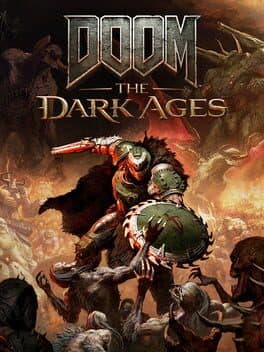
Doom: The Dark Ages game cover art
Satisfying to complete

Doom: The Dark Ages

Time
LOW
Focus
HIGH
Challenge
MODERATE
Intensity
HIGH
Luna Abyss game cover art
Satisfying to complete

Luna Abyss

Time
LOW
Focus
HIGH
Challenge
MODERATE
Intensity
MODERATE
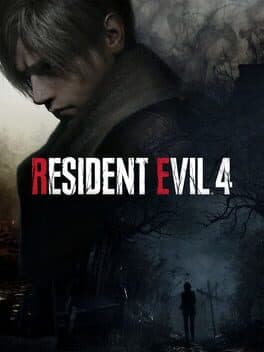
Resident Evil 4 game cover art
Satisfying to complete

Resident Evil 4

Time
LOW
Focus
HIGH
Challenge
MODERATE
Intensity
HIGH
Control Resonant game cover art
Satisfying to complete

Control Resonant

Time
MODERATE
Focus
HIGH
Challenge
MODERATE
Intensity
MODERATE
Exodus game cover art
Satisfying to complete

Exodus

Time
MODERATE
Focus
MODERATE
Challenge
MODERATE
Intensity
MODERATE
← Back to Home