Nintendo • 2020 • Nintendo Switch
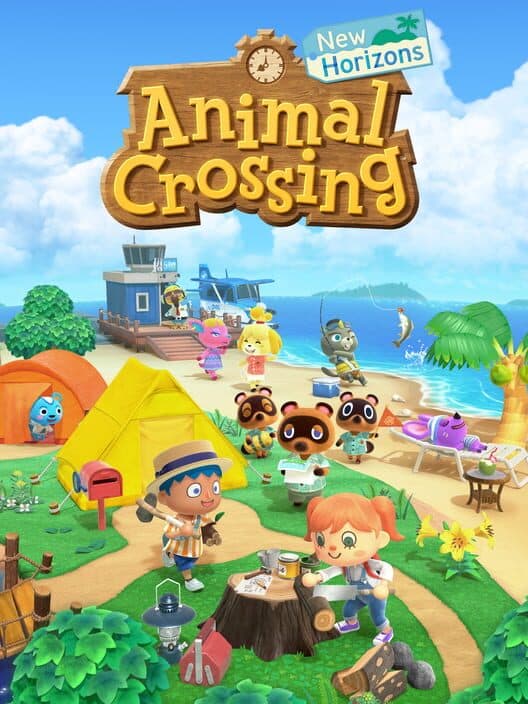
Animal Crossing: New Horizons
Nintendo • 2020 • Nintendo Switch
Is Animal Crossing: New Horizons Worth It?
Yes, Animal Crossing: New Horizons is worth it if you want a calming game you can live in for weeks instead of blasting through in a weekend. Its best trick is how small actions start to matter. Picking weeds, donating a fish, or placing one bench does not sound exciting on paper, but over time your island becomes a personal space full of your habits and choices. Buy at full price if you love cozy routines, decorating, collecting, and games that feel good in short nightly sessions. Wait for a sale if you like the idea but know slow menus, tool durability, or real-world pacing usually bother you. Skip it if you want strong story momentum, meaningful difficulty, or a game that keeps surprising you with new systems every hour. What it asks from you is patience and self-direction. What it gives back is comfort, ownership, and the steady pleasure of seeing a place become yours. For the right player, it is not just good. It becomes part of the week.
What is Animal Crossing: New Horizons like?
Opinions of Animal Crossing: New Horizons
What Players Love
- Players Love
Relaxing daily routine makes it easy to unwind
Small tasks like fossil hunts, fishing laps, and chatting with neighbors create a dependable evening ritual that many players treat as a favorite way to decompress.
- Players Love
Customization gives your island a real sense of ownership
Decorating rooms, shaping outdoor spaces, and building themed corners turns the island into something personal, which is why many players stay long past the main milestone.
Common Concerns
- Common Concern
Menus, crafting, and tool durability can wear you down
Repeated dialogue, one-at-a-time crafting, and tools that break too often are the most common frustrations, especially during longer resource-gathering sessions.
- Common Concern
Online visits and shared islands feel more awkward than relaxing
The social side is fun once it works, but travel prompts, coordination steps, and shared-console rules often feel clunkier than the rest of the experience.
Divisive Aspects
- Divisive
Real-time pacing feels either cozy or frustratingly slow
Some players love checking in each day and letting progress breathe, while others bounce off the waiting and real-world gating that limits binge play.
What does Animal Crossing: New Horizons demand from you?
Time
LOWTime
It fits short nights beautifully, but its real-world clock means the best progress comes from steady check-ins over weeks instead of one weekend binge.
Focus
VERY LOWFocus
You can relax through most sessions, but the game still rewards light planning around chores, materials, shop hours, and how you want your island to look.
Challenge
VERY LOWChallenge
You will understand the basics fast, and the real long-term skill is taste, planning, and patience rather than mechanical execution or memorizing hard systems.
Intensity
VERY LOWIntensity
This is comfort food, not a pressure cooker; mistakes barely sting, and the few exciting moments are rare catches, balloon presents, or racing a closing shop.
Frequently Asked Questions
You Might Also Like
Games with a similar rhythm and feel, even if they look different