Powered by IGDB•Privacy•Terms

© 2026 Slated.gg

Slated.gg
Popular GamesAbout

Core Keeper

Fireshine Games • 2024 • Xbox Series X|S, PlayStation 4, Linux, PC (Microsoft Windows), PlayStation 5, Xbox One, Nintendo Switch
Relaxing & low-pressureEasy to jump intoFreedom to experiment

Is Core Keeper Worth It?

Core Keeper is worth it if you enjoy cozy, progression-focused sandboxes and don’t need a strong story driving you forward. It turns your time into visible results: longer tunnels, better gear, greener farms, and a steadily improving base. The moment-to-moment play is simple but satisfying, making it great for unwinding after work rather than pushing your limits. It does ask for a moderate time investment to see its best parts. Expect 20–40 hours to beat the main bosses and build a proper underground home, with plenty more available if you love decorating or optimizing. There’s no pressure from timers, battle passes, or required co-op, and the game pauses and autosaves well, so it fits around adult responsibilities. Buy at full price if you like Terraria-style building, Stardew-like comfort, or relaxed survival crafting. Wait for a sale if you mainly crave deep narrative or complex combat systems. Skip it if repetitive gathering or open-ended goals tend to leave you feeling bored or aimless.

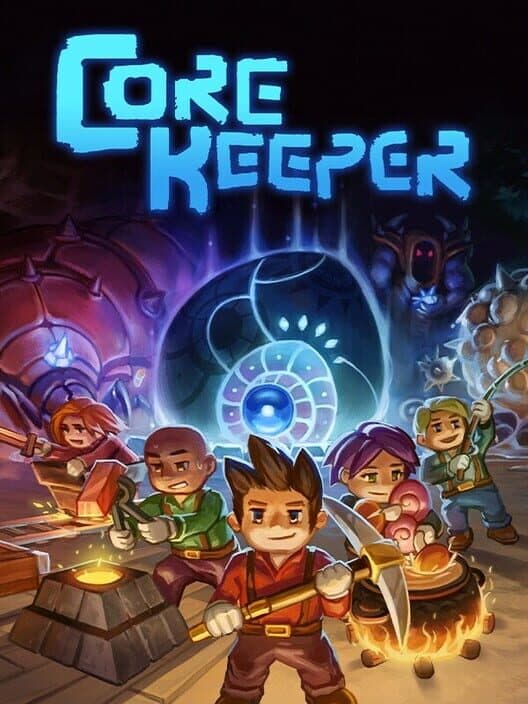
Core Keeper cover art

Core Keeper

Fireshine Games • 2024 • Xbox Series X|S, PlayStation 4, Linux, PC (Microsoft Windows), PlayStation 5, Xbox One, Nintendo Switch

Relaxing & low-pressureEasy to jump intoFreedom to experiment

Is Core Keeper Worth It?

Core Keeper is worth it if you enjoy cozy, progression-focused sandboxes and don’t need a strong story driving you forward. It turns your time into visible results: longer tunnels, better gear, greener farms, and a steadily improving base. The moment-to-moment play is simple but satisfying, making it great for unwinding after work rather than pushing your limits. It does ask for a moderate time investment to see its best parts. Expect 20–40 hours to beat the main bosses and build a proper underground home, with plenty more available if you love decorating or optimizing. There’s no pressure from timers, battle passes, or required co-op, and the game pauses and autosaves well, so it fits around adult responsibilities. Buy at full price if you like Terraria-style building, Stardew-like comfort, or relaxed survival crafting. Wait for a sale if you mainly crave deep narrative or complex combat systems. Skip it if repetitive gathering or open-ended goals tend to leave you feeling bored or aimless.

What is Core Keeper like?

What does Core Keeper demand from you?

Commitment

MODERATE

Commitment

Flexible, come-and-go sandbox where you can make real progress in an hour but could happily tinker with your underground base for weeks.

MODERATE

Core Keeper is kind to a busy schedule. You can get something meaningful done in 45–90 minutes, whether that’s expanding tunnels, improving your farm, or nudging closer to the next boss. The game autosaves world progress, and solo play can be paused at any time, so interruptions from kids, pets, or life are easy to handle. There are no daily logins or raid schedules demanding that you show up. Reaching a point where you feel ‘I’ve seen what this game offers’ usually takes around 20–40 hours if you focus on beating the main bosses and building a stable base. Beyond that, the experience stretches as long as you enjoy decorating, optimizing, or starting fresh worlds. Because goals are mostly self-set, coming back after a break may involve a brief moment of reorientation, but your base and map make it easy to remember what to do next. Co-op is optional, so you’re never locked behind group content.

Tips

  • Aim for sessions of about an hour where you pick one clear goal—like upgrading armor or reaching a new biome edge—and stop once that’s done.
  • Try to end nights safely back at base with chests organized and smelters running, and leave a chest or sign as a reminder for next time.
  • Treat co-op as a bonus rather than a requirement, so you can continue solo progress without waiting on friends’ schedules.

Focus

MODERATE

Focus

Mostly low-effort digging and building with occasional bursts of planning and attention when you push into new areas or take on bosses.

MODERATE

Core Keeper usually lets your mind idle pleasantly while your hands do the work. Mining, farming, and sorting chests are simple, repeatable actions that don’t demand intense concentration. You’ll track where you’re going on the map, keep an eye on durability and food, and notice enemies, but the overall mental load stays gentle. Things sharpen up when you plan a biome push, organize a major base expansion, or prepare for a boss, because you’re suddenly thinking about routes, resources, and backup plans. For a busy adult, this means you can play Core Keeper on evenings when you’re mentally tired without feeling overwhelmed. You can even half-listen to a podcast during safe chores, then refocus during trickier moments. The game asks you to think just enough to feel engaged while still being a comfortable ‘wind-down’ choice rather than a brain-burner.

Tips

  • Use relaxed mining or farming runs on low-energy nights, and save boss attempts or new biomes for when you feel more alert.
  • Light and wall off your main tunnels and base so you can safely glance away or answer messages without worrying about constant ambushes.
  • Before exploring a fresh area, pick one clear goal—like reaching a resource patch or possible boss arena—to avoid decision paralysis when you’re tired.

Mastery

LOW

Mastery

Quick to learn in an evening, with gradual improvements in planning and combat making everything smoother rather than radically changing the game.

LOW

Core Keeper teaches its basics quickly: dig blocks, smack slimes, plant seeds, cook food, and craft better tools. Within a few hours, most players understand how to stay fed, expand their base, and cautiously explore nearby biomes. From there, the learning curve is about refinement, not survival. You slowly pick up better tunnel layouts, smarter storage systems, stronger food buffs, and boss patterns that reduce deaths and wasted trips. Skill absolutely helps—experienced players move, build, and prepare more efficiently—but the gap between ‘okay’ and ‘great’ is mostly about comfort and speed rather than access to content. There’s no expectation that you perfect frame-tight dodges or memorize complex combos. For a time-strapped adult, this means you can enjoy the core experience without dedicating weeks to mastery, yet still feel rewarded as you get more organized and confident over time.

Tips

  • Use your first few sessions to freely experiment with tools, crops, and layouts instead of min-maxing; the systems are forgiving and discovery is part of the fun.
  • Pay attention to which foods and equipment make tough areas feel easier, then gradually build a simple ‘go-to’ loadout instead of obsessing over tiny stat gains.
  • If you enjoy challenge, set your own goals—like clearing a biome with fewer deaths—so improvement feels meaningful without requiring endless grinding.

Intensity

LOW

Intensity

Generally calm and cozy, with mild tension spikes during boss fights or deep expeditions but little of the heart-pounding stress of fast action games.

LOW

Core Keeper lives mostly in a gentle emotional space. The cute pixel art, warm lighting, and steady progress make it feel more like tinkering in a workshop than surviving a horror gauntlet. You’ll feel small waves of tension when you’re far from base with a full inventory or stepping into a boss arena, but death only costs time and a retrieval run. There are no jump scares, brutal time limits, or punishing fail states that keep your heart racing every minute. This makes the game a strong fit for evenings when you want engagement without adrenaline. It’s exciting enough to keep you interested yet rarely anxiety-inducing. If you’re already stressed from work or parenting, you can lean into safe activities like farming or decorating and skip high-risk fights until you’re in the mood. The game’s emotional asks are modest, and it mostly gives back comfort, small thrills, and a sense of calm progress.

Tips

  • On stressful days, focus on farming, organizing storage, or decorating instead of tackling bosses to keep the experience soothing.
  • If a boss feels overwhelming, over-prepare with better gear and food so the fight becomes a satisfying test rather than a frustrating roadblock.
  • Treat early deaths in new biomes as scouting runs that reveal dangers, which helps keep frustration low and experimentation fun.

Frequently Asked Questions

You Might Also Like

Games with a similar rhythm and feel, even if they look different

Hytale game cover art
Relaxing & low-pressureEasy to jump into

Hytale

Commitment
MODERATE
Focus
MODERATE
Mastery
MODERATE
Intensity
LOW
Palworld game cover art

Palworld

Commitment
MODERATE
Focus
MODERATE
Mastery
MODERATE
Intensity
MODERATE
No Man's Sky game cover art
Relaxing & low-pressureFreedom to experiment

No Man's Sky

Commitment
MODERATE
Focus
MODERATE
Mastery
MODERATE
Intensity
LOW
Stardew Valley game cover art
Relaxing & low-pressureEasy to jump into

Stardew Valley

Commitment
MODERATE
Focus
LOW
Mastery
LOW
Intensity
VERY LOW
Terraria game cover art
Freedom to experimentExploration-focused

Terraria

Commitment
MODERATE
Focus
MODERATE
Mastery
MODERATE
Intensity
MODERATE
Pokémon Legends: Arceus game cover art
Relaxing & low-pressureEasy to jump into

Pokémon Legends: Arceus

Commitment
MODERATE
Focus
MODERATE
Mastery
LOW
Intensity
LOW
← Back to Home