ConcernedApe • 2016 • PlayStation 4, Linux, Nintendo Switch 2, Android, PC (Microsoft Windows), iOS, Mac, Wii U, PlayStation Vita, Xbox One, Nintendo Switch
Cozy farming and small-town life
Open-ended seasons with gentle goals
Short, self-contained daily sessions
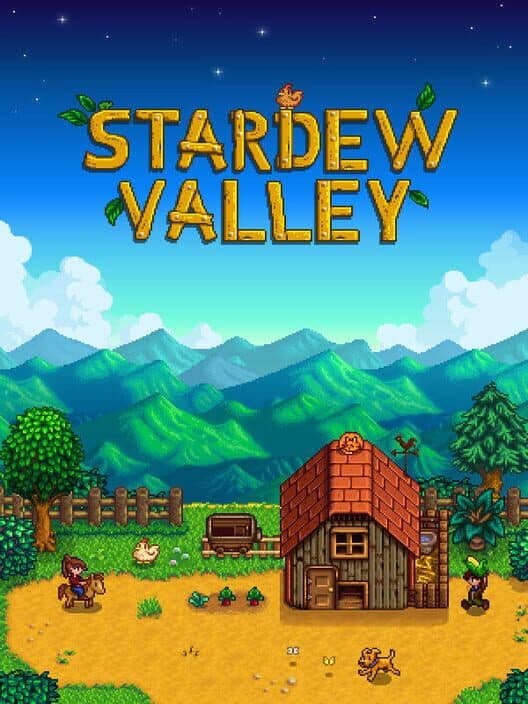
Stardew Valley is absolutely worth it if you want a cozy, low-stress game that still gives a strong sense of progress and purpose. It shines for adults who like gentle planning, slow-building projects, and the feeling of creating a home rather than chasing constant adrenaline. The game asks for time more than skill: you’ll get the most out of it if you can chip away in many short sessions over weeks, watching your farm and relationships slowly blossom. In return, it delivers a deeply satisfying loop of growth, from clearing weeds to building barns, hosting animals, and decorating your dream layout. If you crave tough combat, cinematic storytelling, or fast-paced multiplayer, this will likely feel too soft and repetitive, so consider a sale or skip. But if you’ve ever wished for a peaceful digital “cottage life” to retreat to after work, Stardew Valley is one of the best full-price purchases you can make.

ConcernedApe • 2016 • PlayStation 4, Linux, Nintendo Switch 2, Android, PC (Microsoft Windows), iOS, Mac, Wii U, PlayStation Vita, Xbox One, Nintendo Switch
Cozy farming and small-town life
Open-ended seasons with gentle goals
Short, self-contained daily sessions
Stardew Valley is absolutely worth it if you want a cozy, low-stress game that still gives a strong sense of progress and purpose. It shines for adults who like gentle planning, slow-building projects, and the feeling of creating a home rather than chasing constant adrenaline. The game asks for time more than skill: you’ll get the most out of it if you can chip away in many short sessions over weeks, watching your farm and relationships slowly blossom. In return, it delivers a deeply satisfying loop of growth, from clearing weeds to building barns, hosting animals, and decorating your dream layout. If you crave tough combat, cinematic storytelling, or fast-paced multiplayer, this will likely feel too soft and repetitive, so consider a sale or skip. But if you’ve ever wished for a peaceful digital “cottage life” to retreat to after work, Stardew Valley is one of the best full-price purchases you can make.
When you want to unwind after work with 45–90 minutes, doing relaxing chores and light planning that still leave you feeling productive and calmer than when you started.
On a low-energy weekend afternoon when you’d rather sink into a cozy routine than tackle something intense or story-heavy, slowly nudging your farm and relationships forward.
When you’re juggling real-life responsibilities and need a game that tolerates interruptions, lets you pause often, and still rewards short, irregular sessions over weeks or months.
A long, cozy journey best enjoyed in many short sessions, with high flexibility for pauses and life interruptions.
Stardew Valley is built for slow-burn enjoyment. To see the full arc—multiple seasons, Community Center completion or Joja route, a thriving farm, and key character stories—you’re looking at dozens of hours, often spread over weeks or months. The good news is that the game slices this into small, digestible pieces. Each in-game day takes roughly 10–20 real minutes, ending with an autosave when you go to bed, which creates natural stopping points. You can pause at any time and safely walk away, though quitting mid-day means you’ll redo that day’s actions next time. Returning after a break is easy: glance at your fields, open the Community Center screen, and you’ll quickly remember your projects. Social obligations are minimal; co-op is fully optional and low-pressure. For a busy adult, this means you can treat Stardew as a comforting background project—dip in for a couple of days before bed, or sink a longer chunk into spring cleaning your farm on a free weekend.
Light planning layered over soothing routines; great when you have some attention to spare but don’t want demanding concentration or fast reactions.
Moment to moment, Stardew Valley doesn’t demand intense focus. Most of your time is spent on familiar loops—watering crops, handling animals, sorting inventory—that can feel almost meditative once you’ve learned them. The main thinking load comes from choosing how to spend each in-game day: which crops to plant, when to upgrade tools, whether to push deeper into the mines, or who to prioritize socially. These decisions are meaningful but rarely overwhelming. Combat is simple, with forgiving hitboxes and slow enemies, so you don’t need quick reactions. Outside the mines, you can safely glance away from the screen without disaster, especially thanks to a full pause option. For a tired adult, this means you can play while a show runs in the background or during light conversation, as long as you give the game most of your attention when planning a day or navigating the mines. It asks for gentle awareness, not full-on mental immersion.
Easy to pick up, with satisfying depth if you enjoy optimizing crops, layouts, and daily routines over time.
Learning Stardew Valley is approachable. Within a couple of hours, you’ll understand the basics: plant seeds, water daily, watch stamina, go to bed before 2:00 AM. From there, the game gradually reveals layers—seasons and crop profitability, refining ore, artisan goods, animal care, villager gifts, and bundles. Reaching a comfortable level of competence usually takes a few relaxed evenings. True optimization, like min-maxed farm layouts and perfectly timed upgrades, exists but is never required. Improving your knowledge does pay off: you earn more money, free up time in your day, and unlock better tools and buildings sooner. Still, the game remains forgiving even if you ignore guides and just play by feel. For a busy adult, that means you can enjoy a gentle sense of growth in skill without committing to the kind of intense practice curve you’d see in competitive or action-heavy titles.
A mostly tranquil, low-stress escape with only occasional, mild spikes of tension in mines or against the in-game clock.
Emotionally, Stardew Valley is one of the calmer experiences you can pick up. The music is gentle, the visuals are soft, and most choices carry low stakes. Losing a crop, missing a birthday, or passing out in the mines can be a little frustrating, but the consequences are light and easily recovered from over future days. There are no jump scares, no harsh fail states, and no heavy pressure to perform. Even combat is simple and slow-paced. This makes it excellent as an evening wind-down game, especially if your day job is already stressful. The main “pressure” you’ll feel is the soft time limit within each in-game day and the occasional desire to optimize every minute, which you can simply choose to ignore. Overall, it’s more likely to lower your heart rate than raise it, as long as you don’t turn it into a personal efficiency contest.
Games with a similar rhythm and feel, even if they look different