Humble Games • 2021 • Xbox Series X|S, PlayStation 4, Linux, Android, PC (Microsoft Windows), iOS, PlayStation 5, Mac, Xbox One, Nintendo Switch
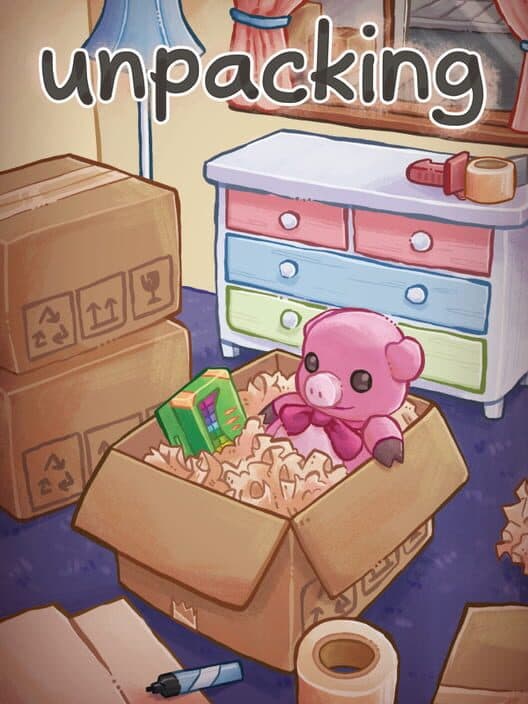
Unpacking
Humble Games • 2021 • Xbox Series X|S, PlayStation 4, Linux, Android, PC (Microsoft Windows), iOS, PlayStation 5, Mac, Xbox One, Nintendo Switch
Is Unpacking Worth It?
Yes, Unpacking is worth it if you want a short, polished game that helps you unwind. Its special trick is turning ordinary objects into both a gentle puzzle and a quiet life story. Every book, mug, diploma, and plush toy gives you a small placement problem while also telling you who this unseen person is becoming. What it asks from you is light but steady attention: you need to notice shapes, read rooms, and accept the occasional moment where the game's placement rules are pickier than real life. What it gives back is strong. The act of making each space feel lived in is deeply satisfying, and the wordless storytelling lands harder than you may expect. Buy at full price if a cozy, compact experience sounds ideal and you value polish over length. Wait for a sale if you need lots of replay value or freer decorating. Skip it if you want challenge, excitement, or open-ended creativity.
What is Unpacking like?
Opinions of Unpacking
What Players Love
- Players Love
Placing every item feels calm and deeply satisfying
Players keep praising the tiny sound effects and steady room-by-room cleanup. Turning cluttered boxes into tidy spaces creates a relaxing, hard-to-put-down rhythm.
- Players Love
The wordless life story becomes more emotional than expected
Many players say recurring objects and changing homes made them surprisingly attached to the unseen lead. The story lands through observation instead of dialogue.
- Players Love
Low-pressure design makes it great for tired evenings
No timers, combat, or harsh penalties means it works well when your energy is low. Players often describe it as comfort play that respects short sessions.
Common Concerns
- Common Concern
Some objects only count in oddly specific spots
A regular complaint is that a few items have narrower valid locations than common sense suggests. Those moments can briefly turn a cozy flow into trial and error.
Divisive Aspects
- Divisive
Short length feels perfect to some and slight to others
Some players love the clean 3 to 5 hour arc and tidy ending. Others finish wanting more homes, more systems, or stronger reasons to replay soon after.
What does Unpacking demand from you?
Time
VERY LOWTime
A full playthrough fits comfortably into a weekend, and the room-based structure makes it easy to stop after ten minutes or a whole house.
Focus
VERY LOWFocus
You stay pleasantly engaged sorting, rotating, and reading small story clues, but nothing here punishes a wandering mind or asks for fast hands.
Challenge
VERY LOWChallenge
You'll understand the basics in minutes, then spend the rest getting better at reading rooms, spotting item types, and guessing the game's quirks.
Intensity
VERY LOWIntensity
This stays soothing almost the whole way, with only tiny flashes of annoyance when a stubborn object rejects the place that seems perfectly reasonable.
Frequently Asked Questions
You Might Also Like
Games with a similar rhythm and feel, even if they look different