Mojang Studios • 2016 • Amazon Fire TV, Xbox Series X|S, PlayStation 4, Linux, Gear VR, Windows Phone, Android, PC (Microsoft Windows), iOS, PlayStation 5, Mac, Xbox One, Nintendo Switch
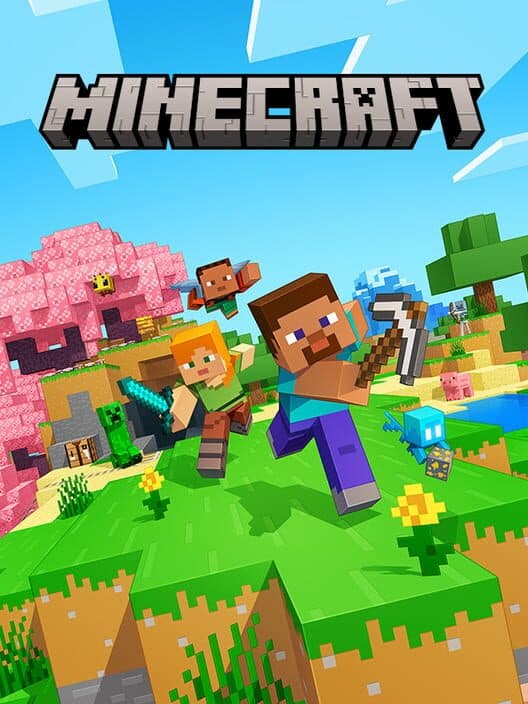
Open-ended survival and building sandbox world
Endless procedurally generated biomes, caves, and secrets
Relaxing solo play, amazing long-term family projects
Minecraft is absolutely worth it for most busy adults who enjoy building, light survival, or open-ended projects. For a modest one-time price, you get a virtually endless sandbox that runs on almost anything and fits around real life. The game asks you to bring your own goals, tolerate some repetition when gathering resources, and accept that there’s no guided story to pull you along. In return, it offers a uniquely cozy mix of creativity, exploration, and gentle challenge that can last for years. Buy at full price if you like the idea of slowly improving a base, relaxing while you mine or farm, or sharing a long-term world with friends or family. It’s also a strong pick if you want a safe, flexible game to enjoy with kids. If you mainly crave cinematic stories, tight linear campaigns, or intense competitive play, you may bounce off the aimless feeling. In that case, it’s better as an occasional sale purchase or a shared family tool rather than your main game.

Mojang Studios • 2016 • Amazon Fire TV, Xbox Series X|S, PlayStation 4, Linux, Gear VR, Windows Phone, Android, PC (Microsoft Windows), iOS, PlayStation 5, Mac, Xbox One, Nintendo Switch
Open-ended survival and building sandbox world
Endless procedurally generated biomes, caves, and secrets
Relaxing solo play, amazing long-term family projects
Minecraft is absolutely worth it for most busy adults who enjoy building, light survival, or open-ended projects. For a modest one-time price, you get a virtually endless sandbox that runs on almost anything and fits around real life. The game asks you to bring your own goals, tolerate some repetition when gathering resources, and accept that there’s no guided story to pull you along. In return, it offers a uniquely cozy mix of creativity, exploration, and gentle challenge that can last for years. Buy at full price if you like the idea of slowly improving a base, relaxing while you mine or farm, or sharing a long-term world with friends or family. It’s also a strong pick if you want a safe, flexible game to enjoy with kids. If you mainly crave cinematic stories, tight linear campaigns, or intense competitive play, you may bounce off the aimless feeling. In that case, it’s better as an occasional sale purchase or a shared family tool rather than your main game.
When you want to unwind after work with something creative and low-pressure, spending an hour extending your base, organizing storage, or gently exploring nearby biomes.
When you have a free weekend evening and can spare 90 minutes for a focused adventure into caves or the Nether in search of rare resources and a sense of discovery.
When you’re looking for a relaxed, shared activity with kids or friends, working together on a town, farm, or mega-build while chatting without needing everyone’s full attention all the time.
Endlessly expandable long-term world, yet flexible enough for 30–90 minute sessions where you can always make visible progress and stop anytime.
Minecraft can fill months if you let it, but it doesn’t demand that kind of commitment. A typical busy adult will feel they’ve truly “done” a world after going from shaky first nights to a solid base, Nether access, and maybe an Ender Dragon kill. That’s often 40–70 hours, but you’ll start feeling satisfied progress much earlier. Sessions are extremely flexible. Thanks to save-anytime design, it’s easy to hop in for 30–45 minutes to farm, tidy your base, or finish a small section of a build. Longer 90-minute sessions work well for deeper mining trips or exploration. There are no raid schedules, daily quests, or seasons trying to pull you back every night. Picking the game back up after a break is also manageable. You might need a few minutes to remember chest layouts and current projects, but there’s no storyline to re-learn, and you can always start fresh in a new world. Social play is optional icing: great if you have friends or kids who want to join, but never required.
You’ll think about planning and resources, but most sessions feel relaxed enough to chat or half-watch TV while you mine and build.
Minecraft sits comfortably between a pure chill-out game and something that really taxes your brain. You’ll be planning small projects, organizing storage, and deciding how to spend each session, so it’s not mindless. At the same time, a lot of the work—mining tunnels, farming, decorating—is pleasantly repetitive, which makes it great when you’re a bit tired from the day. Attention demands swing depending on activity. Quiet base work in a well-lit area is low-demand and pairs well with music or a podcast. Exploring caves, the Nether, or wandering at night demands more focus, since falling into lava or getting ambushed can cost you your gear. Most adults find a natural rhythm in alternating between these modes. If you like gently planning and organizing but don’t want every second to feel critical, Minecraft hits a sweet spot. It asks for steady, moderate attention and delivers a satisfying feeling of slowly bringing order to chaos.
Quick to grasp basics in an evening, with optional deep systems that hugely expand what’s possible if you enjoy learning over time.
Minecraft is easy to get into. In your first few hours you’ll learn to punch trees, craft tools, build a shelter, and manage hunger. From there, it’s more about layering knowledge than wrestling with complex controls. If you’ve played games before, you’ll likely feel functional within a single evening. Under the surface, though, is a huge amount to discover: efficient mining methods, mob farms, enchanting strategies, potion brewing, redstone logic, villager trading, and more. None of this is required to enjoy the game, but each new trick drastically increases what you can accomplish per hour. The gap between a beginner and a player who understands basic automation is enormous in terms of what they can build. For a busy adult, this is a strength. You can coast on simple skills when you’re low on energy, then slowly pick up deeper techniques through videos, wikis, or experimentation when curiosity strikes. The game rewards that learning with real power and ambitious projects, not just bigger numbers.
Mostly cozy and low-stress, with brief spikes of tension when you push into dark caves, the Nether, or night-time exploration.
Emotionally, Minecraft tends to be calm, even meditative. The music is gentle, the pace is self-directed, and many tasks feel like digital gardening or LEGO building. You’re rarely under a strict timer, and most of the time you can stop, think, and act at your own pace. There are moments of real tension, especially early on or when you roam in dangerous areas carrying valuable gear. Hearing a creeper hiss behind you, realizing you’re lost underground, or slipping into lava can produce a sharp jolt of adrenaline. Importantly, those spikes are short and largely under your control: you decide when to take those risks. Overall difficulty on default settings is moderate. Death is annoying rather than devastating, especially once your base is established. For a busy adult, this means you get enough challenge to keep things interesting without the constant pressure of a hardcore roguelike or ranked competitive game. It’s usually better for unwinding than for chasing white-knuckle thrills.
Games with a similar rhythm and feel, even if they look different