Electronic Arts • 2018 • PlayStation 4, PC (Microsoft Windows), Xbox One
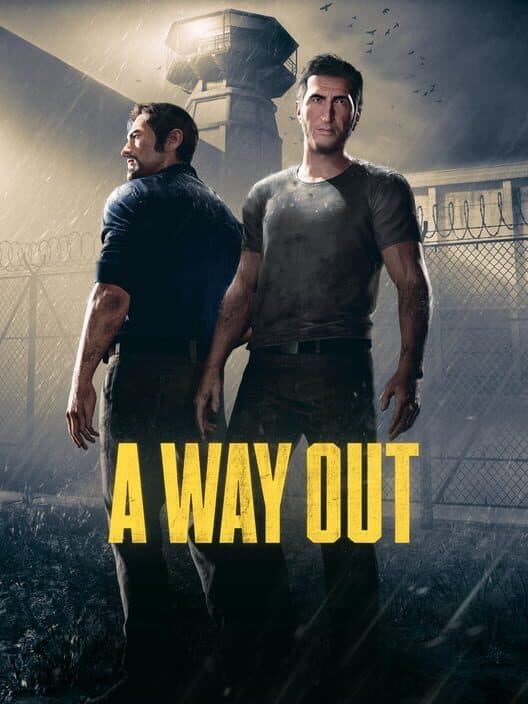
A Way Out is worth it if you have one reliable person to play with and want a short, memorable shared story. Its best trick is simple: it makes both players feel equally involved. One of you is talking to an NPC while the other is sneaking, driving, or setting something up, so even quiet scenes feel collaborative. That makes it great for couples, close friends, or siblings who want something between movie night and a traditional action game. The trade-off is that the mechanics are only solid, not amazing. Shooting, stealth, and quick-time scenes work well enough to keep the story moving, but they are not the main reason to show up. Buy at full price if you know you want a one-weekend co-op highlight and have the partner ready. Wait for a sale if you are unsure about one-and-done value or want deeper action systems. Skip it if you need solo play, lots of replay value, or a game you can pause and resume entirely on your own terms.

Electronic Arts • 2018 • PlayStation 4, PC (Microsoft Windows), Xbox One
A Way Out is worth it if you have one reliable person to play with and want a short, memorable shared story. Its best trick is simple: it makes both players feel equally involved. One of you is talking to an NPC while the other is sneaking, driving, or setting something up, so even quiet scenes feel collaborative. That makes it great for couples, close friends, or siblings who want something between movie night and a traditional action game. The trade-off is that the mechanics are only solid, not amazing. Shooting, stealth, and quick-time scenes work well enough to keep the story moving, but they are not the main reason to show up. Buy at full price if you know you want a one-weekend co-op highlight and have the partner ready. Wait for a sale if you are unsure about one-and-done value or want deeper action systems. Skip it if you need solo play, lots of replay value, or a game you can pause and resume entirely on your own terms.
Players love that both people stay busy. One distracts a guard, the other sneaks, and many scenes give each partner a different job instead of tagging one along.
Shootouts, sneaking, and quick-time scenes usually do the job, but many players say they feel stiff or shallow beside the stronger shared story setup.
Some players connect with Leo and Vincent's earnest drama and banter, while others find parts of the script predictable or uneven in a knowingly pulpy way.
The split screen is more than a gimmick. Different viewpoints, simultaneous action, and a much-discussed ending help the journey stick in players' minds.
A second run as the other lead adds context, and chapter select helps, but most players feel the biggest surprises and payoffs are strongest the first time through.
Players love that both people stay busy. One distracts a guard, the other sneaks, and many scenes give each partner a different job instead of tagging one along.
The split screen is more than a gimmick. Different viewpoints, simultaneous action, and a much-discussed ending help the journey stick in players' minds.
Shootouts, sneaking, and quick-time scenes usually do the job, but many players say they feel stiff or shallow beside the stronger shared story setup.
A second run as the other lead adds context, and chapter select helps, but most players feel the biggest surprises and payoffs are strongest the first time through.
Some players connect with Leo and Vincent's earnest drama and banter, while others find parts of the script predictable or uneven in a knowingly pulpy way.
The campaign is short and easy to schedule, but it only works if two people can show up together and stop near chapter breaks.
A Way Out is short by design. Most pairs finish in about 6 to 10 hours, and the game is easy to break into 60 to 90 minute sessions because chapters and checkpoints create clear places to stop. That makes the campaign friendly to a busy week, but there is one huge catch: none of that flexibility matters unless you have the same second person available. This is not a game you chip away at alone. Quitting mid-scene is usually fine, but the safest stopping points are chapter beats or fresh checkpoints so you do not replay a chunk next time. Coming back after a week is not too painful because the controls are simple and the next objective is usually obvious, though both players may need a quick story recap before jumping back in. The game asks for a reliable partner more than a giant calendar block. In return, it gives you a complete, memorable shared arc without grind, side busywork, or a long postgame tail.
You spend most of this game watching split screens, reading the scene, and talking constantly. It wants steady shared attention, not elite reflexes.
A Way Out asks for the kind of attention that comes from sharing a task, not studying complicated systems. Most of the time, you are listening to dialogue, watching both halves of the screen, and talking through simple plans like who distracts a guard, who grabs an item, or when to move together. That makes it harder to play half-distracted than a solo story game, especially online, because your partner is counting on you to notice prompts and call out timing. The good news is that the actual controls and decisions stay readable. You are not juggling menus, builds, or layered combat rules. The game asks for steady presence and clean communication, then pays that back with a rare feeling of true cooperation. Even quiet scenes work because both players usually have something to do or notice. If you can give it an hour of undivided attention, it feels smooth. If you want something to play while multitasking, it will feel more demanding than its simple mechanics suggest.
Most players learn the basics fast. The real hurdle is syncing with another person during stealth, prompts, and short action scenes.
This is one of the easier big-screen co-op campaigns to get into. Movement, interaction prompts, cover shooting, and stealth basics are all simple, and most pairs will understand the full toolset within the first hour or two. The trick is not mastering complex systems. It is getting comfortable with each other. Many failures come from mistimed actions, missed callouts, or one player hesitating while the other commits. That makes the learning process social more than technical. If one player is new to camera control or action games, a few chase scenes and quick-time moments may cause brief friction, but the game is usually generous about restarts and quick to explain what it wants. It asks for basic coordination and a little patience, then gives you a smooth ride without much homework. There is no build planning, loot management, or deep combat study waiting underneath. Compared with something like Uncharted, it is generally easier to learn and a little less mechanically demanding. Compared with a party game, it expects more communication and slightly better comfort in 3D spaces.
Pressure comes in short bursts like chases, stealth, and shootouts, while quick retries keep the night moving. It feels tense enough to stay exciting.
The mood sits in a comfortable middle zone. There are prison escapes, police chases, gunfights, and a mature crime-story tone, so the game is rarely cozy. Still, it is not built to grind you down. Most stressful moments are short, clearly staged, and backed by forgiving checkpoints, so failure usually means a quick retry instead of a big setback. That creates the good kind of pressure: you lean forward, count down with your partner, and laugh when things go wrong, rather than dreading a long replay. The story also carries some emotional weight, especially later on, but moment to moment it is more tense than overwhelming. The game asks you to stay engaged during bursts of danger, then gives you breathing room through walking scenes, banter, and small side activities. It works best when you want a lively shared night with a little suspense. It is much less suited to nights when you want something sleepy, soothing, or easy to play with half your mind elsewhere.
Games with a similar rhythm and feel, even if they look different