Powered by IGDB•Privacy•Terms

© 2026 Slated.gg

Slated.gg
Popular GamesAbout

Uncharted 4: A Thief's End

Sony Interactive Entertainment • 2016 • PlayStation 4
Quick sessionsEasy to jump intoStory-driven

Is Uncharted 4: A Thief's End Worth It?

Uncharted 4 is absolutely worth it if you enjoy cinematic, story-focused games and don’t want a massive time sink. The campaign runs about 15–20 hours and is packed with gorgeous environments, big set pieces, and strong character moments. It asks for moderate attention during firefights but doesn’t overwhelm you with systems, making it ideal if you’re tired of crafting menus and skill trees. Buy at full price or in the Legacy of Thieves Collection if you love narrative adventures, already liked earlier Uncharted games, or want something your partner might enjoy watching. You’ll get a polished, self-contained experience that feels like playing through a high-end adventure film. If you mainly crave deep mechanics, open worlds, or long-term progression, this will feel more like a one-and-done interactive movie. In that case, it’s still a great pick on sale or via a subscription. People sensitive to gun violence or long cutscenes may also want to skip, but for most adults it’s a very easy recommendation.

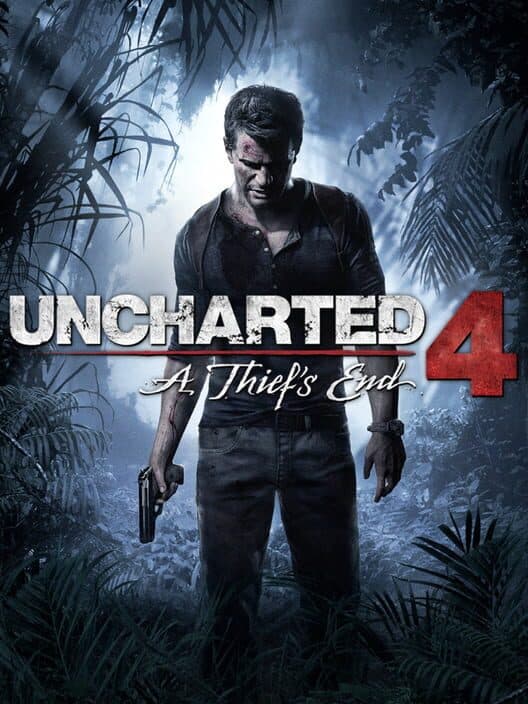
Uncharted 4: A Thief's End cover art

Uncharted 4: A Thief's End

Sony Interactive Entertainment • 2016 • PlayStation 4

Quick sessionsEasy to jump intoStory-driven

Is Uncharted 4: A Thief's End Worth It?

Uncharted 4 is absolutely worth it if you enjoy cinematic, story-focused games and don’t want a massive time sink. The campaign runs about 15–20 hours and is packed with gorgeous environments, big set pieces, and strong character moments. It asks for moderate attention during firefights but doesn’t overwhelm you with systems, making it ideal if you’re tired of crafting menus and skill trees. Buy at full price or in the Legacy of Thieves Collection if you love narrative adventures, already liked earlier Uncharted games, or want something your partner might enjoy watching. You’ll get a polished, self-contained experience that feels like playing through a high-end adventure film. If you mainly crave deep mechanics, open worlds, or long-term progression, this will feel more like a one-and-done interactive movie. In that case, it’s still a great pick on sale or via a subscription. People sensitive to gun violence or long cutscenes may also want to skip, but for most adults it’s a very easy recommendation.

What is Uncharted 4: A Thief's End like?

What does Uncharted 4: A Thief's End demand from you?

Commitment

LOW

Commitment

A concise 15–20 hour story built for 60–90 minute solo sessions with easy pausing and simple ‘pick up where you left off’ feel.

LOW

In terms of time, Uncharted 4 is very friendly to a busy schedule. The main story typically takes 15–20 hours, which comfortably fits into a few weeks of 60–90 minute evenings. Chapters and big story milestones act like episodes, giving you natural points to pause without feeling like you’re bailing mid-mission. The game saves often, and you can pause instantly, so interruptions from kids, work messages, or real life are rarely a disaster. When you come back days later, a clear objective marker and companion dialogue quickly remind you what’s happening. There’s no pressure to maintain a build, remember elaborate systems, or coordinate with friends. Multiplayer and higher-difficulty replays exist but are entirely optional. For most adults, the commitment is “finish the campaign once, maybe clean up a few treasures or photo opportunities,” then move on. You get a full, satisfying arc without needing to sign up for months of play or long, inflexible sessions.

Tips

  • Plan 60–90 minute sessions to finish roughly a chapter at a time, giving each night a beginning, middle, and end.
  • Use chapter titles and the chapter select screen to estimate how many evenings you’ll need to comfortably finish the campaign.
  • Don’t feel obligated to chase every collectible; focus on the main story first, then return via chapter select if you still want more.

Focus

MODERATE

Focus

Mixes relaxed exploration and cutscenes with moderate-focus firefights that need your attention but rarely feel mentally exhausting.

MODERATE

Moment to moment, Uncharted 4 asks for a comfortable, medium level of attention. During gunfights you’ll watch enemy positions, grenades, and flanking routes while managing cover and aiming; looking away for long can get you killed. In between, the game downshifts into guided climbing, driving, and story scenes where you mainly follow companion chatter and look for clearly marked ledges or ropes. Puzzles are simple spatial or symbol-matching tasks that take a bit of thought but rarely stall you out. For a busy adult, that means you can play after work without feeling mentally drained, as long as you’re reasonably awake for combat sections. It’s not something to play while half-watching a show, but it also doesn’t demand the sustained calculation of deep strategy or management games. The mix of active and passive segments lets your brain breathe between fights while still keeping you involved in what’s happening on screen.

Tips

  • Try to start sessions at the beginning of a chapter so combat, climbing, and story beats align with your available time.
  • Save during calmer traversal sections if you expect interruptions, so you aren’t dropped back into a hectic firefight unexpectedly.
  • If you feel overwhelmed in combat, lower the difficulty so you can stay engaged with the story without needing constant sharp focus.

Mastery

LOW

Mastery

Easy to pick up, modest benefit from getting better, and no pressure to master advanced techniques.

LOW

Uncharted 4 is deliberately welcoming. Within the first hour or two, you’ll learn nearly everything you’ll use for the rest of the game: basic shooting, climbing, rope swings, and simple stealth. There are no complex combos, intricate upgrade systems, or deep builds to plan around. For most adults, that means you can jump in after a long day and feel competent quickly, without reading guides or practicing. Improving does help. Learning how enemies flank, when to use stealth, and how to move between cover makes encounters smoother and lets you experiment with higher difficulties if you want a second playthrough. But the game doesn’t hinge on mastery. The main payoff for playing well is fewer deaths and a nicer flow, not unlocking radically new options. If you enjoy honing skills, you can chase trophies, speedruns, or tougher difficulties, yet the core story run treats mastery as optional seasoning rather than the main course.

Tips

  • Use the shooting range-style encounters early on to adjust aim sensitivity until hitting targets feels natural and comfortable.
  • Practice mixing stealth and gunplay in smaller arenas so later, larger firefights feel manageable rather than chaotic.
  • If you’re not interested in mastering combat, stay on a comfortable difficulty and let the story, visuals, and characters carry the experience.

Intensity

MODERATE

Intensity

Delivers blockbuster-style tension in bursts, wrapped in an overall lighthearted, low-frustration adventure tone.

MODERATE

Emotionally, Uncharted 4 sits in the middle of the spectrum. Big chases, collapsing ruins, and chaotic shootouts can get your heart rate up, but they’re sandwiched between calmer stretches of banter, sightseeing, and quiet character moments. On normal difficulty, deaths are frequent enough to keep you honest yet soft enough that they rarely feel crushing—you’re back in the action within seconds. The tone skews adventurous and playful rather than grim. There are arguments, moral doubts, and a few heavy scenes, but nothing like the relentless dread of horror games or the intensity of darker dramas. This makes it a good fit when you want excitement without emotional exhaustion. For a time-constrained player, the main demand is tolerating short spikes of pressure during set pieces. If you’re having a rough day and don’t want any stress, you can always drop the difficulty or stick to exploration-heavy segments until you feel up for more action.

Tips

  • If you’re mainly here for the story, choose Explorer or Light difficulty to keep tension low and focus on characters and scenery.
  • On more tiring days, aim to play chapters heavy on exploration or dialogue rather than big firefights or chase sequences.
  • If repeated deaths start to feel stressful instead of fun, take a short break or step away at the next checkpoint.

Frequently Asked Questions

You Might Also Like

Games with a similar rhythm and feel, even if they look different

Undertale game cover art
Easy to jump intoStory-driven

Undertale

Commitment
LOW
Focus
MODERATE
Mastery
LOW
Intensity
MODERATE
Soma game cover art
Easy to jump intoStory-driven

Soma

Commitment
LOW
Focus
MODERATE
Mastery
LOW
Intensity
MODERATE
Neva game cover art
Easy to jump intoStory-driven

Neva

Commitment
VERY LOW
Focus
MODERATE
Mastery
LOW
Intensity
HIGH
BioShock: The Collection game cover art
Quick sessionsEasy to jump into

BioShock: The Collection

Commitment
MODERATE
Focus
MODERATE
Mastery
LOW
Intensity
MODERATE
Stray game cover art
Easy to jump intoStory-driven

Stray

Commitment
VERY LOW
Focus
LOW
Mastery
LOW
Intensity
LOW
Amnesia: Rebirth game cover art
Easy to jump intoStory-driven

Amnesia: Rebirth

Commitment
LOW
Focus
MODERATE
Mastery
LOW
Intensity
MODERATE
← Back to Home