Nintendo • 2023 • Nintendo Switch
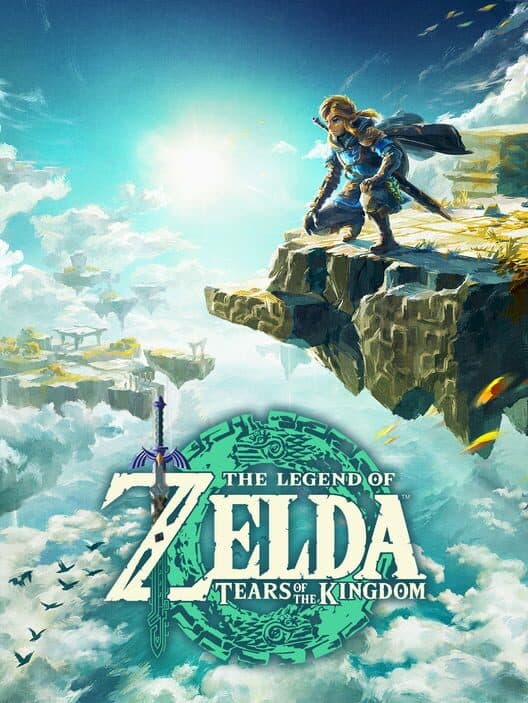
Vast open-world adventure across sky and depths
Physics-driven puzzles and creative vehicle building
Long campaign; sessions still feel complete
Tears of the Kingdom is absolutely worth it if you enjoy open-world adventures, creative problem-solving, and having the freedom to tackle goals your own way. It’s a big commitment in hours, but it pays you back with constant discovery, satisfying upgrades, and the joy of pulling off contraptions that feel uniquely “yours.” Sessions feel productive even when short: a shrine here, a new fast-travel point there, maybe an extra heart or stamina upgrade. You should consider paying full price if you loved Breath of the Wild, like exploring at your own pace, or enjoy tinkering with systems and builds. Wait for a sale if you mainly want a tightly scripted story, dislike sandbox-style wandering, or know you won’t have more than a handful of hours to spare. If you strongly prefer linear, short games, or you find open worlds overwhelming, this might not click. For most players with some time and curiosity, though, it’s an exceptional, memorable adventure.

Nintendo • 2023 • Nintendo Switch
Vast open-world adventure across sky and depths
Physics-driven puzzles and creative vehicle building
Long campaign; sessions still feel complete
Tears of the Kingdom is absolutely worth it if you enjoy open-world adventures, creative problem-solving, and having the freedom to tackle goals your own way. It’s a big commitment in hours, but it pays you back with constant discovery, satisfying upgrades, and the joy of pulling off contraptions that feel uniquely “yours.” Sessions feel productive even when short: a shrine here, a new fast-travel point there, maybe an extra heart or stamina upgrade. You should consider paying full price if you loved Breath of the Wild, like exploring at your own pace, or enjoy tinkering with systems and builds. Wait for a sale if you mainly want a tightly scripted story, dislike sandbox-style wandering, or know you won’t have more than a handful of hours to spare. If you strongly prefer linear, short games, or you find open worlds overwhelming, this might not click. For most players with some time and curiosity, though, it’s an exceptional, memorable adventure.
You’ve got about an hour on a weeknight and enough energy to think a little, so you clear a shrine, poke into a cave, and upgrade hearts or stamina before bed.
You finally have a longer weekend block and want to sink into a big adventure, exploring a new region, tackling a temple, and spending extra time experimenting with Zonai vehicles and gadgets.
You’re looking for a relaxed solo game to chip away at over several months, something you can pause instantly when family needs you but that still feels magical and memorable.
A big adventure spread over many weeks, but flexible saves and bite-sized objectives make it easy to fit around real-life schedules.
Commitment-wise, this is a long journey, but a forgiving one. Seeing the main story through—plus a comfortable amount of shrines and exploration—often takes 50–80 hours, which for many adults means several weeks or months of play. However, the game is built to let you take it at your own pace. There’s no multiplayer schedule to coordinate and no time-limited events pressing you to log in. Each shrine, lightroot, or short side quest works as a neat little unit of progress, perfect for a 30–90 minute session. The ability to save almost anywhere, combined with Switch sleep mode, means you can pause instantly if kids wake up or life calls. The tradeoff is that coming back after a long break involves reorienting to your open-ended goals and unfinished experiments. If you’re okay with a big, cozy project that you nibble at over time, the game respects your schedule more than its hour count might suggest.
You’ll need steady attention for puzzles, combat, and building, but exploration and travel offer relaxed stretches where you can breathe and take in the scenery.
For focus, Tears of the Kingdom sits in the “engaged but not exhausting” zone. Shrines, contraption-building, and trickier combat encounters definitely ask you to pay attention and think a few steps ahead. You’re often planning routes, rotating objects in 3D space, and considering how different materials or devices might interact. That said, much of the time you’re simply exploring, gliding, riding a horse, or poking into caves at your own pace, which gives your brain plenty of softer moments. Because you can pause instantly and there’s no timer on most activities, the game rarely forces white-knuckle concentration. Fights and tricky platforming sections demand eyes-on-screen, but they’re broken up by calmer intervals. If you’re coming in after a workday, you’ll want enough mental energy to tinker with puzzles and builds, yet you don’t need the laser focus of a competitive shooter. The game rewards curiosity and experimentation more than perfect execution.
There’s a moderate learning curve, and getting better at building and combat feels great, even though the game rarely demands expert-level precision.
In terms of skill growth, Tears of the Kingdom asks for some investment but not a huge one. The basics of movement, combat, and shrine interaction come quickly, especially if you’ve played its predecessor. The real adjustment is learning to think with the toolkit: how Ultrahand pieces fit together, what Fuse combinations are useful, and how Recall or Ascend can shortcut obstacles. Expect a few evenings before these ideas feel natural. Once you’re over that hump, improvement feels very rewarding. Better timing in fights, smarter resource use, and more reliable builds can make you feel almost overpowered in situations that used to be scary. However, the game doesn’t gate most progress behind high skill; you’re free to brute force some things, over-prepare, or simply go somewhere easier. That makes it friendly for busy adults: you can enjoy a real sense of growth without needing to grind mechanical mastery or memorize complex combos.
Action can get tense, but generous tools and soft penalties keep the overall mood adventurous, curious, and rarely overwhelming or draining.
On the intensity side, this is a relatively gentle game for its size. Combat can feel sharp—strong enemies and bosses hit hard, and the depths carry a spooky, oppressive vibe—but the stakes are usually low. If something goes wrong, you reload nearby and try a different tactic, without losing hours of progress. That keeps adrenaline spikes short and prevents frustration from building. Most of your time is spent in a relaxed, exploratory headspace. You’re climbing cliffs at sunrise, gliding between sky islands, or experimenting with a weird vehicle idea just to see if it works. Even darker story beats and eerie underground areas don’t lean into horror; they’re more about atmosphere than jump scares. Players sensitive to stress should still be comfortable here, especially if they don’t chase the hardest fights early. Overall it’s engaging and occasionally thrilling, but you’re unlikely to finish a session feeling wrung out.
Games with a similar rhythm and feel, even if they look different