ConstructVOD • 2022 • PC (Microsoft Windows)
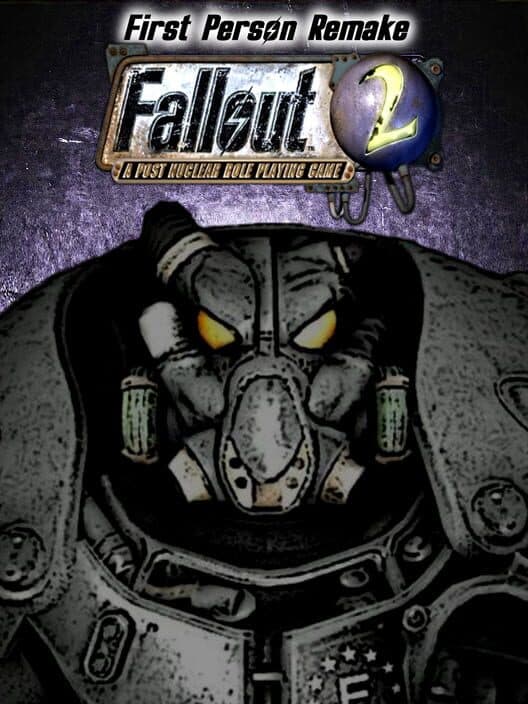
Fallout 2 Remake is very much worth trying if you like deep, choice-driven RPGs and don’t mind some rough edges. It’s free, single-player, and built around meaningful decisions in quests and character building, so a single playthrough can feel rich and personal. The catch is that it absolutely feels like a classic PC RPG: lots of reading, systems that take time to understand, and some old-fashioned frustrations like opaque quest directions and the need to save often. Visually, it leans on Fallout’s distinctive retro-futurist style rather than modern spectacle, and as a fan project it may have uneven polish or incomplete areas. If you enjoy planning builds, solving problems with words or tactics, and seeing the world react to your choices, it gives you a lot for the price of your time. If you hate reading, prefer straightforward modern action, or only want hyper-polished experiences, you’re better off skipping it or waiting until you’re in the mood for something more old-school.

ConstructVOD • 2022 • PC (Microsoft Windows)
Fallout 2 Remake is very much worth trying if you like deep, choice-driven RPGs and don’t mind some rough edges. It’s free, single-player, and built around meaningful decisions in quests and character building, so a single playthrough can feel rich and personal. The catch is that it absolutely feels like a classic PC RPG: lots of reading, systems that take time to understand, and some old-fashioned frustrations like opaque quest directions and the need to save often. Visually, it leans on Fallout’s distinctive retro-futurist style rather than modern spectacle, and as a fan project it may have uneven polish or incomplete areas. If you enjoy planning builds, solving problems with words or tactics, and seeing the world react to your choices, it gives you a lot for the price of your time. If you hate reading, prefer straightforward modern action, or only want hyper-polished experiences, you’re better off skipping it or waiting until you’re in the mood for something more old-school.
When you have a quiet 90-minute evening and want to sink into dialogue, decisions, and a full quest arc without worrying about online teammates or twitch reflexes.
On a weekend afternoon when you’re mentally fresh enough to tweak your build, manage gear, and push through a tougher area or story beat without constantly checking the clock.
When you’re in the mood for a single-player story that reacts to you and you’d rather read and think than mash buttons or grind endless loot.
A long solo campaign you can chip away at in 60–90 minute sessions, but taking long breaks makes it harder to return.
You’re signing up for a sizable journey: one full run with a single character is likely 40–60 hours if you touch a healthy amount of side content. For someone with 5–15 hours a week, that’s a multi-week project rather than a weekend fling. The good news is that the structure works well with adult schedules. Quests are often bite-sized enough to complete in an evening, and save-anywhere plus full pause make it easy to stop when life interrupts. You don’t have to coordinate with anyone; it’s entirely single-player, so you can play whenever you find a free block. The main catch is coming back after time away. With many towns, factions, and overlapping quests, returning after a two-week break can feel like opening a half-read novel and trying to remember who everyone is. A simple note to yourself at the end of each session goes a long way toward easing that friction.
You’ll be reading and planning far more than reacting, and you can safely pause or step away almost whenever you like.
Most of the effort here is mental rather than physical. A typical session has you re-reading quest notes, thinking through dialogue options, and planning out your next steps on the world map. Combat is turn-based, so you’ll count action points, weigh hit chances, and decide whether to push forward or retreat, all without time pressure. The game doesn’t demand constant staring at the screen; you can pause, think, or even glance away during quiet moments without being punished. That said, the amount of reading and the number of overlapping systems mean it’s still better played when you’re reasonably alert. If you’re exhausted after work, you may find yourself re-reading the same dialogue several times to absorb it. Overall, it asks for a steady, thoughtful kind of attention rather than intense, nonstop focus, and it gives you tools to manage that on your own pace.
It takes a few evenings to understand, but learning its systems pays off with a much smoother and more powerful journey.
This isn’t a pick-up-and-play game, but it’s also not an impenetrable simulator. The first hours are about learning what attributes actually do, how skills affect dialogue and combat, and how turn-based action points translate into movement and attacks. If you’re new to older PC-style RPGs, expect some trial and error, especially around character creation and early build choices. Once you grasp the basics, you’ll steadily refine how you play: choosing perks that synergize, managing positioning in fights, and recognizing which quests suit your strengths. The payoff is real. A well-understood build can talk past fights, trivialize once-brutal encounters, or unlock entirely new quest resolutions. If you enjoy tinkering, each bit of knowledge makes the wasteland feel more under your control. If you don’t care to dive deep, you can still get through on normal difficulty, but you’ll feel more friction than players who lean into learning.
Emotionally it’s more grim and weighty than heart-pounding, with moderate difficulty spikes and old-school punishment if you slip up.
The game’s tension comes less from frantic action and more from stakes and consequences. Fights can be lethal if you wander into the wrong area or neglect your build, and a forgotten save can mean replaying a sizable chunk of progress. That creates a background hum of pressure, especially early on, but the turn-based structure keeps individual moments calm. You’ll rarely feel your heart racing the way you might in a fast shooter. Instead, the emotional weight comes from the setting: ruined towns, desperate people, and moral choices that can leave you feeling uneasy or guilty. Dark humor helps defuse some of that heaviness, but the world is still harsh. For a busy adult, this means the game can be tiring on rough days, not because it demands reflexes, but because living in a bleak wasteland and occasionally losing progress can wear on you. Played in measured sessions, it’s challenging without being overwhelming.
Games with a similar rhythm and feel, even if they look different