Powered by IGDB•Privacy•Terms

© 2026 Slated.gg

Slated.gg
Popular GamesAbout

Fallout 2

Interplay Entertainment • 1998 • PC (Microsoft Windows), Mac
Story-drivenExploration-focused

Is Fallout 2 Worth It?

Fallout 2 is worth playing today if you enjoy reading-heavy, choice-driven RPGs and can live with retro graphics and clunky menus. The big draw is how much the world reacts to you: your stats, perks, and decisions genuinely change quests, town outcomes, and the ending slideshow. It asks for patience with older design—unclear directions, some backtracking, and the occasional unwinnable fight if you wander somewhere dangerous too early. In return, you get a rich, darkly funny setting full of odd factions, moral dilemmas, and creative solutions that feel earned rather than scripted. Buy at full price if you like isometric RPGs such as Baldur’s Gate, Disco Elysium, or classic CRPGs in general, and you’re excited to role-play a character over 30–50 hours. Wait for a sale if you’re merely curious about the series or unsure about older interfaces. Skip it if you dislike lots of reading, hate managing stats and inventories, or prefer modern cinematic presentation over systems and writing.

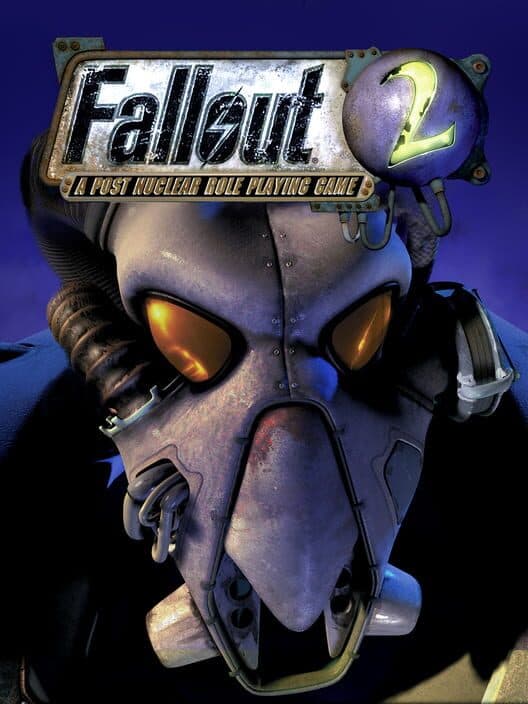
Fallout 2 cover art

Fallout 2

Interplay Entertainment • 1998 • PC (Microsoft Windows), Mac

Story-drivenExploration-focused

Is Fallout 2 Worth It?

Fallout 2 is worth playing today if you enjoy reading-heavy, choice-driven RPGs and can live with retro graphics and clunky menus. The big draw is how much the world reacts to you: your stats, perks, and decisions genuinely change quests, town outcomes, and the ending slideshow. It asks for patience with older design—unclear directions, some backtracking, and the occasional unwinnable fight if you wander somewhere dangerous too early. In return, you get a rich, darkly funny setting full of odd factions, moral dilemmas, and creative solutions that feel earned rather than scripted. Buy at full price if you like isometric RPGs such as Baldur’s Gate, Disco Elysium, or classic CRPGs in general, and you’re excited to role-play a character over 30–50 hours. Wait for a sale if you’re merely curious about the series or unsure about older interfaces. Skip it if you dislike lots of reading, hate managing stats and inventories, or prefer modern cinematic presentation over systems and writing.

When is Fallout 2 at its best?

When you’ve got an unrushed evening and want to sink 60–90 minutes into reading dialogue, solving problems, nudging quests forward without worrying about quick reactions.

On quieter weekends where you can play two or three sessions back to back, watching your character grow from weak villager into a true wasteland hero.

When you’re in the mood for dark humor and moral gray areas, and you’d rather think through choices than rely on fast reflexes or co-op coordination.

What is Fallout 2 like?

Commitment

MODERATE

Commitment

A substantial 30–50 hour adventure best played in 60–90 minute chunks, very pause-friendly but a bit tricky to return to after long breaks.

MODERATE

Fallout 2 asks for a solid but manageable time investment from a busy adult. Finishing the main quest and a good slice of the major town storylines will likely take 30–50 hours, spread across many evenings. The structure is wonderfully flexible: you can save and quit almost anywhere, pause indefinitely, and handle interruptions in the middle of combat or dialogue. That makes it easy to fit around family or work. The tradeoff is that the world is open and not heavily guided, so after a week away you may need to reread logs and jog your memory about who wanted what. There are no social obligations, raids, or scheduled events—it’s entirely solo and offline—so you can disappear for a month and come back without letting anyone down. If you’re comfortable with a slightly higher re-entry cost in exchange for total control over session length, it fits well into an adult schedule.

Tips

  • Aim for 60–90 minute sessions so you can usually wrap a quest or major conversation before stopping for the night.
  • Use multiple save slots labeled by town or quest so it’s easier to remember what you were doing after a break.
  • Consider calling it “done” after finishing the main story and several favorite town arcs instead of chasing every obscure side quest.

Focus

MODERATE

Focus

Slow, thoughtful sessions full of reading and planning, with almost no need for quick reactions or constant eyes-on-the-screen attention.

MODERATE

Playing Fallout 2 feels like settling in with a grim, funny gamebook where you control both the stats and the choices. Most of your attention goes into reading dialogue, understanding what people want, and deciding what kind of person your character will be. Combat is turn-based, so even tense encounters happen at your pace: you can step away mid-turn, plan carefully, and never worry about split-second dodges. The flip side is that you’ll spend a lot of time parsing text, comparing item stats, and thinking through the knock-on effects of your actions. You don’t need to stare at the screen constantly, but when you’re engaging with it, you need to be mentally present. If you like chewing on moral dilemmas and weighing options, that’s a plus. If you prefer games you can half-watch while chatting or watching TV, the heavy reading and branching conversations may demand more focused attention than you expect.

Tips

  • Play when you have enough energy to actually read dialogues; skimming makes quests confusing and undercuts a lot of the game’s charm.
  • Keep a simple notepad for key names, locations, and leads so you don’t have to re-read the same conversations every session.
  • If you’re tired, use a session for travel, bartering, and inventory cleanup rather than big story decisions or difficult combat.

Mastery

MODERATE

Mastery

Takes a few sessions to click, then steadily rewards better builds, planning, and system knowledge without requiring perfection.

MODERATE

Learning Fallout 2 is less about twitch skill and more about decoding an older style of RPG. Your first hours are spent figuring out what the stats really do, which skills matter, and why some fights feel impossible. Once that clicks, combat and questing become much smoother. Improving at the game means understanding which encounters to avoid, when to talk instead of shoot, and how to position allies during battles. You’ll definitely feel the payoff of smarter perk choices and good early planning, especially on normal difficulty, but you don’t need to master every system to finish the story. There’s a decent ceiling if you enjoy optimizing builds or trying oddball characters, yet a casual, story-first player can still succeed. The game rewards curiosity and experimentation more than flawless execution, making it a good fit if you like learning as you go rather than grinding skill checks for tiny advantages.

Tips

  • Use a beginner-friendly build guide for your first character so you avoid frustrating stat spreads that struggle badly in the opening hours.
  • Commit to a theme for your character—smooth talker, sniper, bruiser—and lean into it instead of half-investing in everything.
  • Treat your first run as a learning playthrough; save more experimental, min-maxed characters for any future replays.

Intensity

MODERATE

Intensity

Morally heavy and sometimes punishing, but rarely heart‑pounding; tension comes more from tough choices than from fast or frightening action.

MODERATE

Fallout 2 isn’t a jump-scare or reflex-stress kind of game. Your pulse usually stays steady because almost everything is turn-based and under your control. The intensity comes from different angles: dark subject matter, bleak humor, and the feeling that you can seriously mess up a town with one bad decision. Early on, a rough build or wandering into the wrong area can feel harsh, and you may reload after a brutal ambush or boss. Still, because you can save anywhere and take as long as you like per turn, it rarely feels overwhelming in the moment. Emotionally, it asks you to sit with slavery, addiction, exploitation, and moral compromise, often wrapped in jokes. That can be draining if you’re sensitive to those themes. For most adults, it lands as medium-intensity: demanding enough to keep you alert and thinking, but not the kind of game that leaves you wired and exhausted at bedtime.

Tips

  • Lower combat difficulty if repeated deaths start to sour the story; the mood stays dark even when fights are easier.
  • Save before major confrontations or big moral choices so you can explore outcomes without feeling trapped by one mistake-heavy path.

Frequently Asked Questions

You Might Also Like

Games with a similar rhythm and feel, even if they look different
Fallout: A Post Nuclear Role Playing Game game cover art

Fallout: A Post Nuclear Role Playing Game

Commitment
MODERATE
Focus
MODERATE
Mastery
MODERATE
Intensity
MODERATE
Fallout 2 Remake game cover art
Story-drivenExploration-focused

Fallout 2 Remake

Commitment
MODERATE
Focus
MODERATE
Mastery
MODERATE
Intensity
LOW
Wasteland 2 game cover art
Story-driven

Wasteland 2

Commitment
HIGH
Focus
MODERATE
Mastery
MODERATE
Intensity
MODERATE
Warhammer 40,000: Rogue Trader game cover art
Story-driven

Warhammer 40,000: Rogue Trader

Commitment
HIGH
Focus
MODERATE
Mastery
MODERATE
Intensity
MODERATE
Pillars of Eternity II: Deadfire game cover art
Story-driven

Pillars of Eternity II: Deadfire

Commitment
HIGH
Focus
MODERATE
Mastery
HIGH
Intensity
LOW
Breathedge game cover art

Breathedge

Commitment
LOW
Focus
MODERATE
Mastery
MODERATE
Intensity
LOW
← Back to Home