Activision • 2024 • PlayStation 4, PC (Microsoft Windows), PlayStation 5, Xbox One, Xbox Series X|S
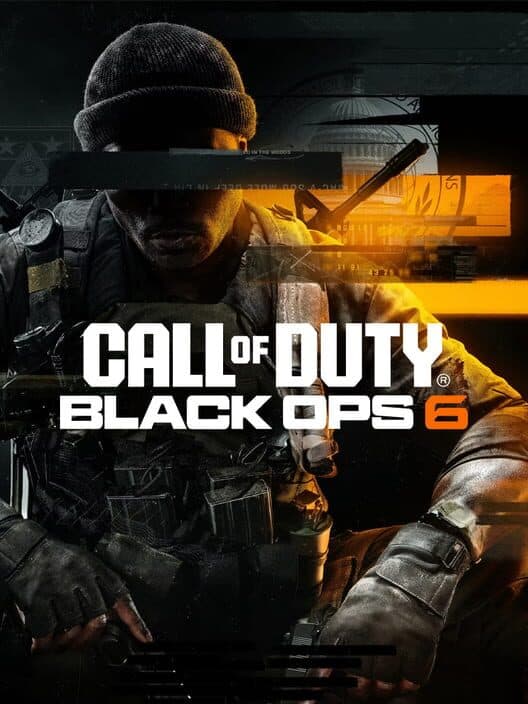
Yes, Call of Duty: Black Ops 6 is worth it if you want sharp shooting, short sessions, and a package that gives you more than one mood. The big selling point is feel. Guns are snappy, movement is lively, and even a 45-minute night can leave you with a few solid matches, weapon progress, or a good Zombies run. The campaign helps too. It's short, polished, and more varied than many recent series stories. The catch is everything around the action. Public matches can feel sweaty, spawns can frustrate, and the Call of Duty HQ wrapper adds always-online friction, updates, and occasional tech headaches. Buy at full price if you expect to spend time in multiplayer or Zombies and already know you enjoy this style of fast shooter. Wait for a sale if you mainly want the 6-10 hour campaign or you only play occasionally. Skip it if you need pause-anytime flexibility, dislike realistic violence, or bounce off competitive lobbies quickly.

Activision • 2024 • PlayStation 4, PC (Microsoft Windows), PlayStation 5, Xbox One, Xbox Series X|S
Yes, Call of Duty: Black Ops 6 is worth it if you want sharp shooting, short sessions, and a package that gives you more than one mood. The big selling point is feel. Guns are snappy, movement is lively, and even a 45-minute night can leave you with a few solid matches, weapon progress, or a good Zombies run. The campaign helps too. It's short, polished, and more varied than many recent series stories. The catch is everything around the action. Public matches can feel sweaty, spawns can frustrate, and the Call of Duty HQ wrapper adds always-online friction, updates, and occasional tech headaches. Buy at full price if you expect to spend time in multiplayer or Zombies and already know you enjoy this style of fast shooter. Wait for a sale if you mainly want the 6-10 hour campaign or you only play occasionally. Skip it if you need pause-anytime flexibility, dislike realistic violence, or bounce off competitive lobbies quickly.
Players repeatedly praise how responsive the shooting feels, with quick handling and omnimovement making ordinary public matches fun even before unlocks or wins pile up.
A common complaint is that public matches can feel harsher than expected, with uneven spawns, abrupt deaths, and constant pressure making relaxed play harder to find.
Many reviews highlight the mix of stealth, spectacle, and spy-thriller missions, saying the story mode feels less one-note than recent series campaigns.
Players regularly mention the broader platform wrapper, large downloads, crashes, and server trouble as annoyances that hurt the experience before a match even starts.
Fans often call Zombies a real plus, praising the familiar round-based structure, better co-op rhythm, and the easy appeal of chasing a deeper run together.
Players repeatedly praise how responsive the shooting feels, with quick handling and omnimovement making ordinary public matches fun even before unlocks or wins pile up.
Many reviews highlight the mix of stealth, spectacle, and spy-thriller missions, saying the story mode feels less one-note than recent series campaigns.
Fans often call Zombies a real plus, praising the familiar round-based structure, better co-op rhythm, and the easy appeal of chasing a deeper run together.
A common complaint is that public matches can feel harsher than expected, with uneven spawns, abrupt deaths, and constant pressure making relaxed play harder to find.
Players regularly mention the broader platform wrapper, large downloads, crashes, and server trouble as annoyances that hurt the experience before a match even starts.
It fits short evenings very well, but it does not forgive sudden interruptions once a live round starts, especially online.
This is one of the easier big shooters to fit into a real schedule, with an important asterisk. Multiplayer matches are short, clearly bounded, and satisfying in chunks, so 30 to 90 minutes can feel genuinely productive. Campaign is also compact, with a clear ending in about 6 to 10 hours and checkpoints that make it easy to spread across a week or two. If you want the whole package, including enough multiplayer and Zombies to feel the core loop, around 15 to 25 hours is a realistic stopping point. The catch is flexibility inside a session. Campaign pauses. Multiplayer and Zombies mostly do not. If life interrupts you mid-match, the game handles that poorly even though its matches are short. It also has some access friction because of the always-online wrapper and launcher flow. Socially, it stays light. Solo queue is normal, and friends help but aren't required. So the game asks for regular short windows and tolerates rust fairly well. It gives back quick closure, clear progress, and easy weeknight scheduling.
You need your eyes on the screen and your hands ready almost every second; success comes from fast reading, fast aiming, and quick route choices.
Black Ops 6 asks for sharp, continuous attention, especially in multiplayer. A typical life lasts only seconds, so you're constantly reading sightlines, minimap info, footstep audio, teammate deaths, grenades, and likely enemy routes. The thinking is brisk and practical rather than slow and puzzle-like. You're rarely planning five steps ahead. You're deciding whether to push, hold, wrap around, reload, or cash in a streak right now. That makes it easy to understand but hard to play half-distracted. Campaign gives you a softer version of this, with clearer setups and more breathing room between fights. Zombies shifts the mental load from duels to crowd control, safe paths, and timing purchases under pressure. What the game asks from you is sustained alertness and quick hands. What it gives back is a crisp sense of flow when your aim, movement, and map reading click at the same time.
It is easy to start and harder to settle into, with most improvement coming from map memory, recoil comfort, and cleaner habits under pressure.
Black Ops 6 is not hard to understand, but it does ask for repetition before you feel steady. The basics are familiar almost immediately if you've played any modern shooter: point, shoot, move, use your equipment, follow the objective marker. The real growth comes from learning where people peek, which routes are dangerous, how a gun behaves with your chosen attachments, and when to commit or back off. That learning process is fairly kind because failure is cheap. You respawn quickly, campaign checkpoints are generous, and even rough matches still move your unlock bars forward. That makes practice feel productive instead of punishing. Campaign is the gentlest on-ramp, Zombies teaches movement and resource timing in a different way, and multiplayer is where rust shows the fastest. What the game asks from you is a few evenings of pattern-building and muscle memory. What it gives back is a strong feeling of visible improvement without demanding a huge study session.
It delivers frequent adrenaline spikes and quick frustration bursts, but failures are cheap enough that the pressure usually feels lively instead of crushing.
This is an energizing shooter more than a punishing one. Multiplayer gives you constant little jolts: a close duel, a sudden death, a streak building, a scoreline tightening. That creates real buzz in your body, especially during a good run. The flip side is that public matches can annoy you quickly when spawns feel unfair, connections wobble, or every lobby feels hotter than you wanted. The good news is that the game rarely punishes failure in a lasting way. A bad death costs seconds. A bad match still gives progress. Another round is usually moments away. Campaign is much calmer and easier to control, while Zombies ramps upward from manageable to hectic as the round count rises. So the trade is simple. The game asks you to stay keyed up and accept a little chaos. In return, it delivers punchy action highs that fit neatly into a weeknight instead of draining your whole evening.
Games with a similar rhythm and feel, even if they look different