Powered by IGDB•Privacy•Terms

© 2026 Slated.gg

Slated.gg
Popular GamesAbout

Vintage Story

Tyron Madlener • 2018 • Linux, PC (Microsoft Windows), Mac
Rewarding skill growthFreedom to experimentExploration-focused

Is Vintage Story Worth It?

Vintage Story is absolutely worth it if you love survival crafting and long-term building projects. It asks for patience, curiosity, and a willingness to learn its systems, but it gives back a deep, absorbing homesteading experience. You’ll start fragile and confused, then gradually build a base that feels like your own cozy fortress against the world. There’s no handholding story or quest log, so you need to enjoy setting your own goals and figuring things out, sometimes with help from a wiki. If you only enjoy highly guided games or dislike repeating trips for resources, this may feel like work. The early game can be punishing, and returning after a long break is harder than in a straightforward RPG. Buy at full price if you already enjoy games like Minecraft survival, Don’t Starve, or modded sandbox packs and want a more grounded, systemic take. If you’re only mildly curious, waiting for a sale makes sense. Skip it if you mainly want cinematic stories or quick, low-commitment thrills.

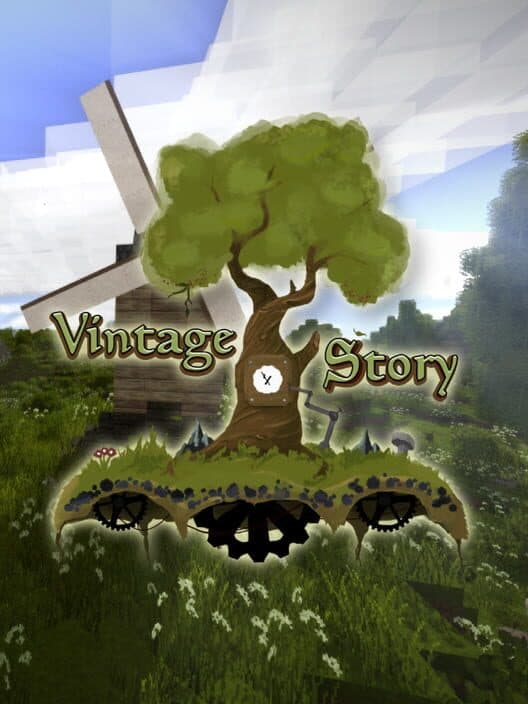
Vintage Story cover art

Vintage Story

Tyron Madlener • 2018 • Linux, PC (Microsoft Windows), Mac

Rewarding skill growthFreedom to experimentExploration-focused

Is Vintage Story Worth It?

Vintage Story is absolutely worth it if you love survival crafting and long-term building projects. It asks for patience, curiosity, and a willingness to learn its systems, but it gives back a deep, absorbing homesteading experience. You’ll start fragile and confused, then gradually build a base that feels like your own cozy fortress against the world. There’s no handholding story or quest log, so you need to enjoy setting your own goals and figuring things out, sometimes with help from a wiki. If you only enjoy highly guided games or dislike repeating trips for resources, this may feel like work. The early game can be punishing, and returning after a long break is harder than in a straightforward RPG. Buy at full price if you already enjoy games like Minecraft survival, Don’t Starve, or modded sandbox packs and want a more grounded, systemic take. If you’re only mildly curious, waiting for a sale makes sense. Skip it if you mainly want cinematic stories or quick, low-commitment thrills.

When is Vintage Story at its best?

You have 60–90 minutes in the evening and want to chip away at a long-term project, like expanding your cellar or completing a planned mining run.

You’re in the mood for something absorbing but not twitchy, happy to focus on planning, building, and resource management instead of fast reflex combat.

You and a couple of friends want a shared long-term world where you can slowly build a town together, each taking on different roles over many relaxed sessions.

What is Vintage Story like?

Commitment

HIGH

Commitment

Built for long-running worlds and projects, but with flexible saving that works fine for 60–90 minute weeknight sessions.

HIGH

Vintage Story is a slow-burn game. You’re not meant to finish it in a weekend; you’re meant to live in a world over weeks or months. Reaching a point where you feel you’ve “done it” usually means building a solid homestead, seeing at least one winter through, and getting into mid-tier metals. That often lands in the 40–80 hour range for a casual adult player. The good news is that it plays nicely with real-life schedules. You can hop in for an hour, run a mining trip or manage your farm, and then quit almost anywhere thanks to flexible saving. The catch is that there are no quests to tell you what you were doing, and the systems are complex, so coming back after a long break can feel disorienting. It’s best suited to periods where you can play a few evenings each week, keeping your plans and projects fresh in your mind.

Tips

  • Keep a simple in-game signboard or external notes listing current goals so you can quickly remember your plans next session.
  • Aim for one clear, doable objective per session—like finishing a cellar wall or a short mining run—to create natural stopping points.
  • Avoid multi-week breaks during your first year in-game; frequent shorter sessions help keep complex systems and locations fresh in your memory.

Focus

MODERATE

Focus

Needs steady, thoughtful attention, especially when exploring, but allows calmer, lower-pressure stretches while building or tending your base.

MODERATE

Playing Vintage Story feels like running a small homestead in your head. You’re usually tracking what time it is, how much food you have, which tools are wearing out, and where nearby dangers might come from. Travel and cave exploration demand the most attention; you’re watching shadows, listening for wolves, dropping torches, and constantly judging when to head back. At home, the pace eases as you arrange storage, shape clay, or tweak your walls and roof. Those calmer tasks still require some focus, but you can mentally zoom out and think about medium-term projects instead of moment-to-moment survival. This means it’s not a game to half-play while watching a show, at least not when you’re away from base. It asks for consistent but not exhausting concentration and rewards that attention with fewer deaths, smoother expeditions, and a base layout that actually works. For a busy adult, it’s mentally engaging without feeling like work once you’ve learned the basics.

Tips

  • Plan high-focus activities like caving or long scouting trips for nights when you’re alert, not when you’re half-asleep after work.
  • Keep a short written checklist of current projects so you can quickly choose a low-focus base task if you’re tired.
  • When fatigued, stay near home doing organizing, building, or crafting instead of pushing into new, more dangerous areas.

Mastery

MODERATE

Mastery

Takes some evenings to learn, but rewards better planning and world knowledge with a much smoother, more empowering experience.

MODERATE

Learning Vintage Story isn’t instant, but it’s very rewarding. You’ll pick up basic controls and simple crafting quickly, yet true comfort takes several sessions. You need to internalize how food spoils, how far you can safely roam in a day, what each ore looks like, and how seasons change your priorities. The game doesn’t handhold much, so you’ll likely mix in some wiki searches or YouTube guides at first. The upside is that your growth really matters. Once you understand efficient farming layouts, smart cellar design, and good mining habits, the game shifts from constant scrambling to pleasant long-term planning. Fewer surprise deaths, smoother winters, and more ambitious builds are all direct results of your improved skill and knowledge. For a busy adult, this is a game where investing a bit of learning time upfront pays off for dozens of hours afterward, as everyday tasks become faster and less stressful.

Tips

  • Expect to lean on a wiki or guide for a few key systems like metallurgy and food preservation early on.
  • Focus your learning on one system at a time, such as farming or smithing, instead of trying to master everything at once.
  • After each death or setback, pause to ask what pattern you missed and adjust your routines rather than just rushing back out.

Intensity

MODERATE

Intensity

Tense and punishing at times, but balanced by long stretches of cozy, low-adrenaline building and farming.

MODERATE

Vintage Story sits in the middle when it comes to stress. It can absolutely be tense: venturing into dark caves, hearing wolves howl nearby, or being caught outside during a temporal storm will spike your heart rate. Early on, deaths feel costly, and the fear of losing gear or wasting a long trip adds pressure. At the same time, a lot of your play will be spent in the quiet safety of your base, planting fields, organizing storage, or watching snow fall outside your windows. There’s no constant timer breathing down your neck, but there is a steady background pressure from hunger, seasons, and looming winters. If you ignore that, the game will punish you later. So the intensity comes more from long-term stakes than from nonstop combat. For most adults, this lands as engaging rather than overwhelming. It’s not the best choice when you’re already highly stressed and want pure comfort, but it offers a nice mix of tension and calm.

Tips

  • If you’ve had a rough day, stay home in-game: decorate, farm, and craft instead of diving into caves or storms.
  • Use world-generation options to soften creature difficulty if early-game deaths feel more stressful than fun.
  • Treat winters and storms as events to prepare for early, so they feel like planned challenges instead of sudden disasters.

Frequently Asked Questions

You Might Also Like

Games with a similar rhythm and feel, even if they look different
StarRupture game cover art

StarRupture

Commitment
MODERATE
Focus
HIGH
Mastery
MODERATE
Intensity
MODERATE
Project Zomboid game cover art
Rewarding skill growthFreedom to experiment

Project Zomboid

Commitment
MODERATE
Focus
HIGH
Mastery
HIGH
Intensity
HIGH
Terraria game cover art
Freedom to experimentExploration-focused

Terraria

Commitment
MODERATE
Focus
MODERATE
Mastery
MODERATE
Intensity
MODERATE
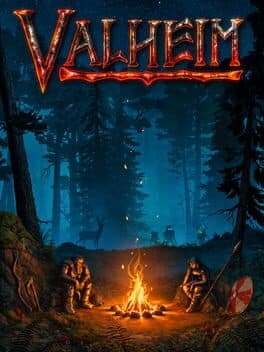
Valheim game cover art
Freedom to experimentExploration-focused

Valheim

Commitment
MODERATE
Focus
MODERATE
Mastery
MODERATE
Intensity
MODERATE
Palworld game cover art

Palworld

Commitment
MODERATE
Focus
MODERATE
Mastery
MODERATE
Intensity
MODERATE
Minecraft game cover art
Freedom to experimentExploration-focused

Minecraft

Commitment
MODERATE
Focus
MODERATE
Mastery
LOW
Intensity
LOW
← Back to Home