Terraria

Headup Games2011Google Stadia, PlayStation 3, PlayStation 4, Linux, Nintendo 3DS, Windows Phone, Android, PC (Microsoft Windows), iOS, Mac, Wii U, PlayStation Vita, Xbox 360, Xbox One, Nintendo Switch
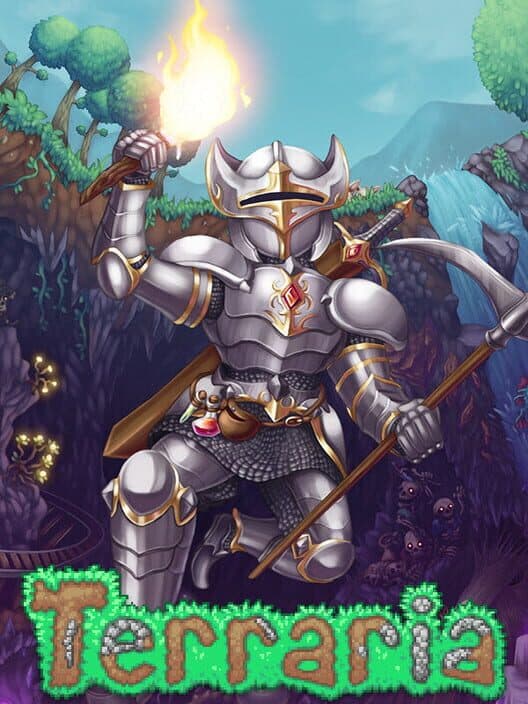
Open-ended 2D exploration and survival

Deep crafting and creative base building

Long-term character and world progression

Is Terraria Worth It?

Terraria is absolutely worth it if you enjoy open-ended games where you set your own goals and like a mix of exploration, light combat, and building. For a low price you get a huge, polished sandbox that can easily sustain dozens of satisfying hours without pushing you into predatory monetization or daily check-ins. What it asks from you is some curiosity, a bit of patience with learning its systems, and comfort without a strong story pulling you along. In return, you get a world that genuinely feels like yours: a base you designed, gear you crafted, and bosses you conquered in your own order. Busy adults who love feeling productive in games will likely get great value at full price. If you mainly play for cinematic storytelling or hate deciding what to do next, it might feel aimless, so waiting for a sale makes sense. If you dislike crafting, building, or repeated experimentation entirely, you are better off skipping it for a more guided experience.

When is Terraria at its best?

Terraria is perfect on a free weeknight when you have about an hour and want to run a mining trip, craft upgrades, and maybe poke at a new biome or mini-boss.

It shines on a relaxed weekend afternoon playing online with a friend, splitting tasks between building, exploring, and fighting, turning a rough starter shelter into a real shared town.

This is a great choice when you crave something productive but not too intense, letting you listen to a podcast while mining, organizing storage, and gradually beautifying your base.

What is Terraria like?

Terraria is the kind of game that can quietly soak up months if you let it, yet it also works surprisingly well for a busy schedule. A satisfying arc for most adults is one substantial world that reaches Hardmode, clears several marquee bosses, and produces a base you like living in, usually landing around 40–70 hours. That sounds big, but the game slices naturally into smaller chunks: an evening might be one mining expedition, a focused building push, or a couple of boss attempts. You can Save & Exit almost anywhere, pause freely in single-player, and characters and worlds persist separately, so hopping in for an hour after work is totally viable. Coming back after a break involves some reorientation, but there is no complex quest log to untangle; you can simply decide on a fresh project. The main risk is that it is very tempting to say “just one more thing” and suddenly extend a session. Terraria asks for long-term curiosity more than rigid, marathon play blocks.

Tips

  • Frame each session around one clear outcome, like finishing a room or upgrading one gear slot, so it is easier to stop when that is done.
  • Try to end sessions back at your base with chests sorted and loot stashed; you will re-enter more smoothly next time.
  • If your week is busy, stick to nearby mining or small building tweaks instead of starting long expeditions you cannot reasonably finish.

Playing Terraria feels like a steady, comfortable hum of attention. When you are out in caves, the jungle, or other dangerous biomes, you do need to watch the screen and react to enemies, falls, and traps. Boss fights especially pull your focus into dodging patterns and keeping track of health, buffs, and terrain. Between those spikes, though, there is a lot of quieter thinking: planning mining routes, sorting storage, arranging rooms so NPCs move in, and deciding what you actually want to work on tonight. The game almost never plays itself in the background, but much of the time the thinking is pleasant rather than tiring. For a busy adult, this means you probably should not pair Terraria with a complex show or serious multitasking, yet it works well while listening to music or a podcast. It asks for steady, medium-level attention and rewards you with that satisfying feeling of having used your brain without burning it out.

Tips

  • Save boss attempts for nights when you can really focus; use tired evenings for safe mining, fishing, or decorating instead.
  • Build safe, well-lit tunnels and bases so brief glances away from the screen are less likely to end in an unexpected death.
  • Before each session, jot down one to three simple goals so you spend less time wandering aimlessly and more time acting.

Terraria does not have a brutal barrier to entry, but it also is not a simple plug-and-play experience. In your first few hours, you will learn how to move, swing tools, place blocks, and survive the first night. Pretty quickly, though, questions appear: Which ore is better? What boss should I fight next? Why are certain NPCs not moving in? The game explains some of this, but a lot is discovered through trial, error, or a quick glance at a wiki. Over time you pick up efficient habits: building safe shafts, preparing arenas, using mobility items well, and bringing the right gear for each biome or boss. These skills make the world feel less hostile and cut down on wasted time. The nice part is that you do not need fighting-game reflexes to benefit from getting better; planning, knowledge, and smart preparation matter as much as twitch skill. Terraria asks for a bit of curiosity and willingness to learn, then pays you back with smoother, more satisfying runs.

Tips

  • Do not feel guilty about checking guides for basic progression questions; a little outside info can dramatically smooth the early bumps.
  • Practice dodging and movement in safer biomes using grappling hooks, double jumps, and platforms before pushing into tough bosses or areas.
  • Treat each failed boss attempt as free scouting; adjust your arena, potions, and movement based on what you saw instead of brute-forcing.

Emotionally, Terraria sits in a comfortable middle zone. Wandering the surface, digging tunnels, or decorating your base feels almost cozy, like puttering around a workshop. The music is gentle, the pixel art is friendly, and there is no relentless timer breathing down your neck. Intensity ramps up mainly during boss fights, invasions, or when you wander somewhere you are not really ready for yet. In those moments, your heart rate can spike a bit as projectiles fill the screen or enemies swarm you, but a death usually just means you lose some coins and time. There is no fear of losing your entire save or having hours of progress erased on standard settings. For a tired adult, that means you can choose what kind of night you want: a chill building session, a slightly tense cave expedition, or a more adrenaline-heavy boss attempt. The game asks you to tolerate mild stress in exchange for exciting victories, not to live in a constant state of panic.

Tips

  • On stressful days, skip big events and focus on low-risk tasks like gardening, fishing, or interior decorating to keep sessions soothing.
  • Use arena-building and buff potions before bosses so those intense moments feel challenging but fair instead of chaotic and overwhelming.
  • Stick to Classic worlds and Softcore characters if you dislike high stakes; harder modes dramatically increase pressure and punishment.

Frequently Asked Questions