Powered by IGDB•Privacy•Terms

© 2026 Slated.gg

Slated.gg
Popular GamesAbout

Abiotic Factor

Playstack • 2025 • Xbox Series X|S, PC (Microsoft Windows), PlayStation 5
Quick sessionsStory-driven

Is Abiotic Factor Worth It?

Abiotic Factor is absolutely worth it if you enjoy survival-crafting games with a real story and friends to play with. For the price of a mid-range release, you get a 40–60 hour campaign, deep base building, and a tone that mixes horror tension with goofy science-lab comedy. The game does ask for attention and planning: you’ll manage food, power, crafting chains, and dangerous expeditions rather than just mowing down enemies. In return, it delivers a strong feeling of building a home in a hostile place and of facing chaos together as a tiny team of overqualified nerds. Buy at full price if you like long co-op projects, loved things like Valheim or Subnautica, or want a main game to occupy several weeks. It’s also a solid solo experience if you enjoy tinkering and reading in-world lore. If you’re unsure about survival mechanics or can only play in 30-minute bursts, wait for a sale. Skip it if you hate managing meters, dislike dark environments, or mainly want short, drop-in shooters.

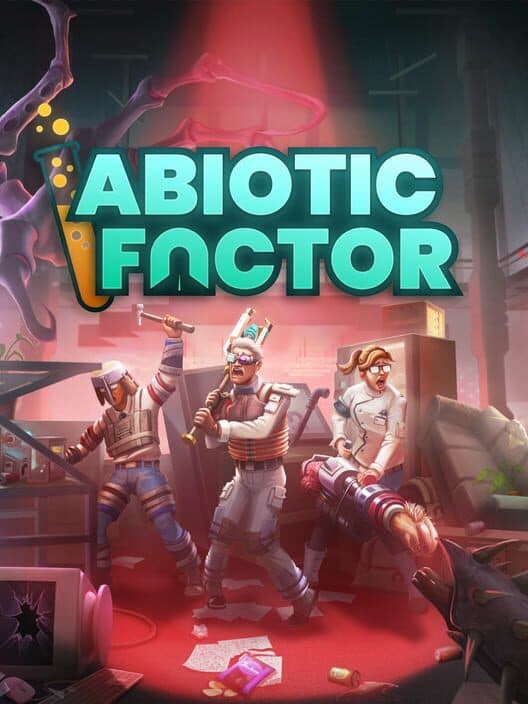
Abiotic Factor cover art

Abiotic Factor

Playstack • 2025 • Xbox Series X|S, PC (Microsoft Windows), PlayStation 5

Quick sessionsStory-driven

Is Abiotic Factor Worth It?

Abiotic Factor is absolutely worth it if you enjoy survival-crafting games with a real story and friends to play with. For the price of a mid-range release, you get a 40–60 hour campaign, deep base building, and a tone that mixes horror tension with goofy science-lab comedy. The game does ask for attention and planning: you’ll manage food, power, crafting chains, and dangerous expeditions rather than just mowing down enemies. In return, it delivers a strong feeling of building a home in a hostile place and of facing chaos together as a tiny team of overqualified nerds. Buy at full price if you like long co-op projects, loved things like Valheim or Subnautica, or want a main game to occupy several weeks. It’s also a solid solo experience if you enjoy tinkering and reading in-world lore. If you’re unsure about survival mechanics or can only play in 30-minute bursts, wait for a sale. Skip it if you hate managing meters, dislike dark environments, or mainly want short, drop-in shooters.

When is Abiotic Factor at its best?

When you and one or two friends can meet online once or twice a week and want a shared project that blends base-building, tense expeditions, and plenty of ridiculous co-worker stories.

When you have a free evening, enough focus for a 90-minute session, and crave something more involved than a shooter but less brain-melting than a hardcore strategy game.

When you’re in the mood to tinker, organizing storage, wiring up machines, and slowly transforming a chaotic lab complex into a comfortable underground home between occasional heart-pounding expeditions.

What is Abiotic Factor like?

Commitment

MODERATE

Commitment

A 40–60 hour campaign best played in 60–120 minute sessions over several weeks, with extra scheduling needs in co-op.

MODERATE

This is a medium-long campaign best enjoyed over several weeks. Finishing the story, building a solid base, and seeing a good mix of portal worlds will usually take 40–60 hours, depending on how much you wander. Sessions themselves are naturally on the longer side: an ideal night is 60–120 minutes so you can run a portal, clear part of a sector, and tidy your base before stopping. Frequent autosaves and full pause in solo play make it possible to handle real-life interruptions, but long objectives and co-op sessions can still sprawl. Picking the game back up after a break usually means a short reorientation tour of your base and quest log, especially if you juggle several games at once. Co-op adds another layer of commitment: it’s at its best when you and friends can keep a loose weekly schedule. Overall, it’s a great “main game” rather than something you just dip into occasionally.

Tips

  • Aim for 60–120 minute sessions; that’s usually enough to run a portal or complete a strong objective without feeling rushed.
  • Use autosave-on-quit wisely: retreat to base, tidy up, then exit so it’s easy to remember your situation next time.
  • If real life gets busy, consider pausing a long co-op run and starting a smaller solo world you can drop into briefly.

Focus

HIGH

Focus

You’re usually juggling survival, navigation, and planning decisions at a steady pace, with moderate real-time combat and little true autopilot time.

HIGH

Abiotic Factor wants a decent amount of your attention. In a typical session you’re tracking survival needs, watching your surroundings, and planning what to craft or where to explore next. Combat happens in real time, but enemies usually telegraph attacks and you have space to think, so it’s more about staying aware than about razor-sharp reactions. The game also spends plenty of time in menus and at your base, sorting inventory, setting up power, and queuing construction, which pulls things toward a more thoughtful, planning-heavy feel. This isn’t a great choice if you want to half-watch a show or listen to a complex podcast, because stepping away during expeditions can lead to surprise damage or missed cues. But it also isn’t a constant barrage of action; downtime at base gives your brain little breaks. Overall, expect to be mentally “on” most of the time, without the exhausting pace of a twitch shooter.

Tips

  • Try to play when you’re alert; this isn’t ideal for half-asleep late nights after a draining day.
  • Use base time to tidy inventories and queue crafting so combat excursions can stay focused and shorter.
  • If you feel overloaded, let a co-op partner handle navigation while you specialize in crafting or defense.

Mastery

MODERATE

Mastery

Takes a few evenings to learn, then steadily rewards better planning and knowledge without demanding obsessive practice.

MODERATE

Abiotic Factor takes a little while to learn but doesn’t demand obsessive practice. The first several evenings can feel busy as you figure out how survival meters work, which benches handle which recipes, and what the various portal rules and class perks actually do. If you’ve played other survival-crafting games you’ll adapt quicker, but new players should expect a gentle learning curve over 8–15 hours rather than instant comfort. As you gain experience, your runs become noticeably smoother: you’ll know efficient routes, how to stage supplies, and how to tackle sectors that once felt impossible. Getting better saves time, reduces panic, and lets you take on higher difficulties if you want extra spice. But the game isn’t built around climbing a competitive ladder or mastering frame-perfect combat. You’ll feel rewarded for understanding its systems, yet you won’t feel like you must grind skills for dozens of hours just to enjoy the story.

Tips

  • Expect the first few evenings to feel messy; treat them as learning and don’t be afraid to check a guide for basics.
  • Stick mostly to one weapon style and one base location early so you can learn deeply instead of spreading attention everywhere.
  • Once the basics click, intentionally revisit earlier areas to feel the difference your skills and gear improvements make.

Intensity

MODERATE

Intensity

Tense and sometimes spooky with real stakes, but broken up by safe base time, humor, and very flexible difficulty settings.

MODERATE

The overall mood sits in the middle: tense and sometimes spooky, but rarely overwhelming. On default settings, enemies can do serious damage and death has real consequences, so new areas and portal runs come with genuine nerves. Dark corridors, sudden ambushes, and the risk of losing hard-won loot will give you a few heart-in-throat moments each week. At the same time, the game breaks that tension with stretches of safe base work, goofy physics, and sharp humor about corporate science gone wrong. Because you can adjust enemy toughness and death penalties, you have a lot of control over how punishing things feel. Turn the knobs down and it becomes more of a relaxed adventure with occasional scares; crank them up and it edges toward survival horror. For a busy adult, it lands in that satisfying zone where you care about staying alive and protecting your stuff, but you’re not constantly stressed out.

Tips

  • If tension feels high, lower enemy damage or death penalties a notch; the story and building remain fun on gentler settings.
  • Schedule tougher sectors for times you’re mentally fresh, and save relaxed base work for lower-energy evenings.
  • Play with at least one calm friend who can laugh off setbacks and keep the mood light during rough runs.

Frequently Asked Questions

You Might Also Like

Games with a similar rhythm and feel, even if they look different

Dune: Awakening game cover art
Story-driven

Dune: Awakening

Commitment
HIGH
Focus
HIGH
Mastery
MODERATE
Intensity
MODERATE
Dying Light: The Beast game cover art

Dying Light: The Beast

Commitment
MODERATE
Focus
HIGH
Mastery
MODERATE
Intensity
HIGH
Revenge of the Savage Planet game cover art

Revenge of the Savage Planet

Commitment
MODERATE
Focus
MODERATE
Mastery
MODERATE
Intensity
LOW
Monster Hunter: World game cover art

Monster Hunter: World

Commitment
HIGH
Focus
HIGH
Mastery
MODERATE
Intensity
MODERATE
Where Winds Meet game cover art
Story-driven

Where Winds Meet

Commitment
HIGH
Focus
HIGH
Mastery
MODERATE
Intensity
MODERATE
Monster Hunter Wilds game cover art

Monster Hunter Wilds

Commitment
MODERATE
Focus
HIGH
Mastery
MODERATE
Intensity
MODERATE
← Back to Home