Panic • 2016 • PlayStation 4, Linux, PC (Microsoft Windows), Mac, Xbox One, Nintendo Switch
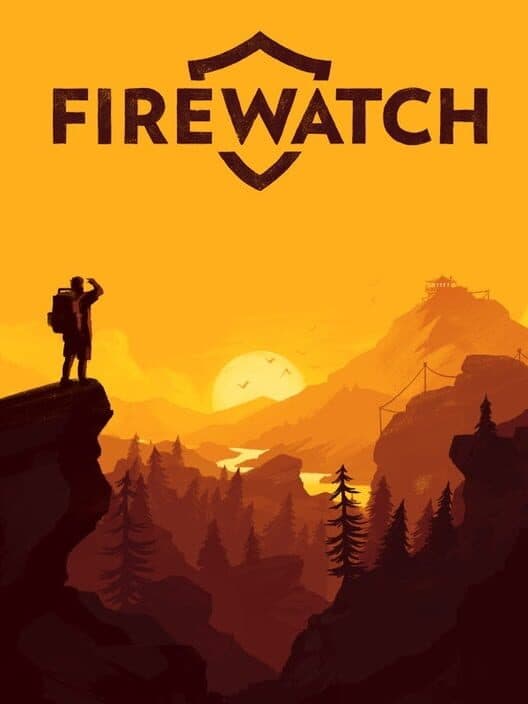
Short first-person hike through stylized Wyoming wilderness
Relationship-driven story told entirely through radio conversations
Low-stress, combat-free experience finished in a few hours
Firewatch is worth it if you enjoy short, story-driven games and don’t need combat, puzzles, or deep mechanics to feel satisfied. It’s essentially a playable, first-person novella: you walk through a gorgeous stylized Wyoming forest, talk over a radio, and live through one strange summer in Henry’s life. The game asks for just a few focused evenings and very little skill, but it does ask that you care about conversation, subtext, and atmosphere. In return, you get sharp writing, strong performances, and a memorable sense of place. The art direction and soundtrack are consistently lovely, and the relationship between Henry and Delilah can feel surprisingly real. There’s almost no replay value, and the low-key, slightly ambiguous ending won’t work for everyone. Buy at full price if you love narrative adventures, walking sims, or emotionally grounded stories you can finish in a weekend. If you mainly play for systems, challenge, or long-term progression, wait for a sale or skip it.

Panic • 2016 • PlayStation 4, Linux, PC (Microsoft Windows), Mac, Xbox One, Nintendo Switch
Short first-person hike through stylized Wyoming wilderness
Relationship-driven story told entirely through radio conversations
Low-stress, combat-free experience finished in a few hours
Firewatch is worth it if you enjoy short, story-driven games and don’t need combat, puzzles, or deep mechanics to feel satisfied. It’s essentially a playable, first-person novella: you walk through a gorgeous stylized Wyoming forest, talk over a radio, and live through one strange summer in Henry’s life. The game asks for just a few focused evenings and very little skill, but it does ask that you care about conversation, subtext, and atmosphere. In return, you get sharp writing, strong performances, and a memorable sense of place. The art direction and soundtrack are consistently lovely, and the relationship between Henry and Delilah can feel surprisingly real. There’s almost no replay value, and the low-key, slightly ambiguous ending won’t work for everyone. Buy at full price if you love narrative adventures, walking sims, or emotionally grounded stories you can finish in a weekend. If you mainly play for systems, challenge, or long-term progression, wait for a sale or skip it.
When you have a quiet evening and want something deeper than TV but lighter than a strategy game, letting you finish a full in-game “day” in about an hour.
On a weekend afternoon with headphones on, when you’d enjoy slowly hiking through a beautiful world, soaking in voice acting and scenery without worrying about dying, grinding, or managing complex systems.
After a stressful workweek, when you want a short, emotionally grounded story about adult problems that you can pause freely for kids, chores, or conversations without losing your place.
A complete story in 4–5 hours, easily finished over two or three flexible, interruption-friendly evenings.
In terms of commitment, Firewatch is very kind to a busy schedule. The entire story runs about 4–5 hours, so many adults will finish it in two or three sessions of 60–90 minutes. The game is split into labeled summer “days,” and each day has a clear little arc, giving you natural places to stop without feeling like you bailed mid‑scene. You can pause at any time, there’s no online dependency, and autosaves are frequent, so dealing with kids, doorbells, or chores is painless. The only mild limitation is that you can’t drop manual saves whenever you like, but in such a short, linear game that rarely matters. Returning after a break is mostly about remembering where you were in the story, not re-learning systems. There’s no pressure to replay or grind; one run to the credits is considered “done” by almost everyone. It’s also purely solo, so you never have to coordinate with friends or a raid schedule to see everything.
Gentle hiking and conversation that ask for steady attention to dialogue and directions, but never heavy thinking or fast reactions.
On the focus side, Firewatch asks more from your ears and heart than from your hands. A typical session means walking through the forest, glancing at your paper map, and listening closely to Delilah over the radio. You’re not tracking cooldowns, aiming weapons, or solving intricate puzzles. Instead, you’re following a thread of conversation and keeping a loose sense of where you are in the woods. Because there’s no combat or time pressure, you can play while a bit tired and still do fine, as long as you’re awake enough to follow the dialogue. Looking away for a moment usually just means you walk into a rock or miss a line, not that you fail anything. That said, the story lands best when you’re able to give it reasonably undivided attention. For a busy adult, it fits nicely into evenings when you can relax, put on headphones, and sink into an audiobook-like flow you control with simple movement.
Learn everything in under half an hour, with almost no need or reward for getting “better.”
From a skill perspective, Firewatch is about as gentle as games get. Within the first 20–30 minutes you’ll have learned everything you need: walk, climb a few marked spots, check your map and compass, use the radio, and interact with obvious objects. The game introduces a couple of tools later, but they’re straightforward and rarely used in tricky ways. There’s no aiming, timing windows, or combo systems to master. The story unfolds whether you’re “good” at games or not. Getting more familiar with the map might make you a bit faster at reaching objectives or spotting shortcuts, but it doesn’t unlock new outcomes or challenges. As a result, there’s very little sense of growing mechanical skill or chasing mastery. This is perfect if you’re drained from work and don’t want to practice or “get on the grind,” but still want something interactive. If you crave games where improvement is the main hook, this one will feel more like a one‑and‑done interactive novel.
Low-stress, slow-burning tension with heavy themes; more emotional unease than jump scares or adrenaline.
Firewatch keeps intensity deliberately low in a mechanical sense. You can’t die, there are no enemies, and nothing forces you into frantic button presses. Most of the time you’re strolling through beautiful scenery, talking about life and the odd things happening around you. The tension that does exist is psychological: the feeling of being watched, the weight of Henry’s backstory, and the uneasy mystery of the forest. A few sequences—like exploring the dark cave or realizing someone’s been in your tower—can feel mildly nerve‑wracking, but they never become outright horror. The game is more likely to make your stomach sink than your heart race. Emotional weight is the bigger factor: topics like illness, failing relationships, and a missing child can hit hard, especially if they mirror your own experiences. For most adults, this plays well as an evening wind‑down if you’re okay with bittersweet, sometimes sad material instead of lighthearted escapism or white‑knuckle action.
Games with a similar rhythm and feel, even if they look different