Neva

Devolver Digital2024Xbox Series X|S, PlayStation 4, PC (Microsoft Windows), PlayStation 5, Mac, Nintendo Switch
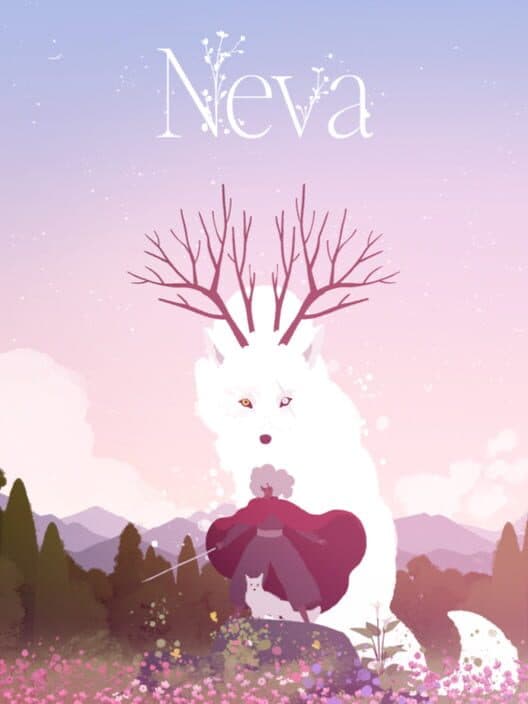
Short, emotional 2D adventure about grief and growth

Light platforming and combat with generous checkpoints

Finishable in one or two focused evenings

Is Neva Worth It?

Neva is absolutely worth it if you enjoy emotional, artful games and don’t need dozens of hours of content. For around the price of a movie night, you get a 4–5 hour, hand-painted adventure that blends light platforming and combat with a powerful, mostly wordless story about grief and love. It asks you for focused attention and emotional openness more than mechanical skill, and it wraps up before anything can overstay its welcome. If you loved games like Journey or GRIS, this sits in that same “short but unforgettable” space and is easy to recommend at full price. If you mainly value replayability, deep character builds, or long-term progression, Neva is better as a sale pick or something you borrow; once you’ve seen the ending and maybe cleaned up collectibles, you’re basically done. And if you’re not in a place to handle themes of loss and animal death, you may want to skip it or save it for later.

When is Neva at its best?

Perfect when you want a complete, emotional story over a short span, something you can finish without tracking huge skill trees, side quests, or a multi-week commitment.

Great for evenings when you have enough energy for some light platforming and puzzles and you’re in the mood to feel something real, not just zone out.

Ideal as a palate cleanser between big, sprawling games, offering a tightly focused, visually stunning adventure that respects your time and doesn’t demand long-term engagement.

What is Neva like?

Neva is unusually kind to limited free time. The full story runs about 4–5 hours, so most adults can finish it in a weekend or a few weeknights. The game is divided into seasonal chapters and smaller parts that tend to fit neatly into 30–60 minute sessions, each ending on a memorable moment. Autosaves at frequent checkpoints and instant pausing mean you can step away whenever life calls, without worrying about losing much progress. Returning after a break is painless: the controls are simple, the path is linear, and the seasonal structure makes it obvious where you are in the journey. There are no daily quests, online obligations, or social scheduling to worry about—it’s entirely single-player and fully offline. Optional collectibles and trophies add a bit of extra time for those who want it, but they’re easy to ignore. Overall, Neva asks for a small, focused commitment and gives you a complete, satisfying experience in return.

Tips

  • Plan on two or three focused sessions, stopping at the end of a named chapter part so each play feels like a complete slice of the story.
  • Lean on the frequent checkpoints if real life interrupts; it’s safe to quit almost anywhere and let autosave handle your progress.
  • Skip collectible hunting on your first run; enjoy the straight-through journey, then only revisit chapters if you genuinely want more time in this world.

Playing Neva asks for a moderate, steady level of attention. Most of the time you’re moving right through gorgeous environments, timing jumps, and occasionally nudging your companion into the right spot. The puzzles mostly involve reading visual cues and experimenting a little, not obsessively planning ten steps ahead. When a chase or boss sequence starts, your focus tightens: you’re watching enemy animations, judging gaps, and reacting quickly. These intense stretches are short and broken up by quieter walks and wordless story scenes. You don’t have to track complex systems, inventories, or branching quests, which keeps the mental load relatively light. At the same time, the game rewards watching animations, listening to the music, and noticing how the world changes, so it’s best played when you can actually look and listen, not while half-distracted. For a busy adult, it’s engaging enough to pull you out of your day without feeling like homework or an exam.

Tips

  • Use headphones when possible; subtle audio and visual cues help with timing jumps, dodges, and reading the mood of each scene.
  • Tackle chase or boss sections when you’re reasonably alert; if you’re tired, pause on a chapter break instead of forcing it.
  • Avoid second-screen distractions during active sequences, but feel free to pause and linger during calm walks to enjoy the art.

Neva is friendly to anyone who isn’t a platforming expert. The control scheme is simple—jump, double jump, dash, dodge, swing your sword, call your companion—and the game introduces each action gradually. Within your first hour, you’ll have a solid handle on everything you can do. From there, improvement is mostly about timing and familiarity. You’ll start recognizing common enemy attacks, typical gap lengths, and how far your dash really carries you. Early on, some sequences might take several tries; later, you’ll glide through similar situations almost on instinct. There aren’t advanced combos, score systems, or multiple difficulty tiers to grow into, so the long-term ceiling is modest. For a busy adult, that’s a feature: you get the satisfaction of feeling more capable without needing to practice for dozens of hours. If you usually bounce off brutally hard platformers, Neva is a gentle way to enjoy the genre while still getting a small sense of mastery.

Tips

  • Use your first session to get comfortable with jumps, dashes, and dodges rather than rushing; that familiarity makes later tense moments much smoother.
  • Pay attention to enemy and boss animations; recognizing a few core attack patterns matters more than perfect reflexes or advanced techniques.
  • If you’re mostly here for the story, treat deaths as low-stakes practice and don’t hesitate to soften difficulty once you’ve sampled the mechanics.

Neva’s intensity comes far more from its emotions than its mechanics. The story dives into grief, loss, and sacrifice, including the death of animals, and it doesn’t shy away from painful moments. Many players report tearing up or feeling wrung out in the best way. Mechanically, the game has some tense chases and combat encounters, but generous checkpoints and short levels keep frustration in check. When you fail, you’re back in seconds, so tension comes from wanting Alba and Neva to be safe rather than from fear of losing progress. If you’re sensitive to themes of death or already emotionally drained, this may feel like a lot, especially in a single sitting. On the flip side, if you’re craving a cathartic experience—a story that actually makes you feel something—this compact format can be incredibly satisfying. Accessibility options and an easier mode let you dial down the mechanical stress if you only want to ride the emotional wave.

Tips

  • Choose nights when you have the emotional bandwidth for a sad, reflective story rather than when you need something purely light and silly.
  • If a chase or boss sequence spikes your stress, lower the difficulty or use accessibility options instead of repeatedly forcing yourself through it.
  • Consider spacing the game over two or three sessions so you have time to process the heavier moments instead of marathoning everything at once.

Frequently Asked Questions