Sony Computer Entertainment • 2011 • PlayStation 3
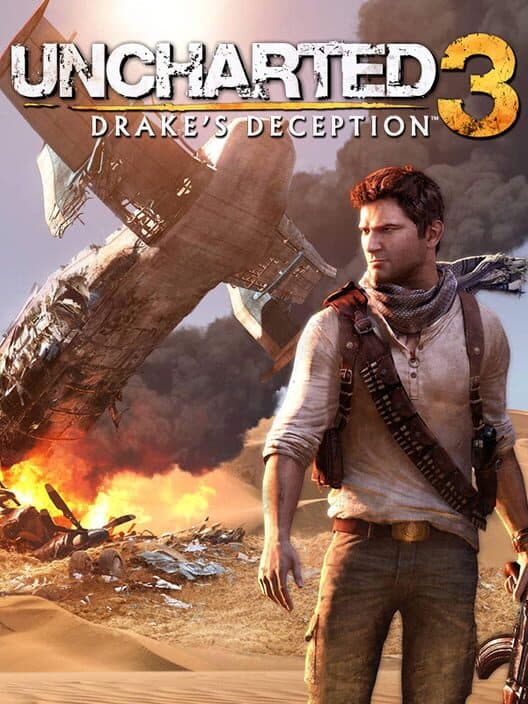
Uncharted 3 is worth playing today if you enjoy cinematic, story-driven action and don’t want a huge time commitment. It’s a slick, Indiana Jones–style adventure: lots of climbing, cover shooting, and big set pieces wrapped around likable characters and a pulpy mystery. For a busy adult, the main draw is how compact and focused it is. In around 8–12 hours, you’ll see the whole story, hit several memorable sequences, and be done without any grind, battle pass, or endless checklist. The game asks for decent attention during action scenes but almost no homework between sessions—no builds to plan, no online groups to schedule. In return, you get the feeling of playing through a high-budget action movie at your own pace. Buy at full price (or in a collection) if you value narrative, presentation, and a tight campaign. If you mainly want deep systems, open-world freedom, or long-term multiplayer, this is better as a sale pickup or nostalgic side trip.

Sony Computer Entertainment • 2011 • PlayStation 3
Uncharted 3 is worth playing today if you enjoy cinematic, story-driven action and don’t want a huge time commitment. It’s a slick, Indiana Jones–style adventure: lots of climbing, cover shooting, and big set pieces wrapped around likable characters and a pulpy mystery. For a busy adult, the main draw is how compact and focused it is. In around 8–12 hours, you’ll see the whole story, hit several memorable sequences, and be done without any grind, battle pass, or endless checklist. The game asks for decent attention during action scenes but almost no homework between sessions—no builds to plan, no online groups to schedule. In return, you get the feeling of playing through a high-budget action movie at your own pace. Buy at full price (or in a collection) if you value narrative, presentation, and a tight campaign. If you mainly want deep systems, open-world freedom, or long-term multiplayer, this is better as a sale pickup or nostalgic side trip.
When you have an hour after work and want something more active than TV, but less mentally taxing than strategy or MMOs, this delivers a satisfying self-contained chunk of adventure.
On a quiet weekend afternoon when you can stack two sessions back to back, it’s perfect for blasting through several chapters and really sinking into the cinematic flow.
When your gaming time is irregular and you might skip a week, its clear objectives and short runtime make it easy to return, make progress, and eventually see the credits.
A short, linear solo adventure you can comfortably finish in a few weeks of 60–90 minute sessions with forgiving saves and pauses.
From a time and scheduling point of view, Uncharted 3 is friendly to a busy adult. The main story takes roughly 8–12 hours, so at one or two sessions a week you can realistically finish it in a couple of weeks. The game is fully linear, which means you’re never juggling side quests or wondering what to do next. Chapters and big story moments act as natural “one more scene” markers, but you can also stop almost anywhere thanks to generous checkpoints and autosaves. Pausing works even in the middle of hectic fights or cutscenes, which helps if kids, pets, or messages interrupt you. Coming back after a gap is painless: controls are simple, objectives are clear, and a short recap online will refresh the plot if needed. There’s no pressure to grind, no daily timers, and no online groups to coordinate with—just a contained solo adventure you can carve into neat hour-long slices.
Mostly straightforward climbing and shooting with clear prompts, needing attention during action but letting you relax during traversal and frequent cutscenes.
Uncharted 3 doesn’t demand constant, razor-sharp concentration, but it does want you present while you’re actually playing. In a typical session, you’ll be climbing along obvious handholds, hiding behind cover, and trading shots with enemies. Those moments need your eyes on the screen and your hands on the controller, yet the game helps you a lot with generous aim assist, clear ledges to grab, and prompts for most interactions. Between fights and big chases, there are plenty of calmer stretches: walking through markets, listening to banter, or watching cutscenes that move the story forward. Those act like built-in breathers where your mind can relax a bit. You probably won’t be able to half-watch a show or scroll your phone during active play, but you can absolutely play this when you’re mentally tired from work. Think of it as watching an action movie that occasionally asks you to steer, not a brain-burning puzzle or complex strategy game.
Fast to learn with simple controls, and extra skill mainly makes the ride smoother rather than unlocking deep new layers.
Learning how to play Uncharted 3 is quick and gentle. Within the first hour or two, you’ll have tried shooting from cover, throwing grenades, punching enemies, and climbing along obvious ledges. The game teaches each action with on-screen prompts and then repeats those same tools in different locations, rather than layering on complicated systems. There are no skill trees, builds, or deep combos to memorize. That means you can set the difficulty to Normal, play a couple of evenings, and feel basically comfortable for the rest of the story. Improving still feels good, though. As you get used to the controls, you’ll line up headshots more easily, switch between weapons smoothly, and handle the busier arenas without dying as often. The payoff is a smoother, more cinematic flow rather than new abilities. If you enjoy deep practice and long-term mastery, this won’t scratch that itch, but it’s perfect if you just want to feel capable quickly and ride the adventure.
Delivers short bursts of adrenaline in big set pieces, balanced by long stretches of calmer exploration and lighthearted story moments.
Emotionally, Uncharted 3 feels like a rollercoaster with safety rails. Big action scenes can get your heart rate up: a bar brawl that turns into chaos, a mansion burning around you, or a cargo plane tearing apart mid-air. In those moments you’ll feel real tension and urgency, but the game undercuts that stress with quick retries and very little lasting punishment. Between the spikes, there’s a lot of laid-back climbing, gentle puzzles, and character banter that keeps the tone light and playful. The story deals with danger and betrayal, yet it never digs into the kind of heavy, draining themes you’d find in darker games. For a tired adult, that balance works well. You get excitement and a sense of danger, but you’re not left wrung out afterward. If horror games or punishing action titles leave you anxious, this sits in a much friendlier space: thrilling enough to feel alive, but relaxed enough for a weeknight.
Games with a similar rhythm and feel, even if they look different