Sony Computer Entertainment • 2009 • PlayStation 3
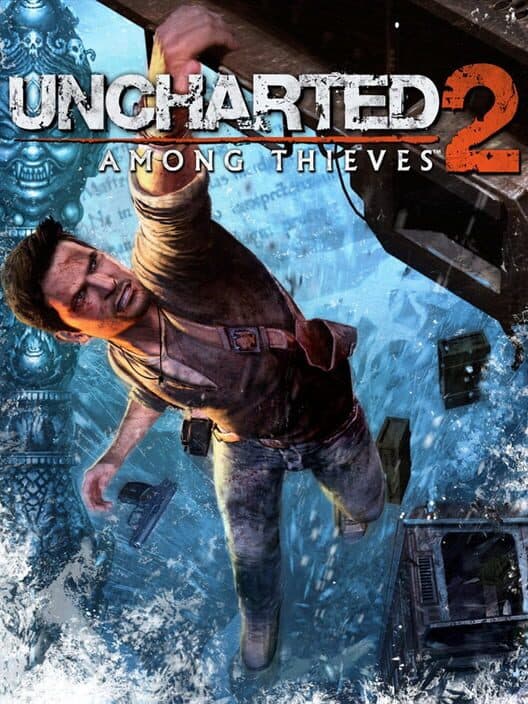
Yes, Uncharted 2 is still worth playing if you want a fast-moving treasure hunt with big payoffs and very little wasted time. Its best qualities are still easy to feel: the famous action scenes hit hard, the cast is charming, and the campaign keeps pushing you into new locations before anything wears out. Even now, a single evening usually gives you a memorable chapter rather than filler. What it asks from you is modest. You need a few nights across a week or two, steady attention during firefights, and some patience with older cover shooting that can feel stiff by modern standards. What it gives back is a polished, highly directed ride that is easy to follow and satisfying to finish. If you already have access to a PS3 and like story-led action with clear momentum, this is an easy recommendation. If you want open-ended freedom, deeper combat systems, or lots of replay value, wait or skip. If you would need to buy legacy hardware just for this one game, it is best as part of a broader nostalgia run or series catch-up.

Sony Computer Entertainment • 2009 • PlayStation 3
Yes, Uncharted 2 is still worth playing if you want a fast-moving treasure hunt with big payoffs and very little wasted time. Its best qualities are still easy to feel: the famous action scenes hit hard, the cast is charming, and the campaign keeps pushing you into new locations before anything wears out. Even now, a single evening usually gives you a memorable chapter rather than filler. What it asks from you is modest. You need a few nights across a week or two, steady attention during firefights, and some patience with older cover shooting that can feel stiff by modern standards. What it gives back is a polished, highly directed ride that is easy to follow and satisfying to finish. If you already have access to a PS3 and like story-led action with clear momentum, this is an easy recommendation. If you want open-ended freedom, deeper combat systems, or lots of replay value, wait or skip. If you would need to buy legacy hardware just for this one game, it is best as part of a broader nostalgia run or series catch-up.
Players still point to the train battle, collapsing ruins, and nonstop forward momentum as the reason this campaign stays vivid long after release.
A common complaint is sticky cover, long enemy waves, and firefights that lean on repetition, making later chapters feel less expressive than newer games.
For some, the tightly directed roller-coaster pacing is the whole appeal. Others see the same handholding as reducing freedom and replay value.
Nathan, Elena, Chloe, and Sully are often praised for easy chemistry and sharp banter that keep even straightforward climbing and shooting enjoyable.
Modern revisit threads still praise the voice work, animation, and spectacle, with many surprised by how polished the adventure feels for its era.
Players still point to the train battle, collapsing ruins, and nonstop forward momentum as the reason this campaign stays vivid long after release.
Nathan, Elena, Chloe, and Sully are often praised for easy chemistry and sharp banter that keep even straightforward climbing and shooting enjoyable.
Modern revisit threads still praise the voice work, animation, and spectacle, with many surprised by how polished the adventure feels for its era.
A common complaint is sticky cover, long enemy waves, and firefights that lean on repetition, making later chapters feel less expressive than newer games.
For some, the tightly directed roller-coaster pacing is the whole appeal. Others see the same handholding as reducing freedom and replay value.
A 10 to 12 hour story, clear chapter breaks, full pause, and easy re-entry make it schedule-friendly, even if checkpoint saves are not perfect.
This is one of the friendlier older big-budget campaigns for a busy schedule. The whole story usually wraps in about 10 to 12 hours, and the game constantly creates clean stopping points through chapters, cutscenes, and dense checkpoint clusters. A single 60 to 90 minute session often feels complete because you will likely finish a chapter, reach a major set piece, or land on a memorable story beat. It is also easy to pause for real life. Short interruptions are no problem, and returning after a few days is simple because the controls are familiar and the next goal is almost always obvious right away. The only real scheduling catch is the save system. You cannot make a manual save anywhere, so quitting in the middle of a long firefight may send you back a few minutes. Even so, it is far more flexible than older games with sparse checkpoints or long mission commitments. It asks for regular attention in medium-length chunks, then pays you back with fast progress, clear momentum, and a satisfying sense that every night of play moved the story forward.
Clear routes and simple cover-shooter choices keep things readable, but firefights, grenade dodges, and big scripted escapes still need your eyes on the screen.
Uncharted 2 asks for steady attention, not deep brain-burn. Most of the time you're reading obvious routes, taking simple cover, watching grenade warnings, and deciding whether to hold position or push to a better weapon. The big set pieces look chaotic, but they are usually readable and heavily guided, so the pressure comes from staying alert rather than from solving complex problems on the fly. That balance is why the game works well after a long day. You do need your eyes on the screen during firefights, collapsing buildings, and chase scenes, because a few seconds of drifting can get you killed. But between those spikes, climbing sections, banter, and short puzzles give you breathing room. It asks for short bursts of focus and basic shooter awareness, then pays you back with momentum, spectacle, and a strong sense that you're always moving somewhere exciting. If you can give it your full attention in combat and relax in the quieter stretches, it stays engaging without becoming mentally draining.
You can feel comfortable within a couple of chapters; the real hurdle is adjusting to older cover shooting, not learning lots of complex systems.
Uncharted 2 is easy to learn and only moderately hard to finish on Normal. You'll understand the basics quickly: take cover, pop out to shoot, toss grenades, climb the highlighted path, and solve the occasional simple room puzzle. There isn't much systems homework here. No build planning, no deep upgrade web, and almost no need to study menus or hidden rules. The main adjustment is age, not complexity. The shooting and cover handling can feel a little stickier than newer games, and some later firefights run long enough to test your patience. But the game usually teaches through repetition, clear level design, and nearby checkpoints. It asks you to get comfortable with its rhythm, then rewards you with a smooth sense of competence fairly early. Most players will feel settled within the first couple of chapters. Mastery matters far less than staying calm, using cover well, and not overextending. If you have played any third-person action game before, this is approachable. If you are brand new to aiming under pressure, expect a few rough patches, not a brick wall.
Explosions, chases, and collapsing set pieces create regular adrenaline spikes, but fast retries and a playful tone stop most failures from feeling punishing.
This is exciting more than exhausting. Uncharted 2 loves sudden chases, collapsing scenery, and firefights that make you move fast, so your pulse will jump in bursts. Still, it rarely becomes oppressive. The tone stays playful, the checkpoints are generous, and most deaths feel like a quick do-over instead of a real punishment. That makes the pressure mostly the fun kind. You're meant to feel like things are barely under control, even though the game usually catches you before frustration turns into dread. Compared with horror games or punishing action games, the stress level is much lighter. Compared with a relaxed story game, it is definitely louder and more urgent. It asks you to ride waves of short-term chaos, then rewards you with relief, banter, and the next big payoff. If you like a lively evening game that can still be finished without feeling wrung out, it lands in a sweet spot. If you want something truly calm, though, the constant explosions and enemy ambushes may still feel a little busy.
Games with a similar rhythm and feel, even if they look different