hello@slated.gg
Powered by IGDB•Privacy•Terms

© 2026 Slated.gg

Slated.gg
Popular GamesAboutDiscover Games
Trine 6: Together in Time

Cooldown Games • 2026 • Xbox Series X|S, Nintendo Switch 2, PC (Microsoft Windows), PlayStation 5, Nintendo Switch
Satisfying to completeRelaxing & low-pressureGreat for winding down
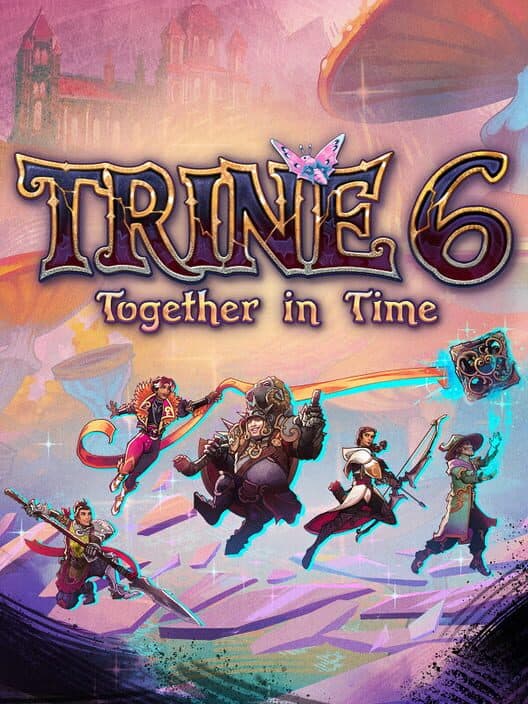
Trine 6: Together in Time cover art

Trine 6: Together in Time

Cooldown Games • 2026 • Xbox Series X|S, Nintendo Switch 2, PC (Microsoft Windows), PlayStation 5, Nintendo Switch

Satisfying to completeRelaxing & low-pressureGreat for winding down

Is Trine 6: Together in Time Worth It?

Trine 6 looks worth it if you want a colorful, finite co-op adventure and don’t need deep progression or nonstop action. The big appeal is the mix: puzzle rooms that ask you to combine hero abilities, platforming that keeps you moving, and enough secrets to make each level feel rewarding without turning the game into a second job. For a lot of people, that’s a great sweet spot. The caution is simple: this is still a pre-release call, not a post-launch verdict. Early impressions suggest combat may take more space than some Trine fans want, and the demo raised controller and performance questions that could matter on day one. If you already love Trine, couch co-op, or Portal-style teamwork, buying at full price could make sense once reviews confirm stability and good solo balance. If you mostly want calm puzzles or you’re sensitive to launch roughness, waiting for reviews or a sale is the smarter move. Skip it if you dislike platforming, timed teamwork, or any combat mixed into your puzzle game.

What is Trine 6: Together in Time like?

Opinions of Trine 6: Together in Time

What Players Love

  • Players Love

    Classic Trine charm still makes co-op nights appealing

    Early reactions show strong goodwill toward the familiar fairy-tale style and 1-4 player teamwork, with many fans excited simply to have another shared adventure.

  • Players Love

    New heroes and time-slow help the formula feel fresh

    Players like seeing concrete new ideas instead of just more levels. The added heroes and Time-Slow ability suggest new puzzle setups and better control in tricky moments.

Common Concerns

  • Common Concern

    More combat than puzzles worries longtime series fans

    The most common concern is that fights and bosses may take too much space in a series many players love most for relaxed puzzle-platforming and playful teamwork.

  • Common Concern

    Demo roughness raised controller feel and performance concerns

    Early demo feedback mentions controller quirks, jump feel, ultrawide questions, and optimization worries. Many players want launch reviews to confirm a smoother build.

Divisive Aspects

  • Divisive

    Co-op first design excites groups but worries solo players

    Playing with friends is a big selling point, but some players are unsure whether a campaign built around teamwork will feel equally smooth and satisfying alone.

What does Trine 6: Together in Time demand from you?

Time

LOW

Time

This looks built for weeknights: clear level endings, a finite campaign, and easy short-term goals. The main catch is checkpoint saving and weaker pause freedom online.

LOW

This seems built for people who want a real adventure without adopting a second job. The campaign looks finite, level-based, and easy to break into 60 to 90 minute chunks, with clear endings that make it natural to stop after one more stage. A normal playthrough should likely fit inside a couple of weeks or a few weekends, not a season-long grind. In exchange for that tidy structure, you get a steady sense of forward motion: finish a level, grab a few secrets, unlock a skill, move on. The time caveat is flexibility inside a session. Everything points to checkpoint-style saving rather than full save-anywhere freedom, which is fine for planned evenings but less ideal for sudden interruptions. That becomes more noticeable in online co-op, where pausing is never as clean as solo play. Coming back after a week should be manageable because the path forward seems obvious, though you may need a few minutes to remember hero tools and recent upgrades.

Tips
  • Plan sessions around finishing a level, not just starting one; the chapter boundaries look like the cleanest stopping points.
  • After a week away, skim unlocked skills and do one easier room before tackling a boss or secret-heavy stage.
  • If your evenings are interruption-prone, solo or local co-op will likely fit better than online play.

Focus

MODERATE

Focus

You’ll spend most sessions reading rooms, swapping abilities, and timing jumps. It’s thoughtful more than twitchy, but platforming and combat still want your full eyes.

MODERATE

Based on the demo and past Trine games, this asks for steady attention but not white-knuckle tunnel vision. Most of your time seems spent reading a room, spotting a usable surface or switch, deciding which hero solves the problem fastest, then executing with decent timing. That means your brain stays on, but not in the same way as a hard strategy game or a fast shooter. The thinking is practical and spatial: where do I place this object, who should move first, when should we slow time, and how do we cross safely? The reward for that attention is a satisfying rhythm of little “aha” moments followed by clean movement. You can’t really play this while half-watching TV. Platforming, hazards, and combat want your eyes on the screen, especially in co-op when another person is counting on you. Still, the pace looks more forgiving than a relentless action game. Puzzle rooms should create short breathing spaces where you can think, talk, and reset before the next precise stretch.

Tips
  • Use one hero as your mental anchor, then swap only when the room clearly asks for a different tool.
  • In co-op, call out who handles movement, object setup, and Time-Slow before retrying a tricky puzzle or boss phase.
  • If a room feels cluttered, ignore hidden paths for a minute and solve the main route first.

Challenge

MODERATE

Challenge

Getting comfortable should take a few hours, not a few weekends. The trick is learning five hero tools and when the game wants experimentation versus clean execution.

MODERATE

Getting comfortable here should take a few hours, not a giant training investment. The main task is learning what each hero is good at, how their tools combine, and when the new Time-Slow ability helps more than brute-force retrying. That is a richer setup than a simple platformer, but it still looks far more readable than a systems-heavy strategy game or a competitive online game. The payoff for that learning is variety. As your group starts spotting solutions faster, levels should feel clever rather than confusing. The learning curve seems friendlier than it first sounds because the rules are concrete. You are dealing with boxes, ropes, platforms, hazards, enemy tells, and obvious room layouts, not hidden math. Experimentation matters, but this does not look like a wiki game. The biggest unknown is polish. Because the full release is not out yet, final combat readability, controller feel, and boss tuning could still shift how approachable the game really feels.

Tips
  • Spend the early levels testing every hero tool on obvious objects so later puzzles feel familiar instead of overwhelming.
  • Don’t chase every hidden collectible on your first pass if a level starts dragging; the campaign should still feel complete without full cleanup.
  • Use Time-Slow proactively on jumps and hazard rooms instead of saving it only for emergencies.

Intensity

LOW

Intensity

The mood stays colorful and friendly, with pressure coming from mistimed jumps, boss phases, and co-op coordination more than harsh punishment or scary stakes.

LOW

This looks more lively than stressful. The fantasy world is bright, playful, and safe for shared-room play, so the pressure mostly comes from immediate problems: a tricky jump, an enemy wave, a boss attack pattern, or the moment your team needs to sync actions. In return, you get that fun low-stakes buzz of figuring something out together and squeezing through a set piece at the last second. It seems designed to create short bursts of pressure, not the heavy dread of horror or the punishing tension of hard-action games. That balance matters. Missing a jump or flubbing a fight appears to send you back to a nearby retry point rather than deleting real progress, which should keep frustration from snowballing. The main caution is combat. Early discussion around the demo suggests some people already worry that battles may take more space than they want from a puzzle-platformer. If launch tuning leans too aggressive, the game could feel more demanding than its storybook look suggests.

Tips
  • Treat wipes as routing info, not failure; nearby retry points should make experimentation cheaper than forcing a perfect first attempt.
  • If combat starts feeling louder than the puzzles, lower difficulty or take a short break before another boss try.
  • Play with voice chat or couch co-op when possible; clear communication removes a surprising amount of avoidable pressure.

Frequently Asked Questions

Trine 6 looks medium difficulty, closer to It Takes Two with trickier platforming than to Celeste or a Soulslike. The hard part does not seem to be brutal punishment. It’s more about juggling five hero abilities, reading physics puzzles, and keeping your timing clean during jumps, enemy waves, and boss phases. In co-op, the challenge shifts a bit from pure execution to communication. In solo, the same rooms may feel busier because you are mentally handling the whole toolkit yourself. It does not seem hard to learn in the scary sense. Most players should understand the basics within the first few hours if the full game teaches as clearly as past Trine games. Mastery is a different story. Clean runs, secret hunting, and faster co-op solving will take longer. If you enjoy older Trine games, It Takes Two, or Zelda-style action puzzles, this should feel manageable. If you want pure relaxing puzzling with almost no combat or timing pressure, some sections may feel tougher than expected.

Expect roughly 10 to 15 hours for a normal first playthrough, with 15 to 20+ hours if you chase many secrets or replay levels with different co-op groups. That is still an estimate because the full game is not out yet, but the structure looks much closer to Trine 5 than to a huge open-ended timesink. The good news is that it seems easy to pace. Levels appear handcrafted and discrete, so 60 to 90 minutes should be enough for a satisfying session with a clear stopping point. That matters more than raw length if you only play a few nights a week. The main wrinkle is saving: current information points to checkpoint-style progress rather than full save-anywhere freedom. That should work fine for planned sessions, but it is less flexible if you need to stop in the middle of a tricky room or online co-op run. For most people, this looks like a tidy two-week or three-week campaign.

Trine 6 looks mildly stressful in a good way, not exhausting. Most of the time the mood seems bright, playful, and inviting, so the pressure comes from solving the room, landing the jump, or getting through a boss phase with your group. Failure appears to mean retrying a checkpoint, not losing hours of progress, which keeps the stakes low even when a section gets tricky. That said, there are two kinds of pressure to watch for. First, platforming and combat can create short bursts of frustration if controls feel slippery or if you keep missing a timing window. Second, co-op adds social pressure. When a puzzle needs synced actions, you may feel more tension about holding the team up than about the game itself. Compared with horror games or competitive shooters, this should be much calmer. Compared with a cozy builder or pure logic puzzle, it will feel more active and demanding. It looks best for evenings when you want something upbeat and engaging, but maybe not when you are already drained.

Yes, Trine 6 looks very playable solo, but it will probably be best with at least one other person. Official materials say every puzzle is designed to work alone as well as in 2-4 player co-op, and the series has a strong history of letting one player swap between heroes to solve rooms. If that carries over cleanly, a solo run should be a real way to play, not just an emergency fallback. The tradeoff is feel, not completion. Solo play usually asks more from you because you are managing the whole toolkit yourself instead of splitting roles with friends. That can make puzzle solving a little busier, while co-op turns some of that load into communication and shared laughter. The bigger unknown is whether the co-op-first design makes certain rooms or fights less elegant alone. Early community discussion suggests that is the main thing to watch in reviews. So yes, solo should be viable, but if single-player is your main reason to buy, it is smart to wait for launch impressions.

No. Everything currently points to a standard one-time purchase with no pay-to-win systems. Store pages list Trine 6 as a premium release, and there is no public sign of booster packs, battle passes, cash-gated power, or competitive ranking systems that could even create a pay-to-win problem. That matters because the whole structure appears handcrafted and self-contained. You are moving through a finite campaign, unlocking skills through normal play, and finding secrets that strengthen heroes inside the game itself. In other words, progress seems tied to playing and exploring, not spending extra money. The only caveat is the obvious pre-release one: monetization can change before launch, and cosmetic DLC could always appear later. Even so, based on every official storefront and publisher description available now, there is no reason to expect pay-to-win elements. If you avoid games with aggressive monetization, Trine 6 currently looks like a very safe bet on that front.

You Might Also Like

Games with a similar rhythm and feel, even if they look different
Explore more→
It Takes Two game cover art
Satisfying to completeRelaxing & low-pressure

It Takes Two

Time
LOW
Focus
MODERATE
Challenge
LOW
Intensity
LOW
Split Fiction game cover art
Satisfying to completeCouch co-op

Split Fiction

Time
LOW
Focus
MODERATE
Challenge
MODERATE
Intensity
MODERATE
Portal 2 game cover art
Satisfying to completeRelaxing & low-pressure

Portal 2

Time
LOW
Focus
MODERATE
Challenge
MODERATE
Intensity
LOW
Hela: Of Mice & Magic game cover art
Relaxing & low-pressureGreat for winding down

Hela: Of Mice & Magic

Time
LOW
Focus
MODERATE
Challenge
LOW
Intensity
VERY LOW
Kirby and the Forgotten Land game cover art
Satisfying to completeRelaxing & low-pressure

Kirby and the Forgotten Land

Time
LOW
Focus
LOW
Challenge
LOW
Intensity
LOW
Revenge of the Savage Planet game cover art
Satisfying to completeGreat for winding down

Revenge of the Savage Planet

Time
MODERATE
Focus
MODERATE
Challenge
LOW
Intensity
LOW
← Back to Home