Nintendo • 2022 • Nintendo Switch
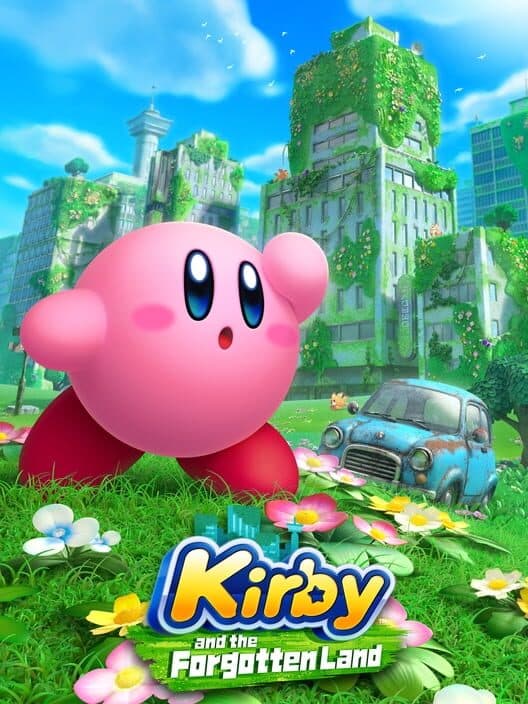
Kirby and the Forgotten Land
Nintendo • 2022 • Nintendo Switch
Is Kirby and the Forgotten Land Worth It?
Kirby and the Forgotten Land is absolutely worth it if you want a cheerful, polished adventure that respects your time. Its biggest strength is how easy it is to enjoy in short bursts. Stages are compact, rewards come fast, and Waddle Dee Town gives every session a satisfying sense of growth. Mouthful Mode and upgraded copy abilities keep things playful without burying you in complicated systems. What it asks from you is pretty modest. You need steady attention for jumps, simple combat, and secret hunting, but not the kind of intense focus or long practice that harder platformers demand. The main tradeoff is difficulty and size. If you want a long, brutal test, this may feel too gentle and a little brief. Buy at full price if you love Nintendo-style polish, charming exploration, or want something solo-friendly that can also work in local co-op. Wait for a sale if you mainly want a tougher challenge. Skip it if you need deep complexity, open-ended freedom, or a massive campaign.
What is Kirby and the Forgotten Land like?
Opinions of Kirby and the Forgotten Land
What Players Love
- Players Love
The move to full 3D feels natural and polished
Players regularly say Kirby's shift into full 3D works right away, with readable levels, smooth controls, and very little of the awkwardness they feared.
- Players Love
Mouthful Mode and ability upgrades keep stages surprising
Funny transformations and evolved copy abilities keep new worlds from blending together, adding fresh jokes, combat tools, and puzzle twists without extra complexity.
- Players Love
Hidden goals and town growth reward short play sessions
Rescuing Waddle Dees, opening new buildings, and clearing quick challenge stages give even 20-minute sessions a clear sense of progress and payoff.
Common Concerns
- Common Concern
Camera and co-op limits can hurt precise moments
A recurring concern is occasional lock-on or camera awkwardness in busier fights, plus a second-player role that feels more supportive than equal.
Divisive Aspects
- Divisive
Its gentle challenge feels refreshing or a little thin
Some players love that the adventure stays approachable and finishable, while others wish Wild Mode pushed harder or lasted longer before the credits.
What does Kirby and the Forgotten Land demand from you?
Time
LOWTime
Short stages, clear goals, and easy re-entry make it one of the friendlier adventures to fit around a busy week.
Focus
LOWFocus
Most of the time you're scanning bright stages, reading simple enemy cues, and checking side paths, not juggling complex systems or split-second precision.
Challenge
LOWChallenge
You'll learn the basics fast, then spend the rest of the game refining jumps, dodges, and favorite abilities rather than wrestling with confusing systems.
Intensity
LOWIntensity
Pressure stays light and cheerful, with brief boss spikes that wake you up without turning the whole night into a tense grind.
Frequently Asked Questions
You Might Also Like
Games with a similar rhythm and feel, even if they look different