hello@slated.gg
Powered by IGDB•Privacy•Terms

© 2026 Slated.gg

Slated.gg
Popular GamesAboutDiscover Games
Trainwatch

Harvester Games • 2027 • PC (Microsoft Windows)
Satisfying to completePerfect for a weekendStory-driven
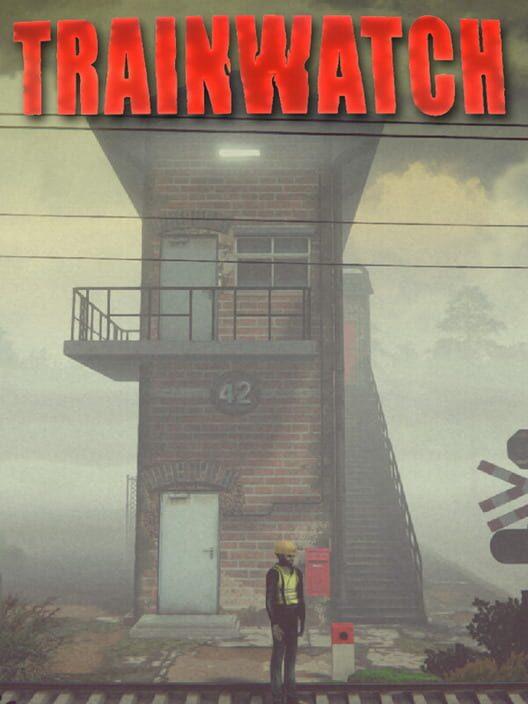
Trainwatch cover art

Trainwatch

Harvester Games • 2027 • PC (Microsoft Windows)

Satisfying to completePerfect for a weekendStory-driven

Is Trainwatch Worth It?

Based on previews, Trainwatch looks worth it if you want a compact, moody game that turns ordinary routine into pressure. Its biggest hook is the mix: rail-crossing duties, basic self-care, and a personal story about sobriety and trust all feed the same slow-burn dread. For the right player, that sounds fresh and memorable. What it asks from you is not fast reflexes or a huge time sink. It asks for steady attention, comfort with meters and chores, and willingness to sit in an uneasy atmosphere. If you like games such as Papers, Please or This War of Mine more for their emotional weight than their difficulty, Trainwatch seems aimed right at you. At full price, it looks like a good bet for players already sold on that premise. If you are curious but unsure about the needs-management layer, waiting for launch reviews or a sale is smarter, especially because the game is still unreleased. Skip it if grim themes, routine upkeep, or slow-building dread sound more tiring than intriguing.

What is Trainwatch like?

Opinions of Trainwatch

What Players Love

  • Players Love

    The lonely crossing atmosphere hooks people right away

    Preview impressions keep praising how fog, isolation, and retro horror style make simple rail duties feel tense and memorable almost from the opening minutes.

  • Players Love

    The extra systems make the routine more interesting

    Time management, needs, skills, and inventory add weight between story moments, and many early reactions see that added structure as a big plus overall.

Common Concerns

  • Common Concern

    The full game's pacing and payoff remain unproven

    Because there are no launch reviews yet, enthusiasm comes with caution. Early buzz is strong, but nobody can confirm how well the month-long buildup lands.

Divisive Aspects

  • Divisive

    Chore-heavy survival details may feel immersive or fiddly

    Eating, washing, resting, and managing sobriety help sell Troy's daily life, but some players worry this upkeep could turn from absorbing to annoying.

What does Trainwatch demand from you?

Time

LOW

Time

This looks like a compact one-run project with strong stopping points, but auto-save uncertainty and the ongoing story may make long breaks clumsier than the playtime suggests.

LOW

This looks like a compact, story-sized commitment rather than a lifestyle game. One full run through the month should probably land somewhere around a week or two of evening play, and the day-based structure gives you better stopping points than most slow-burn mysteries. Fixed duties, nightly calls, and a clear overall frame help sessions feel purposeful, so you are rarely wondering what to do next. That is the good news for a busy schedule. The caveat is that the game may not be as drop-anywhere flexible as its length suggests. Auto-save-only design can make quitting feel awkward if you stop at the wrong moment, and coming back after a longer break may require a quick mental reset to remember Troy's state and your loose threads. It is also fully solo, which helps a lot. No group schedules, no online pressure, no fear of falling behind friends. In return for asking for regular attention, it seems to offer a tidy but memorable run with enough branching to tempt one more try later.

Tips
  • Aim for 45 to 90 minute sessions so you can cover a full evening stretch and stop near a natural daily boundary.
  • Before quitting, finish the next train duty or nightly call if possible; auto-save-only systems feel better when you leave after something resolves.
  • If you step away for a week, skim your objectives and reacquaint yourself with Troy's current needs before heading back into the fog.

Focus

MODERATE

Focus

Most moments ask for steady planning, not fast hands. You're watching clocks, needs, and opportunities, with enough quiet space that the pressure can sneak up on you.

MODERATE

Trainwatch looks like it asks for steady, practical attention rather than lightning reflexes. Most of your brain space seems to go toward reading the day: when the next train is due, whether Troy can afford to rest, eat, or wander, and which strange lead is worth spending precious minutes on. The basic actions are simple, but the value comes from how often simple choices carry weight. That means you probably cannot treat it like a second-screen game, especially once the phone rings or you head into the fog. Still, it also doesn't seem exhausting every second. There should be quiet stretches where you brew coffee, recover, and think ahead, which gives the experience room to breathe. In return for that steady attention, the game seems to deliver a great slow-burn feeling of responsibility. You are not mastering combos or solving giant brainteasers. You are keeping a fragile routine intact while deciding when to break it, and that looks like the heart of its appeal.

Tips
  • Check the timetable before you wander; treating train windows like appointments should prevent most avoidable mistakes.
  • Use quiet stretches to top up food, rest, and coffee so you are not making desperate choices when a call comes in.
  • If a lead seems tempting, pause and ask what you will sacrifice before chasing it.

Challenge

MODERATE

Challenge

Easy inputs, trickier judgment. You'll learn the job quickly, then spend the rest of the month learning how much risk and curiosity the game will tolerate.

MODERATE

Trainwatch does not look hard to control, but it may be tricky to read well. Closing gates, answering calls, and handling basic needs should be easy to understand early. The real learning curve seems to come from judgment. How long can you stay outside? Which needs can wait? When is a lead important enough to justify the risk? That kind of learning usually feels fairer than action-heavy difficulty, but it can still punish greed or careless planning. Early mistakes are likely to teach you more about pacing than about button skill. That makes the barrier to entry pretty friendly, especially for people who dislike fast combat. It also means the game may frustrate players who want perfect clarity or who hate losing progress to a bad call. In exchange, it seems poised to deliver a satisfying sense of growing competence. By the end of a run, you should know the rhythms of the crossing well enough to bend them, even if the story still keeps you off balance.

Tips
  • Treat the first few days as scouting runs; learn the rhythm before you start squeezing every free minute for exploration.
  • Write down recurring times, clues, and visitor patterns if you play in short bursts across several days.
  • Don't chase perfect efficiency; the game seems built around uncomfortable tradeoffs, not flawless runs.

Intensity

MODERATE

Intensity

The pressure is more dread than brutality. Ordinary chores, missed calls, and trips into the fog turn small mistakes into a steady knot in your stomach.

MODERATE

The emotional load looks high even if the mechanical difficulty ends up moderate. This seems built on dread, obligation, and the fear of letting small failures snowball, not on constant jump scares or punishing combat. Missing a task, wasting time, or pushing Troy too hard appears likely to feel bad because it connects to sobriety, trust, and mental stability, not just to a number going down. That can create a strong knot-in-your-stomach effect during normal play. The upside is that the pressure also seems meaningful. Ordinary chores, nightly calls, and train duties are not there just to slow you down; they are what make the mystery and horror feel personal. For players who like tension with emotional stakes, that trade feels rich. For players who want a calm night or a clean power fantasy, it could feel draining. Expect unease more than panic, and consequence more than cruelty. The game looks most rewarding when you want to sit with mood, make uneasy choices, and feel the cost of holding a shaky life together.

Tips
  • Play when you actually want a moody, uneasy evening; this looks better suited to deliberate play than background relaxation.
  • Keep Troy stable before exploring, because preventable need spirals are likely to create the bad kind of stress.
  • Take breaks between in-game days if the relapse themes or atmosphere start feeling heavy.

Frequently Asked Questions

Trainwatch looks medium overall. It does not seem hard in the action-game sense, because nothing shown suggests demanding combat or tight reflex tests. The harder part is staying organized when the timetable, Troy's hunger, fatigue, sanity, and story choices all start competing for the same limited minutes. Think more Papers, Please or a lighter This War of Mine than Resident Evil or Dark Souls. You are likely learning judgment, not execution. Basic competence should come within the first few hours, since the core job is simple. The challenge is reading the rhythm of the day and knowing when curiosity will cost too much. That means the game may feel harder to players who dislike timers, chores, or background pressure, and easier to players who enjoy planning under stress. It also looks more punishing emotionally than mechanically. A bad decision may leave you uneasy or behind, even if it does not trigger a game over. Because the game is still unreleased, exact balance could move, but right now it looks like a thoughtful medium challenge, not a brutal one.

Expect roughly 10 to 14 hours for a normal first run, with the current public estimate stretching from about 8 to 18 hours depending on how much you explore and how many detours you take. A more thorough run, or a second run for different choices and endings, could push that closer to 18 to 25 hours total. The structure looks friendly to weeknight play. A good session seems to be about 45 to 90 minutes, enough time to cover a meaningful stretch of Troy's shift and stop near a natural daily beat. The game's one-month frame also helps because you are working toward a clear ending, not an endless checklist. The one thing to watch is save behavior. Public info currently points to auto-save only, which may make quit timing slightly fussier than the total length suggests. So Trainwatch seems short enough to finish without turning into a project, but organized enough that you'll want a little runway when you sit down.

Yes, Trainwatch looks stressful, but in a slow-burn way rather than a loud, frantic one. The pressure seems to come from obligation, isolation, relapse themes, and the fear of wasting time or letting Troy unravel. Even simple tasks like eating, resting, or taking a walk may feel tense because another call or consequence is always somewhere nearby. For some players, that is the good kind of stress. It can make ordinary routine feel meaningful, and it gives the story real emotional weight. If you enjoy games that create anxiety on purpose, the mood here could be a huge part of the appeal. For others, it may be the bad kind: chores stacked with meters, bleak themes, and the sense that you can never fully relax. This looks best played when you want atmosphere and focus, not when you are already tired or looking to unwind. Think uneasy and absorbing rather than chaotic and exhausting. Because it seems more psychologically heavy than mechanically punishing, your mood going in will matter a lot.

Yes. Trainwatch is built for solo play, and that helps a lot if you prefer games you can tackle on your own schedule. There are no party requirements, online chores, or pressure to keep up with other people. Based on current info, it is fully playable offline and supports full pause, which makes surprise interruptions much easier to manage than in a multiplayer or always-online game. The bigger question is whether it feels casual. In short, yes with caveats. Sessions look manageable at around 45 to 90 minutes, and the daily structure should give you decent stopping points. But this does not seem like a brain-off comfort game. The atmosphere is grim, and the ongoing state of Troy's needs and unresolved story threads may make long breaks a little awkward. Auto-save-only progress could also make quitting mid-moment less tidy than ideal. So if by casual you mean solo, flexible, and finishable in a few weeks, Trainwatch should fit. If you mean relaxing, low-pressure, and easy to forget between sessions, probably not.

No. Everything public points to Trainwatch being a straightforward one-time purchase. Store pages describe a single-player premium release, and there is no sign of paid boosters, premium currency, battle passes, loot boxes, or competitive systems where spending money could give anyone an advantage. That matters even more here because the whole appeal is mood and decision-making. A game like this would lose a lot if it tried to sell shortcuts around tension or resource pressure, and nothing in the current material suggests that kind of design. Since there is also no PvP or online economy, the usual pay-to-win worries barely apply in the first place. The only caveat is that the game is still unreleased, so final store policies should always be rechecked at launch. But based on every official listing available now, this looks clean: buy it once, play the whole thing, and your outcome depends on your choices rather than your wallet.

You Might Also Like

Games with a similar rhythm and feel, even if they look different
Explore more→
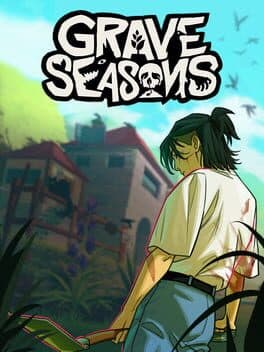
Grave Seasons game cover art
Satisfying to completePerfect for a weekend

Grave Seasons

Time
MODERATE
Focus
MODERATE
Challenge
MODERATE
Intensity
LOW
1666: Amsterdam game cover art
Perfect for a weekendStory-driven

1666: Amsterdam

Time
LOW
Focus
MODERATE
Challenge
MODERATE
Intensity
MODERATE
Impermanence game cover art
Story-driven

Impermanence

Time
LOW
Focus
MODERATE
Challenge
LOW
Intensity
MODERATE
Alan Wake II game cover art
Satisfying to completeStory-driven

Alan Wake II

Time
MODERATE
Focus
MODERATE
Challenge
MODERATE
Intensity
HIGH
Penguin Colony game cover art
Story-driven

Penguin Colony

Time
LOW
Focus
MODERATE
Challenge
LOW
Intensity
MODERATE
Soma game cover art
Satisfying to completePerfect for a weekend

Soma

Time
LOW
Focus
MODERATE
Challenge
LOW
Intensity
MODERATE
← Back to Home