Blumhouse Games • 2026 • PC (Microsoft Windows), PlayStation 5, Nintendo Switch, Xbox Series X|S
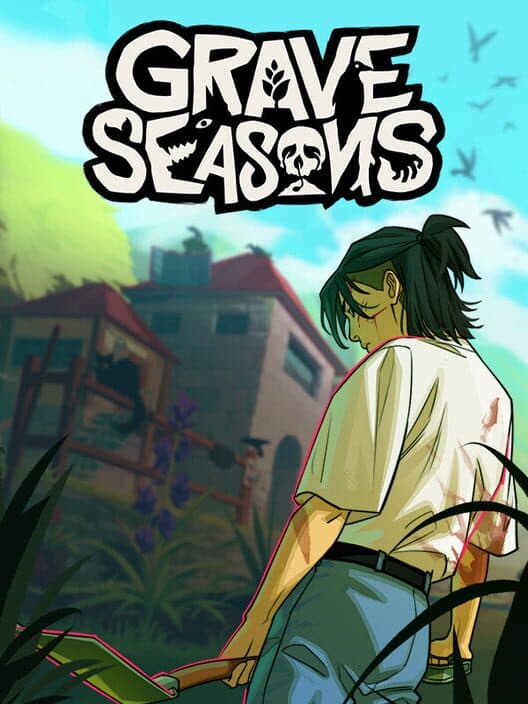
Based on current previews, Grave Seasons looks worth it if you want a farming game with a real ending and a darker hook than the usual comfort loop. Its best idea is the contrast. You spend time planting crops, fishing, cooking, and getting close to townsfolk, but every friendship can feed into a murder mystery that changes across runs. That gives everyday chores more meaning than they usually have in this kind of game. The main ask is mood and attention. This does not look like a pure unwind game, and it may be heavier than the cute art first suggests. It also asks you to remember people, clues, and long-term plans across a full in-game year. Buy at launch if that mix sounds tailor-made for you and you're comfortable with some pre-release uncertainty. Wait for reviews or a sale if story variety and text readability are big concerns. Skip it if you want low-stress comfort or family-room-safe screen time.

Blumhouse Games • 2026 • PC (Microsoft Windows), PlayStation 5, Nintendo Switch, Xbox Series X|S
Based on current previews, Grave Seasons looks worth it if you want a farming game with a real ending and a darker hook than the usual comfort loop. Its best idea is the contrast. You spend time planting crops, fishing, cooking, and getting close to townsfolk, but every friendship can feed into a murder mystery that changes across runs. That gives everyday chores more meaning than they usually have in this kind of game. The main ask is mood and attention. This does not look like a pure unwind game, and it may be heavier than the cute art first suggests. It also asks you to remember people, clues, and long-term plans across a full in-game year. Buy at launch if that mix sounds tailor-made for you and you're comfortable with some pre-release uncertainty. Wait for reviews or a sale if story variety and text readability are big concerns. Skip it if you want low-stress comfort or family-room-safe screen time.
Early discussion keeps circling back to the same appeal: familiar crop-growing and romance wrapped around a darker mystery that feels unusual instead of gimmicky.
The main worry is depth. If clue chains and major beats repeat too closely between playthroughs, the random setup could feel thinner than the pitch suggests.
Some people love the haunted-romance look, while others worry the portraits, font, and interface may be harder to read on handheld screens or from a couch.
Preview coverage and fan chatter both point to rerolled killers, alternate victims, and relationship routes as the reason many expect strong second and third runs.
Early discussion keeps circling back to the same appeal: familiar crop-growing and romance wrapped around a darker mystery that feels unusual instead of gimmicky.
Preview coverage and fan chatter both point to rerolled killers, alternate victims, and relationship routes as the reason many expect strong second and third runs.
The main worry is depth. If clue chains and major beats repeat too closely between playthroughs, the random setup could feel thinner than the pitch suggests.
Some people love the haunted-romance look, while others worry the portraits, font, and interface may be harder to read on handheld screens or from a couch.
The one-year structure makes it feel finishable, with natural day-end stopping points, though coming back after a break may mean rebuilding your suspect board.
The best promise here is that it seems finishable. Current previews point to one full year and one real ending as the natural stopping point, which puts the first satisfying run around 18 to 35 hours instead of hundreds. That is long enough to sink into the town, but short enough to picture actually finishing. The day-based structure also looks friendly to weeknight play. You can likely knock out farm chores, one or two social goals, and a bit of investigation in about an hour. The biggest unknown is saving. Pause support looks likely, but exact save rules still seem tied to resting or day boundaries, so some nights may ask for a cleaner stopping point than others. Returning after a break may also take a few minutes because this is a people-and-clues game, not a pure pick-up-and-play toy. Still, the solo setup and built-in day cycle make it look much more schedule-friendly than most branching story games of similar scope.
Simple chores stay easy to read, but the mystery makes every conversation and detour matter, so you need steady attention more than fast hands.
Most of what you do looks easy to read on its own. Harvest crops, water plants, cook, fish, talk to neighbors, drop items into storage. What raises the mental load is that almost every simple action seems tied to a bigger question about trust, timing, and consequences. A visit to town is not just a visit to town if you are also watching for strange behavior or trying to protect someone before the next murder. That means the game asks for steady attention more than fast reactions. You probably will not be white-knuckling the controller, but you will want to remember clues, unfinished errands, and who you meant to see before the day ends. The reward for staying mentally present is a town that feels charged with meaning instead of routine. If you like cozy loops with a real thread pulling you forward, this mix could feel great. If you mainly want background play while watching TV, it looks more demanding than the art first suggests.
You can learn the basics quickly, but understanding how relationships, clues, and seasonal choices ripple through a full run takes longer.
It looks easier to start than to fully understand. The basic chores should be approachable if you have ever touched a farming or life sim before. Planting, harvesting, cooking, mining, and giving gifts are familiar verbs. What makes the game stickier is learning how those ordinary tasks support a much bigger yearly plan. You are not just making money. You are deciding who to spend time on, what leads to chase, and how prepared you want to be when the story turns ugly. That means the first few hours are likely comfortable, while the first full run is where the real learning happens. The nice part is that mistakes seem more likely to change your story than erase your progress completely. That makes experimentation feel worthwhile. The game asks you to accept imperfect outcomes, then rewards that patience with a more personal ending than a heavily guided mystery would give.
Peaceful farm routines keep the pressure from becoming exhausting, yet the murders and nighttime scenes can turn a calm session into real unease.
This looks like a dark comfort game, not a pure comfort game. Most sessions should have long stretches of calm work: planting, selling, fishing, chatting, and slowly improving your farm. That softer baseline matters because it gives the game room to build suspense instead of shouting at you all the time. When the tone shifts, though, it seems ready to shift hard. Murders, blood, distrust, and sudden nighttime events could turn a relaxed hour into something much heavier. The good trade is that the unease gives your routines real purpose. The bad trade is that the emotional swing may be too much if you are showing up for a low-stress wind-down. In other words, it likely delivers dread with breathing room, not constant panic. That will sound exciting to players who like thrillers and emotionally charged choices. It may sound exhausting to anyone who wants their farming games to stay gentle from start to finish.
Games with a similar rhythm and feel, even if they look different